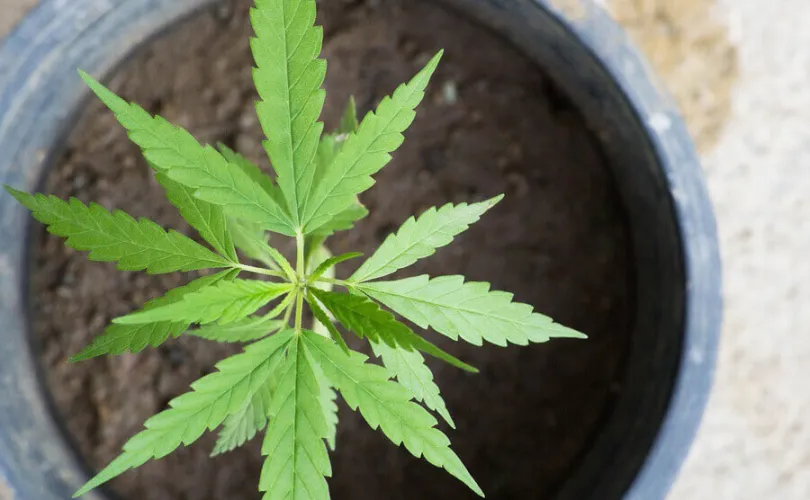
The Impact of Water Quality on Hydroponic Cannabis – Managing Minerals and Chloramines
Introduction
As the cannabis cultivation industry continues to expand, hydroponic growing systems have emerged as a leading technique due to their efficiency and control. These systems offer precise management of nutrients, environmental influences, and plant health, benefiting both professional growers and hobbyists. However, one critical—and often underestimated—factor in hydroponic cannabis cultivation is water quality.
Unlike soil-based cultivation, where soil may act as a buffer against chemical imbalances, hydroponics depends entirely on water for nutrient transport and plant hydration. Therefore, impure or unbalanced water can severely impact growth, nutrient uptake, and final crop quality.
Two major water quality concerns in hydroponic systems are the presence of dissolved minerals and chloramines. Minerals like calcium and magnesium, while essential, must be finely balanced. Overaccumulation may result in clogged drip lines, altered pH levels, and potential nutrient lockout. Even more problematic are chloramines—a combination of chlorine and ammonia used in municipal water to disinfect. Unlike chlorine, chloramines do not dissipate naturally and can linger in the water for extended periods. They are toxic to plant roots and kill beneficial microbes in hydroponic nutrient solutions, especially in systems using organic inputs.
Neglecting these factors can damage plant health, reduce yield, and compromise the plant’s chemical profile, including cannabinoids like THC and CBD and terpenes needed for medicinal efficacy. In today’s quality-driven cannabis market, proper water management is not optional—it is foundational.
In this article, we’ll delve into how minerals and chloramines affect hydroponic cannabis systems and provide guidelines, research insights, and best practices to help growers stay ahead.
Professional and Medical Studies on Water Quality in Cannabis Hydroponics
Current research demonstrates that water composition plays a crucial role not just in plant size but also in its cannabinoid content, terpene profiles, and overall health.
A 2020 study in the journal Frontiers in Plant Science explored how variations in nutrients, water hardness, and pH affect cannabinoid synthesis in medicinal cannabis. Results showed that unbalanced levels of calcium, magnesium, potassium, and phosphorus caused notable fluctuations in THC and CBD levels. Improper mineral levels were linked to blocked nutrient absorption and disrupted metabolic activity. Read the full study on Frontiers in Plant Science.
Another study in the Journal of Environmental Management highlighted the harms of chloramines. Even in small quantities (as low as 0.2 mg/L), chloramines inhibited beneficial bacterial colonization and root function in systems like NFT (Nutrient Film Technique). The researchers recommended treating water with activated carbon filters or chemical neutralizers before entering hydroponic setups. Read the full article on ScienceDirect.
Professional organizations such as the American Society for Horticultural Science (ASHS) emphasize measuring Total Dissolved Solids (TDS) and Electrical Conductivity (EC) regularly as part of standard water management. High levels of sodium, iron, or manganese can degrade water quality, damage irrigation equipment, and compromise nutrient availability.
To eliminate chloramines, many growers install reverse osmosis (RO) systems. These systems can remove nearly all contaminants, including dissolved solids and chemical residues. However, they may also remove beneficial micronutrients, necessitating rebalancing afterward.
An alternative is using catalytic activated carbon filters, which effectively neutralize chloramines while preserving beneficial minerals like calcium and magnesium. These filters are ideal for growers seeking a balance between purification and nutrient retention.
Although there are currently no clinical studies showing a direct correlation between water contaminants and patient outcomes in medical cannabis, it is understood that terpene expression and cannabinoid profiles are sensitive to cultivation variables. Contaminated water could potentially reduce therapeutic efficacy, especially in strains tailored for treating conditions such as anxiety, pain, or inflammation.
Best Practices for Growers
To achieve high-quality, consistent yields in hydroponic cannabis systems, growers must:
– Test source water for TDS, pH, and chloramine levels regularly
– Invest in RO filters or catalytic carbon systems as needed
– Monitor and adjust macro and micronutrient levels after filtration
– Replace or recharge filters according to manufacturer guidelines
– Document any changes in water composition alongside plant health metrics to refine protocols
With rigorous management, the water in your hydroponic setup can become a precise, productive tool—instead of a hidden liability.
Conclusion
Water is the foundation of hydroponic cannabis cultivation. By proactively managing the levels of dissolved minerals and eliminating harmful chloramines, growers can safeguard root health, optimize nutrient uptake, and amplify the plant’s chemical expression. Ultimately, water quality shapes both yield size and medicinal efficacy. In hydroponics, there are no small variables—attention to detail is the cornerstone of consistent, high-potency cannabis production.
Concise Summary
Water quality is a critical factor in successful hydroponic cannabis cultivation. Issues like unbalanced dissolved minerals and residual chloramines can disrupt nutrient absorption, harm root systems, and degrade cannabinoid and terpene production. Scientific studies recommend filtration methods such as reverse osmosis or catalytic carbon systems to manage these threats. For best results, growers should regularly test water and adjust nutrient levels post-filtration. By mastering water chemistry, cultivators can achieve healthier plants, better yields, and higher-quality medicinal cannabis.
References
– Frontiers in Plant Science: Cannabis sativa Growing Parameters and Cannabinoid Accumulation
– ScienceDirect – Journal of Environmental Management: Disinfection Byproducts in Hydroponic Systems
– American Society for Horticultural Science (ASHS): Water Quality Management in Horticultural Crops
– Maximum Yield – The Hidden Dangers of Chloramines in Hydroponics