Post-Harvest Freeze-Drying (Lyophilization) – Preserving Cannabinoid and Terpene Profiles
Introduction
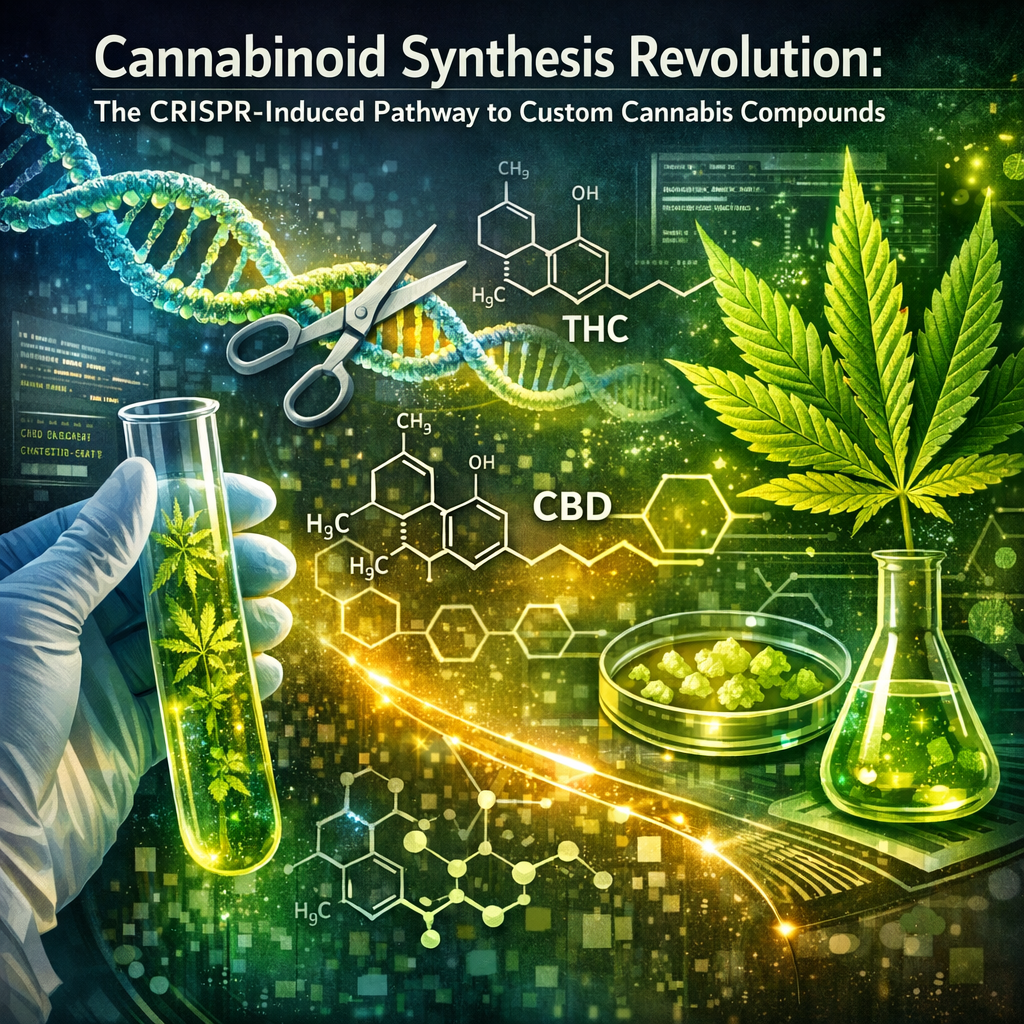
The cannabis industry continues to evolve with scientific precision and innovation, especially when it comes to post-harvest processes. One of the most revolutionary techniques gaining momentum among cultivation experts and connoisseurs alike is freeze-drying, formally known as lyophilization. While traditionally used in pharmaceutical, food, and botanical industries, freeze-drying has found a new purpose in cannabis preservation—maintaining the potent cannabinoid and terpene profiles of cultivated flower longer than conventional curing and drying methods.
Traditional drying processes often expose harvested cannabis to heat and oxygen over extended periods. This degrades sensitive compounds—specifically terpenes and cannabinoids. Terpenes, responsible for aroma, flavor, and much of the entourage effect, are highly volatile and can deteriorate at low temperatures. Similarly, cannabinoids like THC and CBD may oxidize or decarboxylate prematurely. These compounds are essential for therapeutic, sensory, and psychoactive effects, meaning their loss compromises product quality.
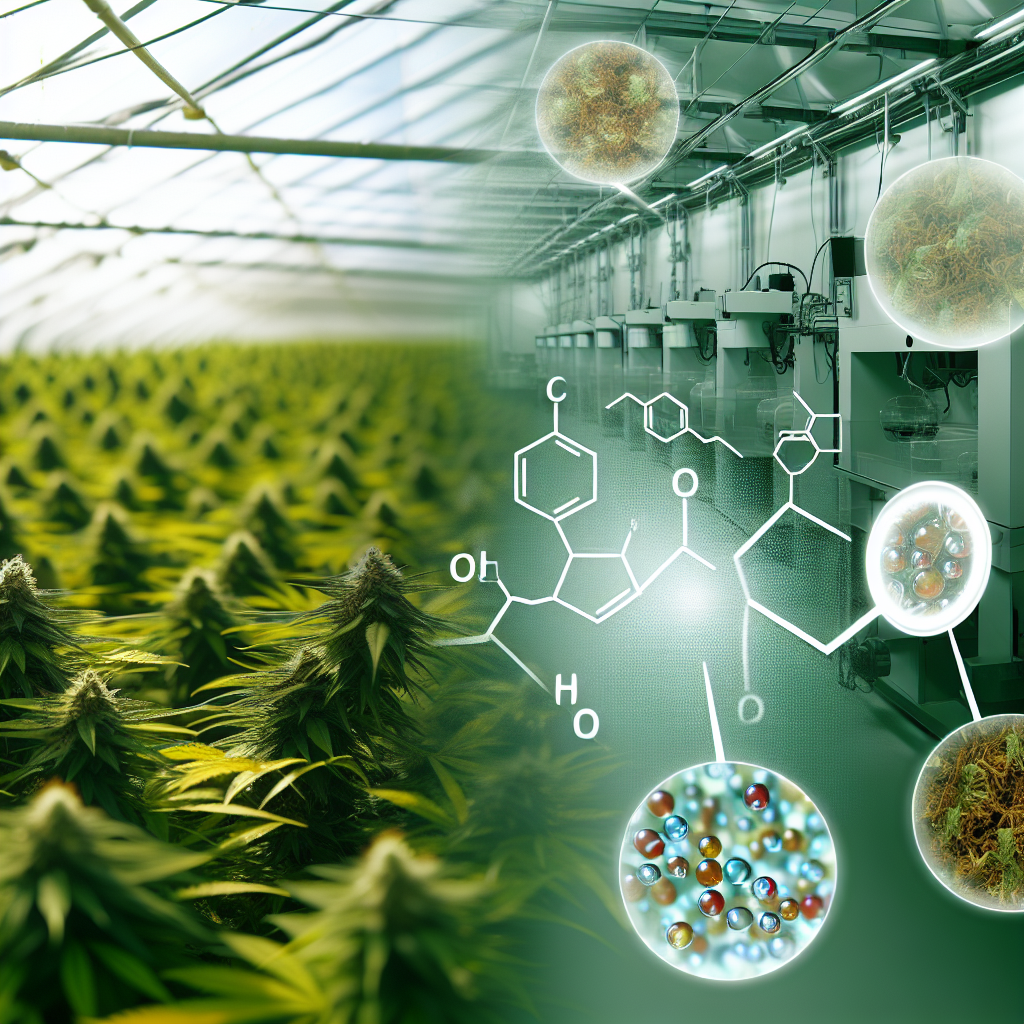
Freeze-drying circumvents these issues through a low-temperature dehydration process that removes water via sublimation. This technique involves freezing the cannabis, then applying a vacuum to change frozen water directly into vapor. By skipping the liquid phase, the plant’s structure is preserved, helping maintain resin gland integrity and protect chemical compounds. The method also prolongs shelf life and significantly reduces microbial risks like mold and bacteria.
For both consumers and professionals, the benefits are compelling. Freeze-dried cannabis offers more consistent therapeutic effects, better sensory characteristics, and higher potency retention. This is particularly critical for medical cannabis patients who rely on dosage precision. As demand for pure, potent, and reliable cannabis grows, lyophilization is emerging as a preferred post-harvest solution for top-tier cultivators and extractors.
In this guide, we’ll explore the science behind freeze-drying cannabis, examine clinical and industrial research supporting its value, and explain how it’s redefining cannabis preservation standards.
Features and Supporting Studies
Freeze-drying isn’t simply a new drying method—it’s a scientifically validated process that has long been used to maintain biological and chemical integrity. In the emerging cannabis space, this preservation capability is key.
A 2021 study published in Molecules, a peer-reviewed journal, compared various cannabis drying techniques. The findings revealed that freeze-drying retained up to 95% of terpene content, while traditional hang-drying preserved only about 50%. This is particularly important in preserving volatile monoterpenes, which contribute citrus, floral, and piney aromas—traits found in popular strains like Lemon Haze and Jack Herer. These compounds are essential not only for flavor and aroma but also for their therapeutic synergy in the entourage effect.
Another key study featured in the Journal of Natural Products demonstrated that cannabinoids, particularly THC-A and CBD-A, remain stable in their acidic forms when freeze-dried shortly after harvest. This retention enables the production of products geared toward raw cannabis consumption, such as juicing and full-spectrum extracts. Acidic cannabinoids are gaining recognition for their potent anti-inflammatory and neuroprotective effects, while avoiding the psychoactive effects associated with decarboxylated THC.
From a safety perspective, lyophilization reduces microbial risk due to its rapid moisture removal. According to a 2020 white paper published in the Cannabis Science and Technology Journal, freeze-dried samples exhibited 73% lower mold contamination over a 60-day window compared to traditionally dried counterparts. Mold and bacteria thrive in moist conditions, so the arid nature of freeze-dried flower inherently discourages contamination.
Increasingly, commercial cultivators—particularly those in Canada and California—are integrating freeze-drying to meet strict pharmaceutical-grade cannabis regulatory standards. The rapidity of the process—often reducing curing times from weeks to under 24 hours—allows facilities to better manage supply chains, reduce genetic degradation, and improve trichome conservation. These capabilities directly translate into higher quality and regulatory compliance for medical marijuana providers.
Moreover, freeze-dried cannabis provides ideal input material for premium extraction products like live resin and live rosin. Preserving native terpene and cannabinoid structures allows extractors to mimic the original plant profile more accurately. This enhances the flavor, experience, and efficacy of the result—factors that consumers and medicinal users highly value. The clean and fresh composition also enables scalability and reduces cost over time compared to deep-freeze logistics used in fresh-frozen methods.
Conclusion
Post-harvest freeze-drying is revolutionizing the art and science of cannabis curing. Its unparalleled preservation of cannabinoids and terpenes, rapid processing capability, and enhanced microbial safety make it a game-changer across the industry. For medical users, consistency in therapeutic compounds is not a luxury—it’s a necessity. And for commercial producers, the ability to deliver high-quality, shelf-stable, and extract-ready cannabis in less time meets both market demand and compliance expectations.
As research continues and technology becomes more widespread, lyophilization is poised to become the gold standard of cannabis preservation—offering a pragmatic balance between science, quality, and scalability.
References
– Molecules: Evaluation of Drying Methods in Cannabis
– PubMed: Cannabinoid Chemistry and Stability
– Cannabis Science and Technology Journal
– Frontiers in Plant Science
– Journal of Natural Products
Concise Summary
Freeze-drying, or lyophilization, is revolutionizing cannabis preservation by protecting vital cannabinoids and terpenes that degrade in traditional drying methods. Through a low-temperature vacuum process, cannabis retains its potency, flavor, and aroma, while minimizing microbial contamination. Studies confirm up to 95% terpene retention and enhanced cannabinoid stability, especially for raw acidic forms like THC-A and CBD-A. This method also cuts curing time, improves shelf life, and provides superior starting material for extracts like live rosin. As demand increases for cleaner, more therapeutic products, freeze-drying is rapidly becoming the gold standard in post-harvest cannabis processing.