Phenomic Selection in Cannabis Breeding: Using Hyperspectral Imaging to Predict Chemotype
Introduction
The cannabis industry is evolving rapidly thanks to breakthroughs in biotechnology, transforming how breeders approach crop development. Traditional breeding methods—based on visual traits, aroma, or anecdotal data—are increasingly being replaced by data-driven solutions that deliver greater precision, consistency, and efficiency.
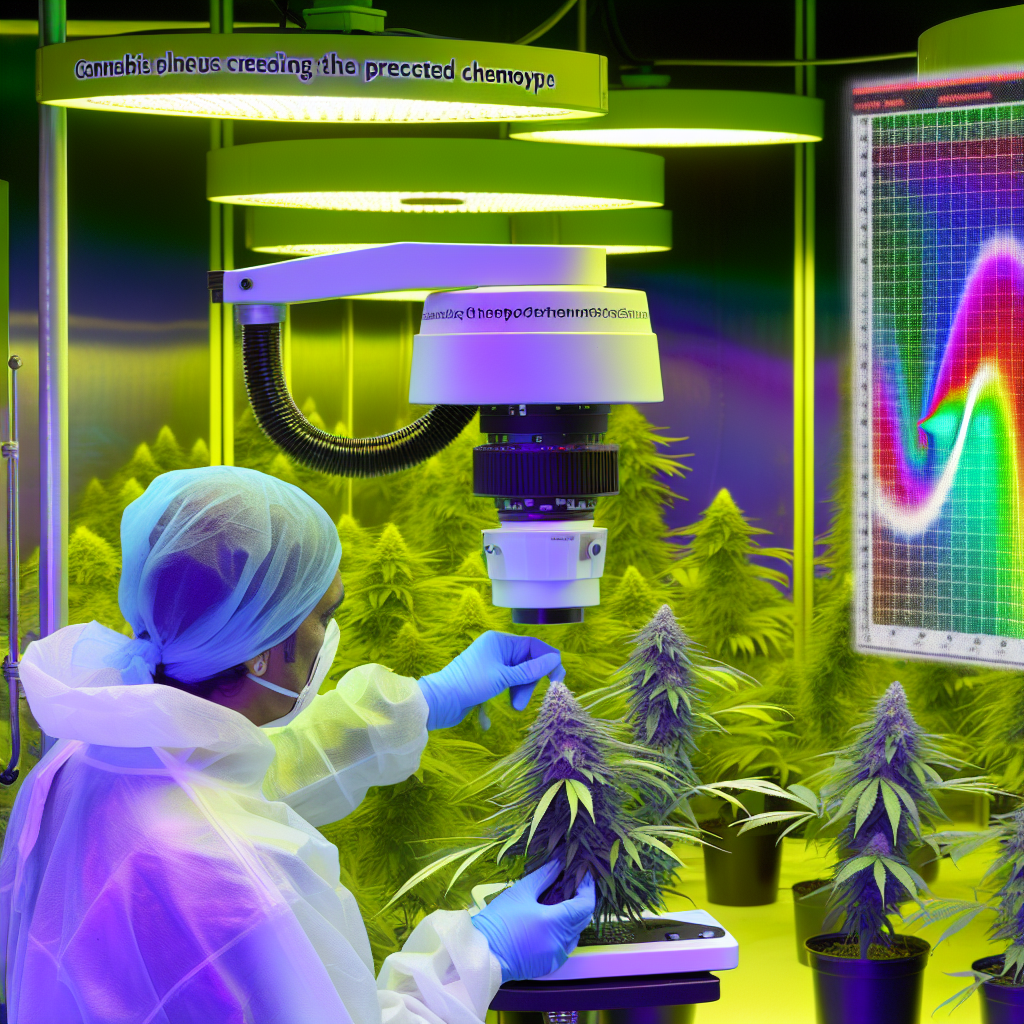
Among the most promising innovations is phenomic selection powered by hyperspectral imaging. This advanced, non-destructive technology enables real-time prediction of a cannabis plant’s chemotype, or the unique composition of cannabinoids, terpenes, and flavonoids. Hyperspectral imaging operates by capturing hundreds of different light wavelengths—both visible and invisible—to detect subtle differences in plant structure and biochemistry. Every chemical compound reflects and absorbs light uniquely, allowing this spectral data to serve as a powerful indicator of the plant’s internal chemistry.
Machine learning algorithms are then employed to interpret large volumes of spectral data. These algorithms are trained using previously lab-tested plants, creating models that can accurately forecast cannabinoid and terpene profiles in untested specimens. This predictive capability helps breeders identify desirable plants well before harvest, saving time and resources.
By integrating hyperspectral technology, cannabis breeders gain a major advantage: they can accelerate the selection of premium genotypes tailored to specific medical or recreational markets. As legal cannabis becomes more regulated and consumer demand for consistent, effective products grows, tools like hyperspectral imaging are poised to redefine precision cannabis cultivation.
Features and Supporting Studies
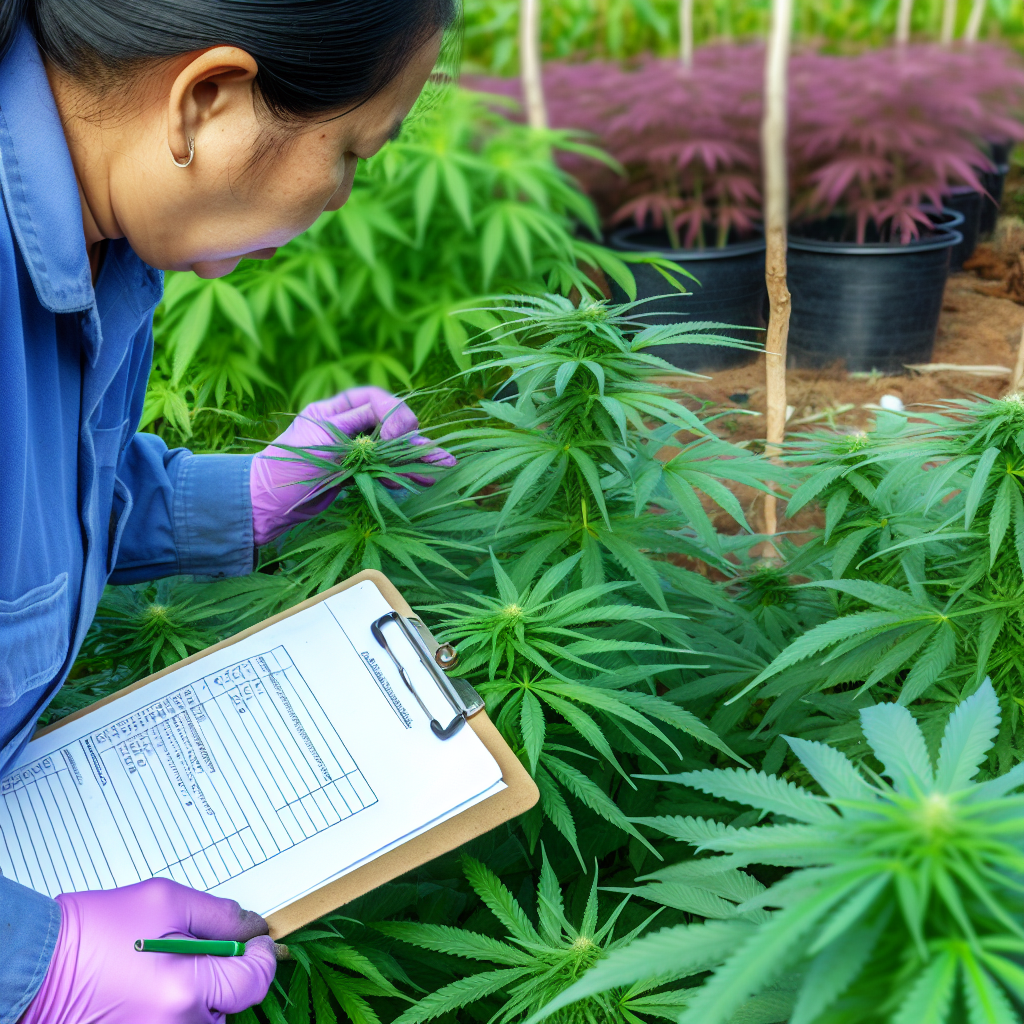
Phenomic selection through hyperspectral imaging draws upon the established practice of high-throughput phenotyping (HTP), a methodology used extensively in agriculture and livestock breeding. HTP enables researchers to evaluate large numbers of plant or animal phenotypes quickly by using automated tools and imaging systems. In major food crops like wheat, maize, and soybeans, HTP has been used successfully to identify drought resistance, yield potential, and nutrient quality.
Translating this into the cannabis space, researchers now focus the technology on predicting secondary metabolite production—the primary determinant of cannabis chemotypes.
One groundbreaking study, published in Plant Methods (2021), demonstrated the power of hyperspectral imaging for cannabis traits. Conducted by the University of Guelph, the study used imaging on plants at different growth stages and successfully predicted THC and CBD content with over 80% accuracy. This showcased how cultivators could leverage this tool to select optimal plants before the costly and time-consuming chromatography-based lab testing.
Another significant contribution comes from Phylos Bioscience, a firm specializing in cannabis genetics. Their platform combines hyperspectral data with genome sequencing to link chemical traits with specific genetic markers. This integration allows for large-scale, high-accuracy selection, enabling growers to breed new strains optimized for target cannabinoid ratios or unique terpene signatures.
More importantly, this approach is invaluable for breeding cultivars rich in minor cannabinoids like CBG, THCV, and CBC—compounds that are gaining attention for their therapeutic values. For instance:
– CBG (Cannabigerol) shows potential for anti-inflammatory, antibacterial, and neuroprotective effects.
– THCV (Tetrahydrocannabivarin) is being studied for appetite-suppressing and blood sugar regulation capabilities.
– CBC (Cannabichromene) may offer mood-enhancing and antiviral properties.
Through hyperspectral imaging, breeders can flag plants expressing high levels of these rare cannabinoids without invasive testing, streamlining development and reducing operational costs.
In a related study from Frontiers in Plant Science (2020), researchers matched hyperspectral data with terpene profiles including myrcene, limonene, and beta-caryophyllene. These terpenes significantly influence the therapeutic effects, flavor, and aroma of cannabis. An ability to non-destructively detect and quantify these compounds supports more refined consumer product development based on effect-driven strain categorization.
Ongoing advances in machine learning will further enhance the predictive power of hyperspectral imaging. With deep learning models trained on thousands of spectral samples linked to chemical profiles, breeders could eventually forecast virtually any trait—such as resistance to disease, yield potential, or flower maturity—just by scanning the plant.
Additionally, unlike traditional testing which is slow and resource-intensive, hyperspectral imaging offers unmatched scale, speed, and cost-efficiency. This enables breeders and commercial growers to analyze thousands of plants rapidly, transforming the economics of cannabis production.
Conclusion
Phenomic selection through hyperspectral imaging is transforming how elite cannabis cultivars are developed. This innovative, non-invasive approach allows growers to rapidly and accurately predict a plant’s chemotype using light-based imaging and data science. The result is faster breeding cycles, lower testing costs, and more consistent product lines tailored to specific therapeutic or recreational goals.
As regulatory scrutiny increases and the demand for consistent chemical profiles grows, tools like hyperspectral imaging offer the cannabis industry a path to precision breeding and compliance-ready cultivation. By combining genetic understanding with real-time phenotyping, cultivators can breed smarter, faster, and with purpose—ushering in a new data-driven era of cannabis innovation.
References
– Cannabis Genetic Mapping and Breeding Tools – Phylos Bioscience
– Hyperspectral Phenotyping Techniques in Plants – Agronomy (2020)
Concise Summary
Phenomic selection with hyperspectral imaging enables cannabis breeders to non-invasively predict plant chemotypes using light spectrum analysis and machine learning. This technique accelerates the identification of high-value strains by linking spectral signatures with cannabinoid and terpene profiles. Applied early in the growth cycle, it significantly reduces costs, enhances consistency, and supports the development of targeted medical strains. With successful implementation in crops like wheat and soy, hyperspectral imaging is now poised to revolutionize cannabis, offering precise, scalable insights into plant chemistry and traits, pushing the industry toward data-powered, precision-driven breeding strategies for both medical and recreational markets.