The Art and Science of Cannabis Hashish Aging: Chemical Transformations and Sensory Development Over Time
Introduction
Hashish—a concentrated form of cannabis resin—has long held a place of reverence in traditional cultures, from the high mountain ranges of Morocco to the Himalayan valleys of Nepal and northern India. While hashish is most commonly recognized for its potency and rich terpene profile, there exists a lesser-known, yet equally fascinating aspect of its appreciation: the aging process. Much like fine wine, cheese, or whiskey, artisanal hashish undergoes complex chemical and sensory transformations over time. These shifts can enhance its therapeutic effects, improve its smoothness on the inhale, and deepen its aroma and flavor profile—all depending on its storage conditions, origin strain, and methods of production.
In modern cannabis circles, aged hashish is emerging as a niche connoisseur product, similar to vintage wine or aged tobacco. Aging not only influences flavor and aroma but also alters the psychoactive and medicinal characteristics due to biochemical reactions. For instance, compounds like THC degrade into other cannabinoids like CBN, leading to more sedative and relaxing experiences. Meanwhile, terpenes oxidize, mellowing the profile into notes reminiscent of aged wood or leather.
These effects are more than anecdotal speculation. Today’s sophisticated analytical chemistry tools offer a window into how cannabis-derived compounds evolve over time under controlled or natural environmental influences—including temperature, humidity, light exposure, and time. Studying these changes informs not only aficionados seeking deeper experiences, but also medical professionals and cannabis producers aiming to optimize shelf life, therapeutic value, and product innovation.
This article explores the nuanced art of aging hashish, diving deep into the scientific transformations that occur during this process—along with their implications on aroma, texture, therapeutic efficacy, and the psychoactive experience.
Scientific Features and Medical Insight
Cannabis aging, particularly in hashish, involves both biochemical degradation and refinement. The primary actors in these transformations are cannabinoids and terpenes.
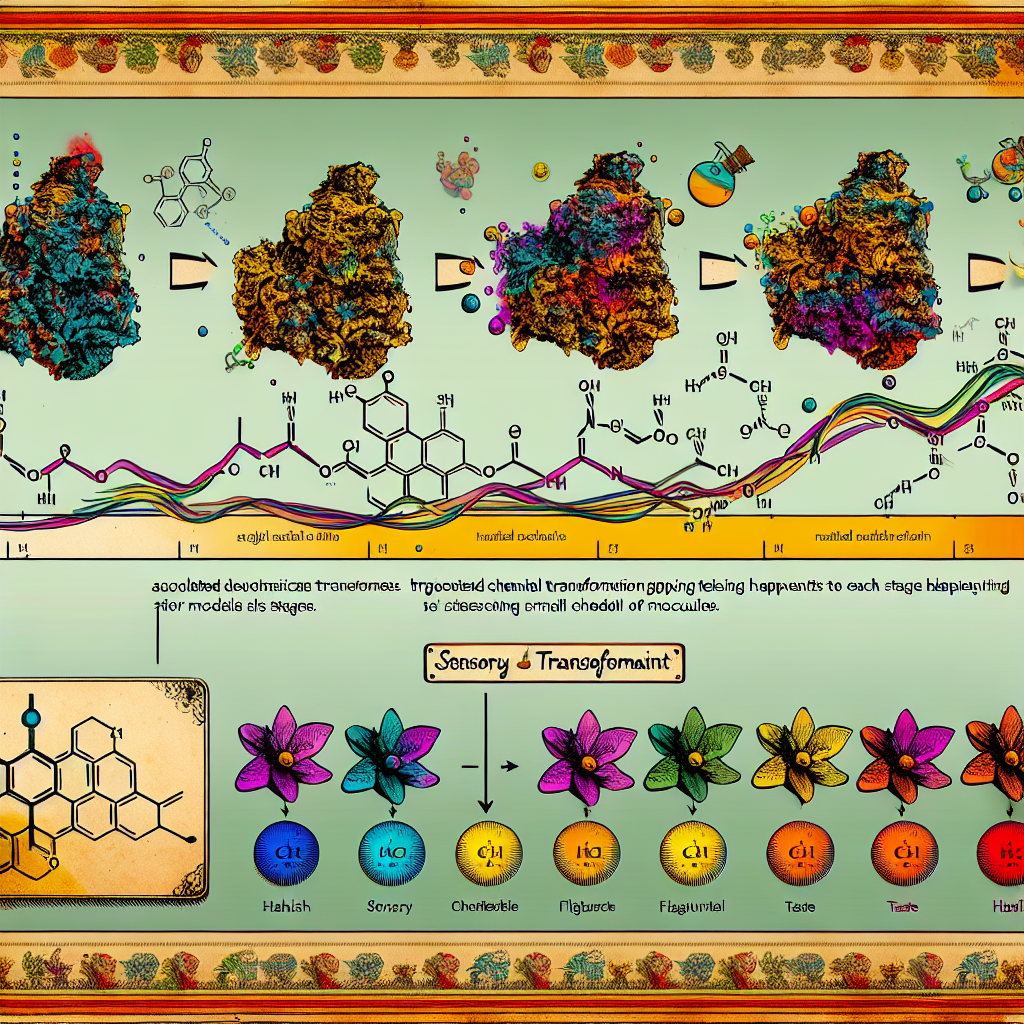
One of the most notable changes during hashish aging is the gradual decarboxylation of tetrahydrocannabinolic acid (THCA) into THC, followed by oxidative degradation of THC into cannabinol (CBN). This chemical evolution is influenced by external factors like heat, light, and oxygen—but it can also occur subtly over time in cool, dark conditions.
A 2020 study in the journal [Molecules](https://www.mdpi.com/1420-3049/25/14/3207) indicated that up to 30% of THC can convert into CBN over a year when hashish is stored under certain conditions. This breakdown results in a more sedative effect, making aged hashish potentially more suitable for ailments like anxiety and insomnia. CBN is widely studied today for its calming properties and potential role in sleep regulation.
Moreover, terpenes—the volatile compounds responsible for cannabis’s aromatic profile—degrade and oxidize into new chemical forms. These secondary compounds may still contribute to the overall physiological effect, often altering the high and therapeutic footprint of the substance. A 2019 paper in [Frontiers in Pharmacology](https://www.frontiersin.org/articles/10.3389/fpls.2019.00430) explored how terpenes like myrcene and linalool—known for sedative and anxiolytic effects—may break down into new compounds that still interact with cannabinoids synergistically (the “entourage effect”).
Changes in physical composition also occur. Over time, lipids and waxes in the resin oxidize and polymerize, converting fresh sticky hashish into a drier, crumblier texture often considered superior for combustion and flavor sophistication. Connoisseurs view this as a “curing process,” much like aging cigars or cheese.
Professionals within cannabis extraction are now beginning to see aging as a deliberate, controlled process. Techniques include storing hashish in environments akin to wine cellars—maintaining ideal temperature (55–65°F) and relative humidity (58–63%)—to guide its maturation scientifically. This shift aligns with growing consumer demand for high-end, aged cannabis products.
Indeed, certain premium dispensaries, particularly in states like California, have started labeling hashish with distinct “vintage” classifications, incorporating ideas like terroir (geography-based character) and aging notes (aroma transitions), further bridging the gap between cannabis and other artisanal goods.
The psychoactive profile also transforms. Aged hashish tends to offer a more calming, body-oriented high favored by medical users seeking relief from chronic pain, anxiety, or insomnia. This makes it a targeted product for those wanting less cerebral stimulation and more holistic, physical relaxation.
However, it’s worth noting that this transformation could make aged hashish less desirable for those seeking an uplifting or energetic high. Thus, understanding these shifts allows consumers and producers to fine-tune products according to user needs and preferences, whether for recreation or wellness.
Conclusion
Aging hashish is equal parts tradition and science. Once a practice tied solely to cultural rituals and long-term storage, it is now being reshaped by modern analytical tools and consumer expectations into a deliberate practice of premium cannabis refinement. Controlled aging unlocks not only enhanced aroma and flavor, but measurable shifts in cannabinoid profiles, terpene composition, and therapeutic responses.
As the cannabis industry matures, so too does our understanding of the value in aging resin-based products like hashish. The future holds promise for new product lines, including vintage hashish collections, customized aging processes for desired effects, and increased integration with holistic health regimens. Aging isn’t just for gourmets anymore—it’s becoming a scientific pathway to optimized cannabis formulations for both medical and recreational use.
Concise Summary
Aged hashish, like fine wine, undergoes chemical and sensory transformations over time, enhancing its aroma, smoothness, and therapeutic effects. THC converts into the sedative cannabinoid CBN, while terpenes oxidize, altering aroma and interaction with cannabinoids. Texture also changes, contributing to a more refined inhalation experience. Controlled aging is gaining traction in premium cannabis markets, offering tailored experiences for connoisseurs and medical users alike. With modern science validating the aging process, it’s becoming a deliberate craft and commercial asset in the evolving cannabis industry.
References
– Moraes, M. et al. (2020). [Cannabinoids in health and disease: Pharmacological and therapeutic uses.](https://www.mdpi.com/1420-3049/25/14/3207) Molecules.
– Booth, J.K. & Bohlmann, J. (2019). [Terpenes in Cannabis sativa—from plant genome to humans.](https://www.frontiersin.org/articles/10.3389/fpls.2019.00430) Frontiers in Plant Science.
– Hazekamp, A. (2018). [The trouble with CBD oil.](https://www.karger.com/Article/Fulltext/481270) Medical Cannabis and Cannabinoids, 1(1), 65–72.
– Gieringer, D. (2004). [Cannabis Vaporization: A Promising Strategy for Smoke Harm Reduction.](https://www.tandfonline.com/doi/abs/10.1300/J175v04n01_07) Journal of Cannabis Therapeutics, 4(1), 153–170.