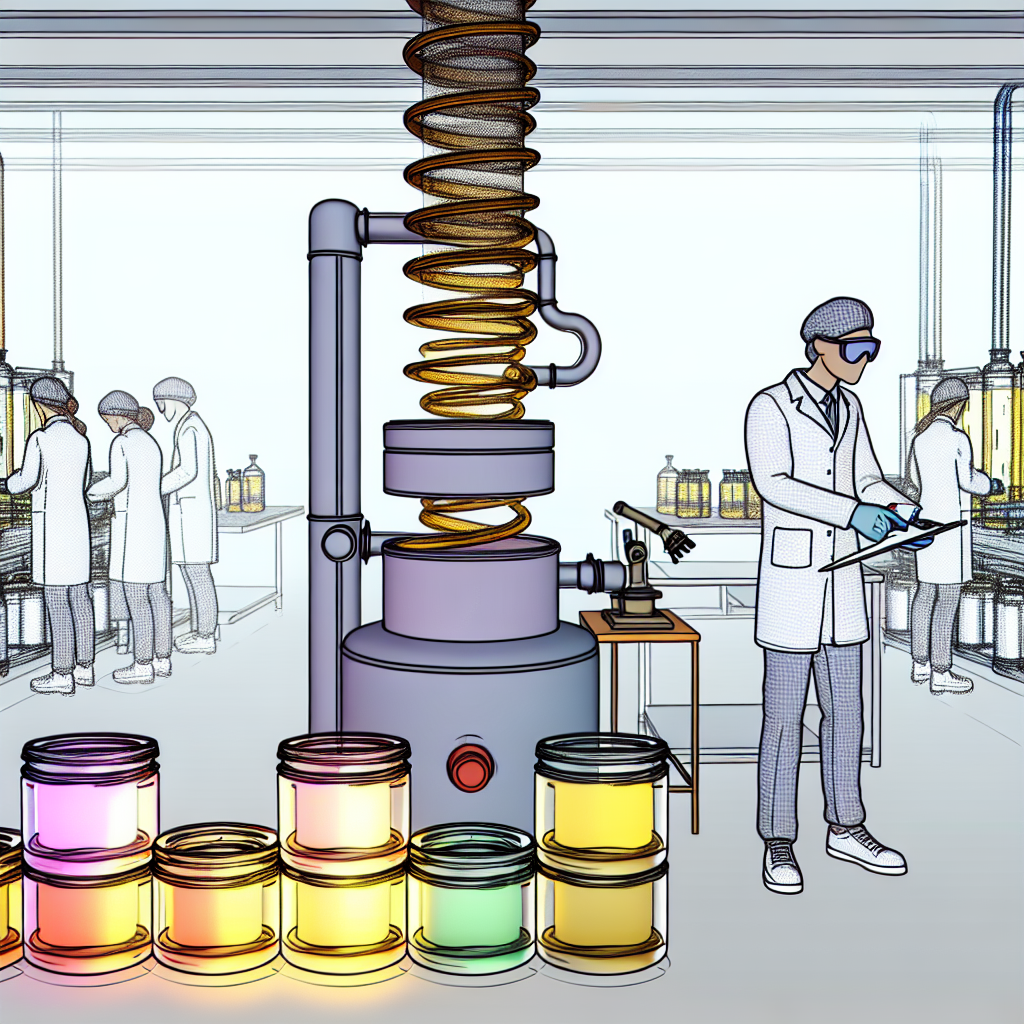
Hydrodynamic Cavitation Extraction: A Novel, Solvent-Free Method for Full-Spectrum Cannabis Oils
Introduction
In the rapidly evolving landscape of cannabis extraction technologies, one innovative technique has emerged as both groundbreaking and eco-friendly: Hydrodynamic Cavitation Extraction (HCE). This cutting-edge approach offers an efficient, solventless alternative to traditional methods such as CO₂ and hydrocarbon extraction, which often compromise product integrity or pose environmental and safety concerns.
Unlike methods relying on heat and solvents—which can degrade plant material or leave behind chemically active residues—HCE utilizes controlled microbubble formation and collapse within a liquid medium to break open plant cells. This generates intense, localized energy shockwaves that release a wide spectrum of compounds from cannabis biomass with minimal heat and no chemicals.
A key appeal of the hydrodynamic cavitation process is the preservation of the full phytochemical profile of the cannabis plant. The resulting oil is richer in cannabinoids, terpenes, and flavonoids, offering users a robust entourage-effect experience and making it ideal for medical cannabis formulations and premium extracts. Because the process uses only water and mechanical agitation, HCE is aligned with green chemistry principles, appealing to environmentally conscious producers.
As cannabis consumers become more discerning about purity and therapeutic value, and as the industry continues to scale under tighter regulatory scrutiny, HCE emerges as a forward-thinking technology that delivers high-quality results while reducing ecological and financial costs.
Features and Scientific Support
A growing body of scientific literature supports the viability of hydrodynamic cavitation for plant compound extraction. A 2021 study published in the journal Ultrasonics Sonochemistry confirms that cavitation significantly enhances yields and efficiency while preserving delicate bioactive substances such as polyphenols and terpenes. The study emphasizes the generation of micro-turbulent energy currents that disrupt plant cellular structures and facilitate efficient, solvent-free compound release ([read study](https://www.sciencedirect.com/science/article/abs/pii/S1350417721000816)).
The advantage of this system lies in its operational temperature range—typically between 20°C to 40°C (68°F to 104°F)—which is critical for protecting volatile compounds from heat-induced degradation. Traditional extraction methods like supercritical CO₂ often reach temperatures and pressures that may compromise the therapeutic properties of rare cannabinoids and terpenes.
HCE enables superior compound preservation, including minor cannabinoids such as THCV and CBC—molecules increasingly recognized for their therapeutic potential in areas like appetite suppression, anti-inflammatory properties, and neurological health. These compounds, alongside well-known components like THC and CBD, contribute to the integral “entourage effect,” where the synergy between compounds amplifies clinical effects.
Cannabis industry pioneers like Impel Biosciences and Cavitation Technologies are leading the development and commercialization of HCE platforms. Their internal reports and white papers have shown that HCE can deliver yields comparable to CO₂ extraction while minimizing steps like winterization and post-distillation. Less processing means shorter production cycles, reduced energy usage, and improved terpene retention.
Environmental consciousness is another major advantage. With no use of ethanol or butane, HCE avoids both explosion hazards and residual solvent contamination. It also consumes significantly less energy and water compared to legacy solvent-based equipment, making it particularly attractive for sustainable cannabis extraction workflows.
Applications in the Cannabis Industry
The benefits of HCE open doors to innovation across various sectors of the cannabis market:
– Medical cannabis manufacturers can use HCE to produce purer, full-spectrum formulations tailored to specific therapeutic needs.
– Craft extractors and boutique brands gain greater control over terpene profiles, enabling unique product differentiation.
– Regulatory-compliant producers can more easily meet safety and solvent-free certification standards with simplified processing workflows.
– R&D teams studying rare cannabinoid applications can use HCE to preserve delicate compounds often lost in harsher extraction environments.
These capabilities position hydrodynamic cavitation extraction not merely as an alternative, but as a platform for advancing next-generation cannabis product development.
Conclusion
Hydrodynamic Cavitation Extraction represents a technological leap forward in the quest for pure, potent, and environmentally responsible cannabis oils. By removing chemical solvents from the equation and maintaining the integrity of sensitive plant compounds, HCE delivers a cleaner, richer extract that aligns with consumer expectations and regulatory demands.
As the cannabis industry evolves, incorporating sustainable and science-driven practices like HCE will be critical for standing out in a crowded, maturing market. Extraction professionals, R&D labs, and product developers now have the tools to harness the entire cannabis phytocomplex, pushing quality and efficacy to new heights.
Concise Summary
Hydrodynamic Cavitation Extraction (HCE) is an innovative, solvent-free method that uses controlled microbubble energy to extract full-spectrum cannabis oils. Operating at low temperatures, HCE preserves cannabinoids, terpenoids, and flavonoids, delivering superior quality and entourage-effect-rich extracts. Unlike traditional methods, it requires no solvents, minimizes post-processing, and aligns with green chemistry principles. Supported by growing scientific evidence, HCE offers a cleaner, safer alternative for medical and recreational markets. With its sustainability, efficiency, and ability to retain minor compounds, HCE sets a new standard for cannabis extraction technologies.
References
1. [Chemat, F. et al. (2011). Applications of Ultrasound in Food Technology: Processing, Preservation, and Extraction. Ultrasonics Sonochemistry.](https://www.sciencedirect.com/science/article/abs/pii/S1350417710001875)
2. [Toegel, R., Nivel, E. & Škala, D. (2021). Hydrodynamic Cavitation as a Promising Technology for Plant Bioproduct Extraction. Ultrasonics Sonochemistry.](https://www.sciencedirect.com/science/article/abs/pii/S1350417721000816)
3. [Impel Biosciences – Technology Overview](https://www.impelbiosciences.com/technology)
4. [Russo, E.B. (2011). Taming THC: Potential Cannabis Synergy and Phytocannabinoid–Terpenoid Entourage Effects. British Journal of Pharmacology.](https://bpspubs.onlinelibrary.wiley.com/doi/full/10.1111/j.1476-5381.2011.01238.x)