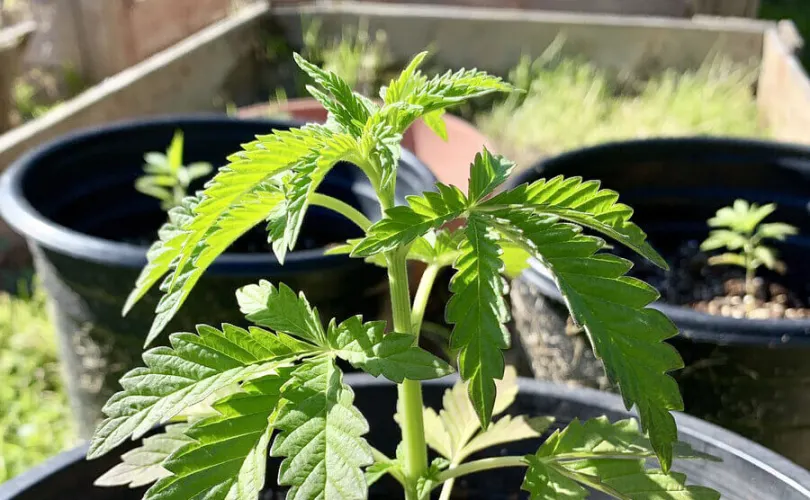
The Concept of “Cannabis Terroir”: A Multivariate Analysis of Soil Microbiome, Climate, and Chemotype
Topic Introduction:
The concept of ”terroir,” often linked with the wine industry, relates to how the environment’s unique physical and cultural features affect the qualities of a plant. Recently, this concept has transcended traditional viticulture, finding relevance in the burgeoning cannabis industry. Like wine, cannabis displays its terroir through a complex interplay of soil, climate, and cultivation techniques, ultimately influencing its chemotype—the profile of cannabinoids and terpenes present in the plant. Understanding cannabis terroir is crucial for consumers and professionals looking to optimize cultivation techniques, enhance product quality, and deepen appreciation for cannabis diversity.
Cannabis terroir is shaped by a multitude of factors. The soil microbiome, for instance, plays a pivotal role in determining the health and chemistry of cannabis plants. Soil organisms can influence nutrient availability, pathogen resistance, and even stress responses, which in turn affect plant growth and chemotype expression. Different soils host varied microbial communities; hence, cannabis grown in the rich, loamy soils of California’s Emerald Triangle may show distinct characteristics from plants cultivated in Colorado or Europe’s fertile grounds.
Climate also significantly contributes to cannabis terroir. Variables such as temperature, rainfall, humidity, and sunlight exposure dramatically affect the growth cycle and chemical composition of cannabis plants. Regions like the Mediterranean, with their characteristic warm, sun-drenched summers, offer distinct flavor profiles and potent chemotype expressions compared to cooler or more temperate climates. For professionals aiming to harness specific traits in cannabis strains, recognizing the influence of climate is paramount to achieving desired outcomes.
Cannabis chemotype—primarily the profile of cannabinoids like THC and CBD, and terpenes, the aromatic compounds—is the final output of a plant’s terroir. Terpenes not only contribute to the fragrance and taste but also interact synergistically with cannabinoids to develop the plant’s unique effects, a phenomenon known as the entourage effect. With consumer interest focusing increasingly on the experiential qualities of cannabis, understanding how to cultivate and market specific terroir-influenced chemotypes can offer a competitive edge.
In this exploration of cannabis terroir, we dive deeper into the symbiotic relationship between soil, climate, and chemotype, employing case studies and research to underscore the scientific rationale behind this burgeoning field.
Features:
Recent research into soil microbiomes reveals how vital these biological ecosystems are for cannabis cultivation. A study published in [Frontiers in Plant Science](https://www.frontiersin.org/articles/10.3389/fpls.2019.00296/full), highlights that microbial diversity within soil can enhance nutrient uptake and promote pathogen resistance. The interaction between the plant roots and soil microbes fosters a healthy rhizosphere, crucial for optimal plant growth and high-yield cannabinoid production. This insight is fueling a renewed focus among growers on regenerative farming practices that preserve and enhance soil health, thus augmenting the full expression of cannabis terroir.
Climate’s role in cannabis cultivation is underscored by research demonstrating how environmental conditions influence cannabis metabolome. A study in the [Journal of Agricultural and Food Chemistry](https://pubs.acs.org/doi/10.1021/acs.jafc.6b03779) found that significant variations in cannabinoid and terpene levels correlate with geographical climate differences. Regions with consistent sunlight and moderate humidity levels often yield cannabis with richer terpene profiles. These conditions enable the synthesis of stress-induced compounds, enhancing the distinctive flavor and aroma profiles favored by connoisseurs.
Lastly, understanding how cannabis terroir impacts chemotype has implications for tailoring cannabis products to specific therapeutic or recreational needs. A study by [Euphytica](https://link.springer.com/article/10.1007/s10681-018-2156-4) indicates that different environmental and soil conditions can shift chemotype expression, suggesting that precise control over terroir parameters could optimize cannabinoid profiles for specific uses. This capability holds promise for the medical cannabis industry to produce strains with optimized cannabinoid ratios for pain relief, anxiety reduction, or other therapeutic effects.
As more scientific studies delve into the multi-faceted impact of terroir on cannabis cultivation, industry professionals are better able to tweak agronomic practices, fostering innovation in strain development and ensuring consistent product quality.
Conclusion:
In leveraging the concept of terroir, the cannabis industry gains a powerful framework for enhancing the diversity and appeal of its products. By understanding the intricate relationships between soil, climate, and chemotype, growers can elevate the cultivation process from a mere agricultural endeavor to a craft that celebrates regional uniqueness. For consumers, this translates to a richer array of sensory and therapeutic experiences, while for professionals, it offers pathways to refine products and practices in alignment with environmental stewardship and scientific precision.
Concise Summary
The concept of “cannabis terroir” encompasses the unique influence of soil, climate, and cultivation on the quality and chemotype of cannabis plants. Factors such as soil microbiomes and climate variables significantly impact plant growth and chemical profiles. Understanding this interplay helps optimize cultivation techniques and enhance product quality, aligning with consumer preferences for specific cannabis experiences. The cannabis industry’s exploration of terroir allows for the development of cannabis products that celebrate regional uniqueness, improving the sensory and therapeutic experiences for consumers while promoting sustainable growing practices.