The Pharmacokinetic Synergy of Beta-Caryophyllene and Delta-8-THC: Enhancing Absorption and CB2 Activity
Introduction
In the ever-evolving landscape of cannabis science, the exploration into cannabinoids and terpenes is at the forefront of novel therapeutic applications. As consumers and medical professionals seek to optimize cannabis use, understanding the intricacies of how these compounds interact on a molecular level is becoming increasingly important. Two compounds currently drawing attention are beta-caryophyllene, a widely prevalent terpene, and delta-8-tetrahydrocannabinol (delta-8-THC), a psychotropic cannabinoid with growing popularity for its milder effects compared to its more famous cousin, delta-9-THC.
Beta-caryophyllene is unique among terpenes due to its ability to bind directly to cannabinoid receptors, particularly the CB2 receptor. This receptor, primarily found in peripheral tissues, is critically involved in modulating immune function and inflammation. Delta-8-THC, although less studied than delta-9-THC, shares some of its therapeutic potentials such as appetite stimulation and antiemetic properties but with lower incidence of anxiety and paranoia.
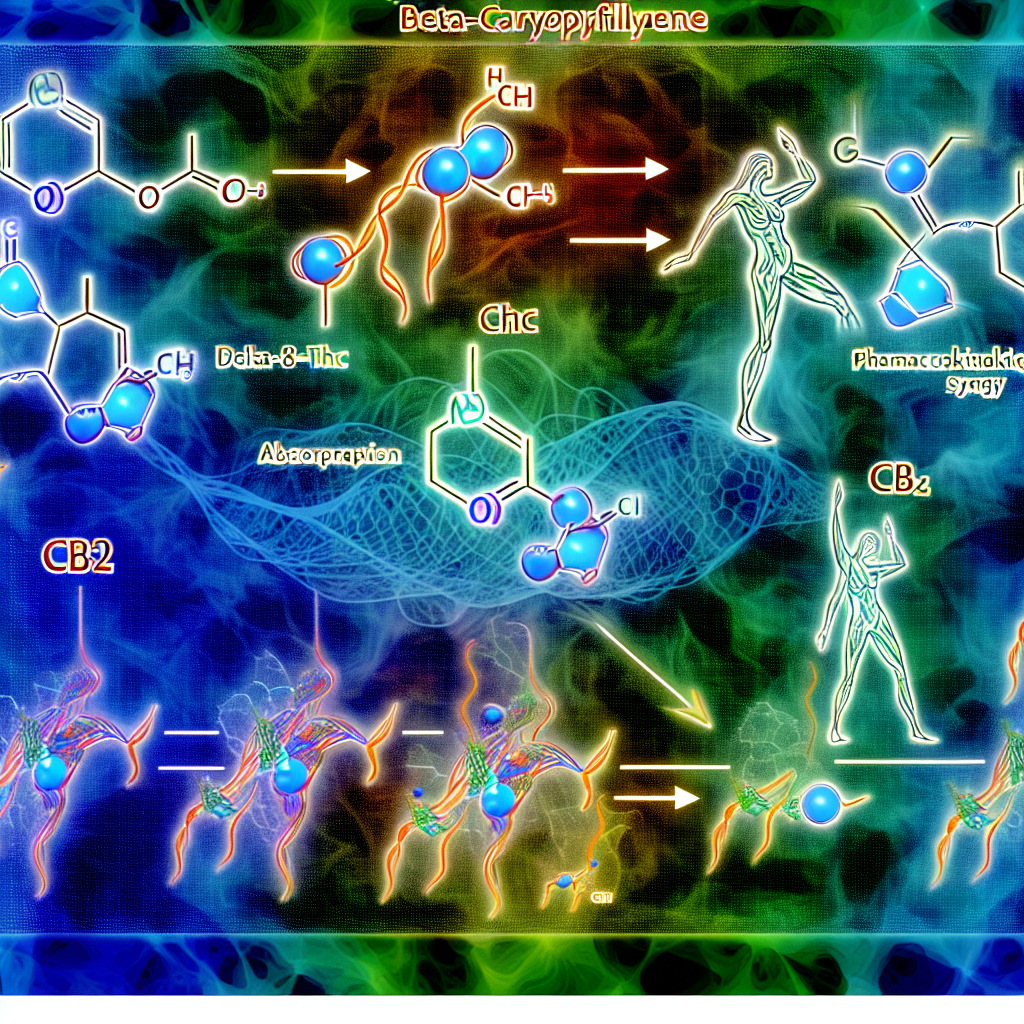
Recent pharmacokinetic research suggests a potential synergy between beta-caryophyllene and delta-8-THC, which may enhance their absorption and influence their activity at the CB2 receptor. Such synergy could amplify therapeutic benefits while minimizing psychoactive effects. This hypothesis, rooted in the entourage effect—the theory that various cannabis compounds work more effectively together than in isolation—sets the stage for tailored cannabis therapies aimed at specific disorders, improving both efficacy and user experience.
As these compounds become more prevalent in hemp-derived products, understanding their synergistic interactions could play a crucial role in developing enhanced formulations for medical use and consumer satisfaction. Here, we delve into the emerging research in this area, offering insights into how beta-caryophyllene and delta-8-THC can be combined in cannabis products to provide targeted relief while maximizing therapeutic potential.
Features
Scientific interest in the interactions between cannabinoids and terpenes, particularly in the context of the entourage effect, is burgeoning. Studies have demonstrated that beta-caryophyllene, often found in essential oils of spices such as black pepper and cloves, acts as both a terpene and a selective agonist of the CB2 receptor, distinguishing it from other terpenes. Its interaction with the CB2 receptor is linked to notable anti-inflammatory and analgesic effects, which can be leveraged in managing chronic pain and autoimmune diseases.
Notably, a study published in the “Journal of Pharmacology and Experimental Therapeutics” explored the pharmacokinetics of beta-caryophyllene, showing that its oral administration leads to improved absorption when used alongside specific cannabinoids, enhancing their overall efficacy. This provides an exciting opportunity for delta-8-THC, whose bioavailability might be similarly boosted by beta-caryophyllene. Although direct research on beta-caryophyllene and delta-8-THC is limited, insights can be extrapolated from studies on beta-caryophyllene’s interaction with other cannabinoids, highlighting its potential impact on cannabinoid absorption and metabolism.
A key study published in “Cannabis and Cannabinoid Research” underscored delta-8-THC’s unique binding affinity to both CB1 and CB2 receptors, with a pronounced effect on the latter. This property could be enhanced by the presence of beta-caryophyllene, facilitating a greater CB2 receptor-mediated response, potentially offering more robust anti-inflammatory effects without significantly amplifying psychoactive side effects often associated with CB1 receptor activation.
Furthermore, research into the bioavailability of cannabinoids has revealed that terpenes like beta-caryophyllene may alter the lipid solubility and membrane permeability of cannabinoids, allowing for more efficient cellular uptake. By improving pharmacokinetics, combinations of beta-caryophyllene and delta-8-THC could result in faster onset and prolonged duration of therapeutic effects.
These findings are only the beginning, and more rigorous studies focused explicitly on delta-8-THC and beta-caryophyllene are needed to substantiate their pharmacokinetic synergy. Nevertheless, current evidence provides a promising glimpse into how these compounds could be harnessed to optimize cannabis product formulations.
Conclusion
The synergistic potential of beta-caryophyllene and delta-8-THC offers an intriguing avenue for enhancing cannabinoid-based therapies. By improving bioavailability and amplifying therapeutic effects through CB2 receptor activity, this combination could revolutionize how consumers and clinicians approach cannabis-based interventions. Continuous research into these interactions will be essential in developing new, effective therapeutic strategies within the cannabis industry.
Concise Summary
Beta-caryophyllene and delta-8-THC are gaining attention for their potential therapeutic synergy. Beta-caryophyllene, known for its unique binding to the CB2 receptor, could enhance absorption and efficacy of delta-8-THC, a milder cannabinoid compared to delta-9-THC. By improving bioavailability and influence at the CB2 receptor, their combination might amplify therapeutic effects like anti-inflammatory responses without intensifying psychoactive effects. Although more focused research is needed, this combination could significantly impact tailored cannabis therapies, optimizing formulations for medical use and enhancing consumer satisfaction.
References
1. Journal of Pharmacology and Experimental Therapeutics. Beta-Caryophyllene Interaction with Cannabinoids and Immune Modulation.
2. Cannabis and Cannabinoid Research. Pharmacological Characterization of Delta-8-THC and its Impact via CB2 Receptor.