Why the Future of Cannabis Formulation Will Be Dominated by Lipid Nanoparticles—Not Nanoemulsions
Introduction
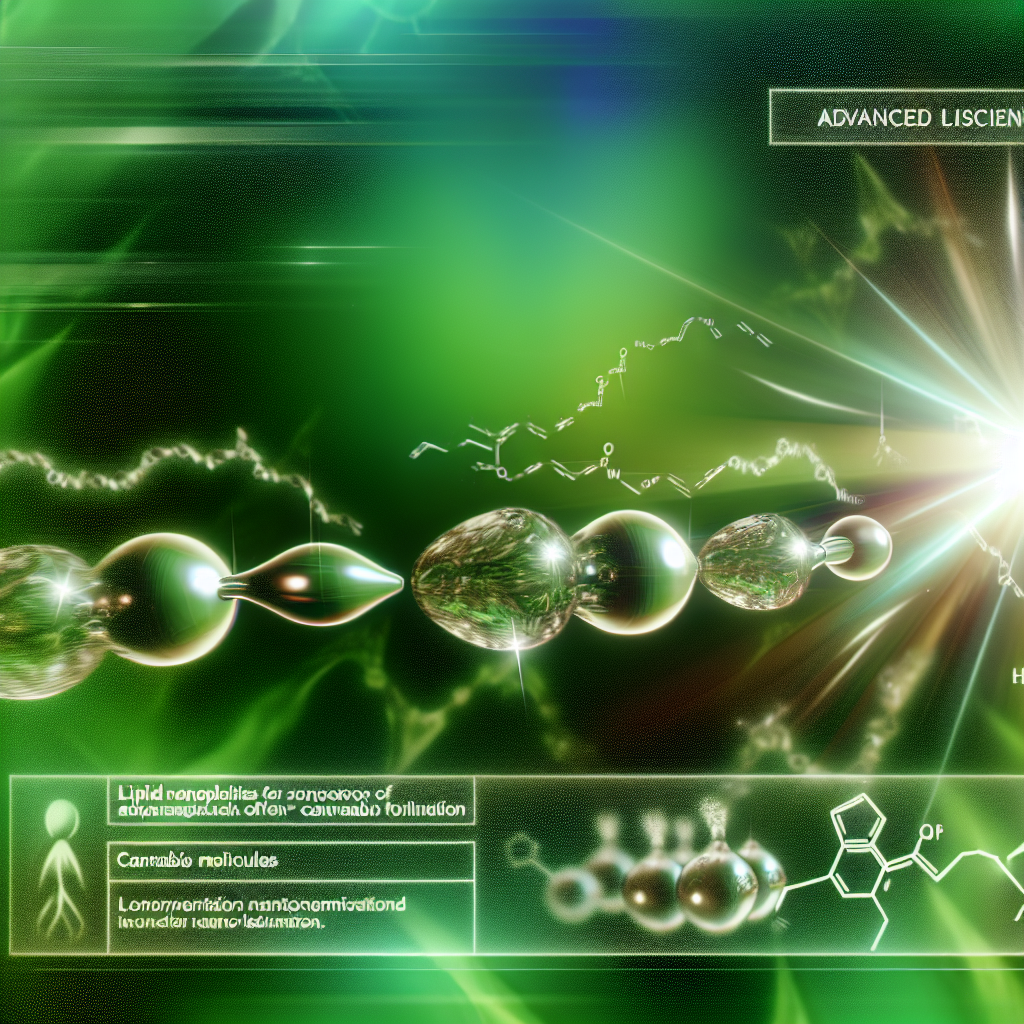
In recent years, the rise of cannabis as both a therapeutic tool and a recreational product has driven innovation in formulation technologies. Among these, nanoemulsions have been celebrated for their ability to improve the bioavailability and stability of cannabinoids. However, a new contender has entered the arena—lipid nanoparticles (LNPs). These advanced delivery systems have long been used in pharmaceuticals, particularly in vaccine development, and their transition into the cannabis space could reshape the future of cannabinoid applications.
The fundamental challenge in cannabis formulation is overcoming the low water solubility and poor bioavailability of cannabinoids like THC and CBD. This is where both nanoemulsions and LNPs become advantageous. Nanoemulsions are oil-in-water emulsions with nanometer-sized droplets that increase solubility and surface area, thus enhancing absorption. These have been exemplary in creating beverages and edibles with rapid onset and consistent dosing.
However, while nanoemulsions have set the stage, their limitations are becoming increasingly apparent. They often require high-energy processes and surfactants, which can affect taste, stability, and safety. Enter lipid nanoparticles—a technology that offers a more sustainable, versatile, and scalable solution. LNPs are tiny carriers composed of lipids that can encase cannabinoids, providing a protective environment that improves stability and bioavailability without the need for harsh surfactants. Moreover, LNPs have shown superior ability to cross biological barriers, delivering cannabinoids more effectively into the bloodstream and ensuring greater therapeutic or recreational outcomes.
The adoption of LNP technology in cannabis formulation is not merely a trend; it’s a paradigm shift informed by scientific advances and consumer demand for higher efficacy, natural ingredients, and more predictable effects. This transformation is deeply rooted in the sophisticated delivery mechanisms seen in pharmaceutical sciences, promising to enhance the way cannabis products are consumed and experienced.
Features
The transition from nanoemulsions to lipid nanoparticles in cannabis is underpinned by emerging data and studies in delivery technologies. First, research from the pharmaceutical industry highlighting LNPs’ prowess can be instrumental in understanding this shift. For instance, a study published in *Nature* detailed how lipid nanoparticles were successfully utilized to deliver mRNA vaccines, confirming their ability to protect and transport delicate substances through the body effectively. This scientific basis underscores their potential application for cannabinoids.
Cannabinoids themselves face challenges of stability and bioavailability due to their lipophilic nature. A study published in *Molecules* examined the use of LNPs for oral administration of lipophilic drugs, concluding that lipid-based nanoparticles significantly enhanced bioavailability and drug release profiles. Translating these findings to cannabis, LNPs offer a promising avenue for creating more effective formulations with greater consumer appeal and therapeutic potential.
Moreover, advancements in the customization of lipid nanoparticles for targeted delivery are noteworthy. According to research in *Drug Delivery and Translational Research*, LNPs can be engineered to target specific cells or tissues, thereby optimizing the therapeutic impact of cannabinoids while minimizing side effects. This precision medicine approach, previously unattainable with simpler nanoemulsions, could revolutionize medicinal cannabis strategies.
Clinicians and consumers alike benefit from the enhanced attributes of LNPs. Products infused with cannabinoids using lipid nanoparticles offer a longer shelf life and improved taste profile, as they reduce the need for synthetic additives. Moreover, formulation flexibility means that these products can be customized to suit various delivery methods—be it edibles, topicals, or even inhalables—catering to a wider audience and addressing specific health conditions more effectively.
Conclusion
As the cannabis industry evolves, the adoption of lipid nanoparticles signifies a pivotal step forward. With their ability to enhance bioavailability, ensure stability, and offer scalable and sustainable solutions, LNPs are poised to redefine cannabis manufacturing and consumption. This innovation drives a future where consumers benefit from the full potential of cannabinoids, enjoying more effective, predictable, and tailored experiences. As research continues and technology advances, lipid nanoparticles are likely to become the cornerstone of next-generation cannabis products.
Concise Summary
Lipid nanoparticles (LNPs) are emerging as the dominant technology in cannabis formulation, offering significant advantages over traditional nanoemulsions. LNPs provide superior bioavailability and stability for cannabinoids such as THC and CBD without using harsh surfactants. By enhancing the absorption and effectiveness of cannabis products, LNPs promise a revolution in medical and recreational applications. Grounded in pharmaceutical advances, LNPs allow for more sustainable, scalable, and customizable cannabis delivery systems, positioning them as the future cornerstone of next-generation cannabis products. As research progresses, LNPs could dramatically change how cannabis is consumed and experienced.