Cannabinoid Quantum Biology: Unraveling Quantum Effects in Cannabis Compounds
Introduction
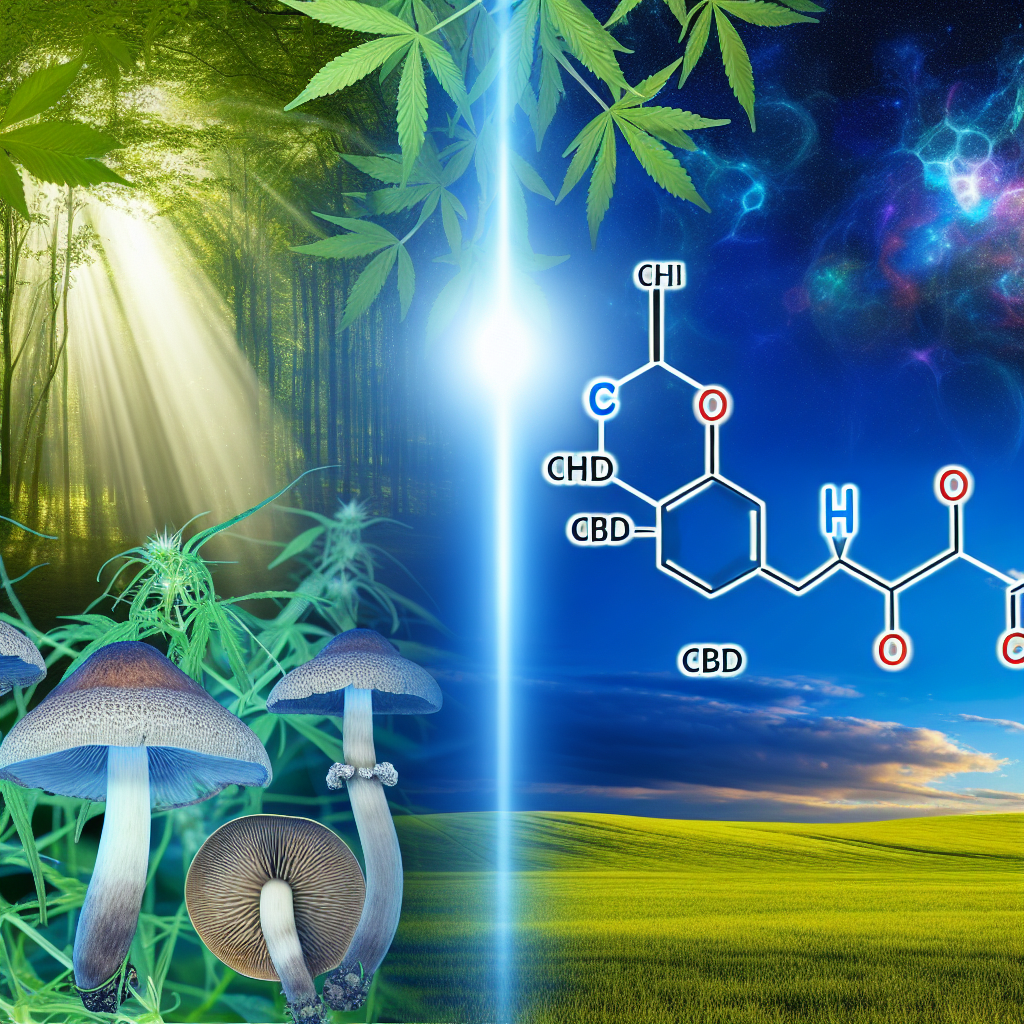
The exploration of quantum biology offers a fascinating frontier in understanding life and, by extension, the complex interplay of compounds within cannabis. Traditionally, quantum mechanics is associated with subatomic particles and theoretical physics, seemingly distant from the tangible effects of cannabinoids derived from the cannabis plant. Yet, recent research suggests that quantum biological processes might play a pivotal role in how these compounds interact with the human body. Cannabis, with over 100 naturally occurring cannabinoids, offers a unique medium through which to explore these ideas.
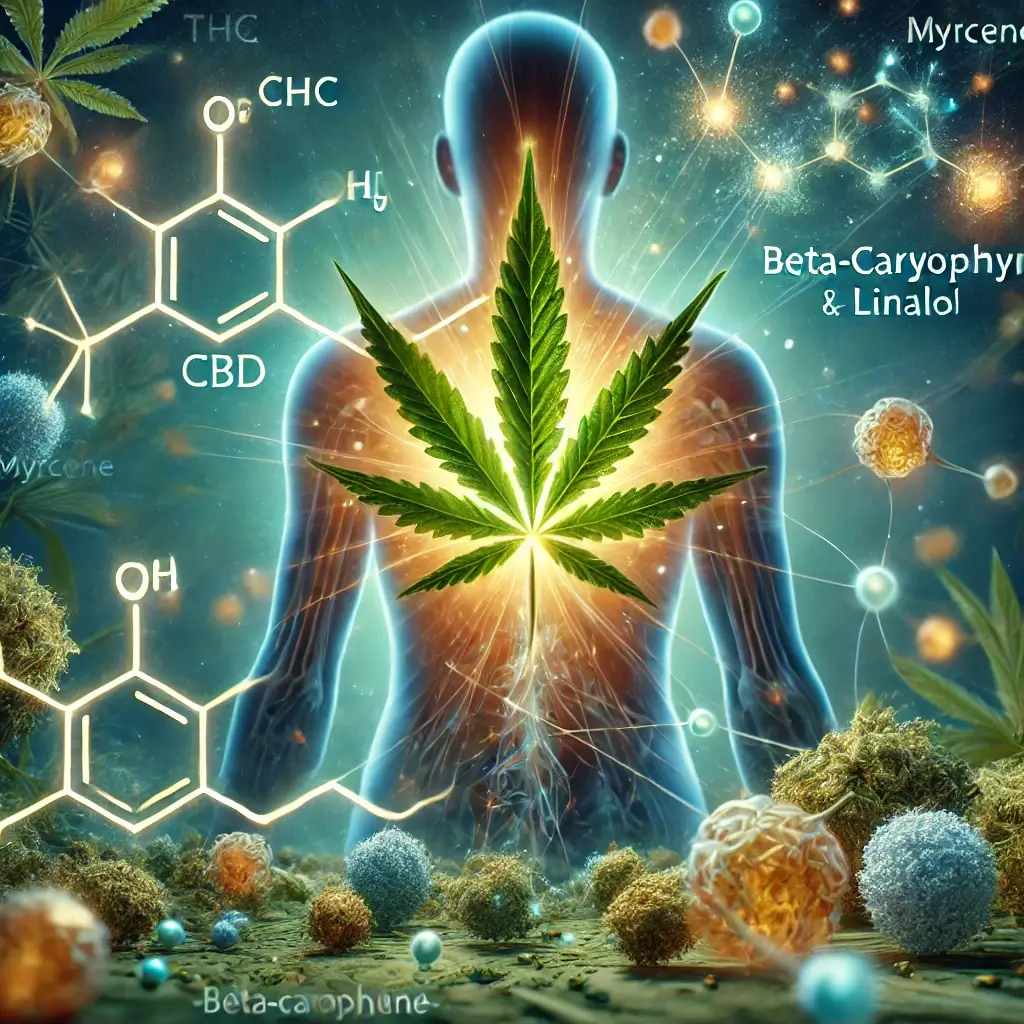
Cannabinoids like tetrahydrocannabinol (THC) and cannabidiol (CBD) have well-documented effects on the human endocannabinoid system, influencing physiological processes such as pain sensation, appetite, and mood. However, the deeper underlying mechanisms might involve quantum biological principles. Photosynthesis in plants—a process fundamental to life—involves quantum coherence, where light particles are absorbed and transported efficiently. Similarly, the transfer of electrons and energy transformation within cannabis compounds could involve quantum phenomena.
Understanding the quantum realm within cannabinoids may explain why certain strains have specific effects or lead to innovations in cultivating cannabis with tailored cannabinoid profiles. Phenomena such as tunneling or entanglement might be factors in how these compounds achieve their effects at the receptor level. This frontier could provide unprecedented insights into the entourage effect—a proposed mechanism by which compounds in cannabis work synergistically to produce unique effects.
As scientists begin to decode these processes, the implications for both recreational users and medical professionals are vast. From developing strains with optimal therapeutic benefits to harnessing the cannabis plant’s full potential, quantum biology might redefine cannabis consumption and research.
Features
Emerging scientific evidence introduces the concept that quantum mechanics contributes to biological functions. Quantum biology holds potential explanatory power for how cannabinoids, and indeed all biological compounds, exhibit their qualities and efficiencies. A 2020 study published in Nature, [Quantum Physics in Biology](https://www.nature.com/articles/s41567-019-0741-5), explored how quantum mechanics plays a crucial role in biological processes, aligning with new insights into cannabinoid interactions.
In human biology, cannabinoids exert their effects primarily through the CB1 and CB2 receptors. The interactions between these cannabinoids and receptors are traditionally understood in biochemical terms—fitting together like a lock and key. However, recent models suggest the involvement of quantum mechanical processes such as wave-particle duality in neurotransmitter transfer and receptor activation.
One study, published in Frontiers in Molecular Neuroscience, investigates how quantum entanglement could influence neuroreceptor activity, [Quantum Entanglement in Biology](https://www.frontiersin.org/articles/10.3389/fnmol.2019.00020/full). Such findings propose that cannabinoid molecules might be communicating in more synchronized and efficient ways than previously thought, contributing to the rapid onset and varied effects individual users experience when consuming cannabis products.
Moreover, photosynthesis, crucial in producing cannabis, might involve quantum coherence. Chloroplasts in cannabis plants manage light energy through quantum coherence, ensuring optimal energy conversion, potentially affecting the chemical composition and efficacy of cannabinoids. This process, as elucidated in the publication [Quantum Biology and Photosynthesis](https://journals.plos.org/plosone/article?id=10.1371/journal.pone.0076890), could explain variations in the cannabinoid profiles of cannabis strains.
With cannabis research becoming more integral to medical and psychoactive studies, recognizing quantum mechanical effects could lead to novel cannabinoids and optimally configured therapeutic regimens. Such advancements remain at the cusp of current scientific capabilities but are already beginning to break through conventional boundaries, as evidenced by ongoing research initiatives worldwide.
Conclusion
Quantum biology provides an exciting new lens through which to examine cannabinoids’ diverse effects on the human body. While still emerging, the potential discoveries could revolutionize our understanding of cannabis efficacy and open new pathways for medical treatment and recreational experience optimization. As research continues, the unlocking of cannabis’s full potential through quantum principles promises to be a groundbreaking scientific endeavor.
Concise Summary
Quantum biology is emerging as a field that explores the potential influence of quantum mechanics on biological systems, notably in cannabis. Recent studies suggest that quantum phenomena like coherence and entanglement may play roles in the complex interactions of cannabinoids such as THC and CBD with the human body, influencing aspects like the entourage effect. As researchers unravel these complex quantum-biological interactions, there lies potential to revolutionize cannabis research and strain development, optimizing therapeutic benefits and enhancing recreational experiences through an understanding of these quantum principles.