Beyond THC: The Untapped Potential of Algal Biosynthesis in Cannabinoid Production
Introduction
As the cannabis industry continues to flourish, there is a growing demand for innovative methods of producing cannabinoids, the active compounds found in cannabis plants. Traditional cultivation and extraction methods pose several challenges, including high costs, environmental impact, and limited scalability. Enter algal biosynthesis—an emerging technology that leverages genetically modified algae to produce cannabinoids in a controlled, sustainable, and potentially cost-effective manner.
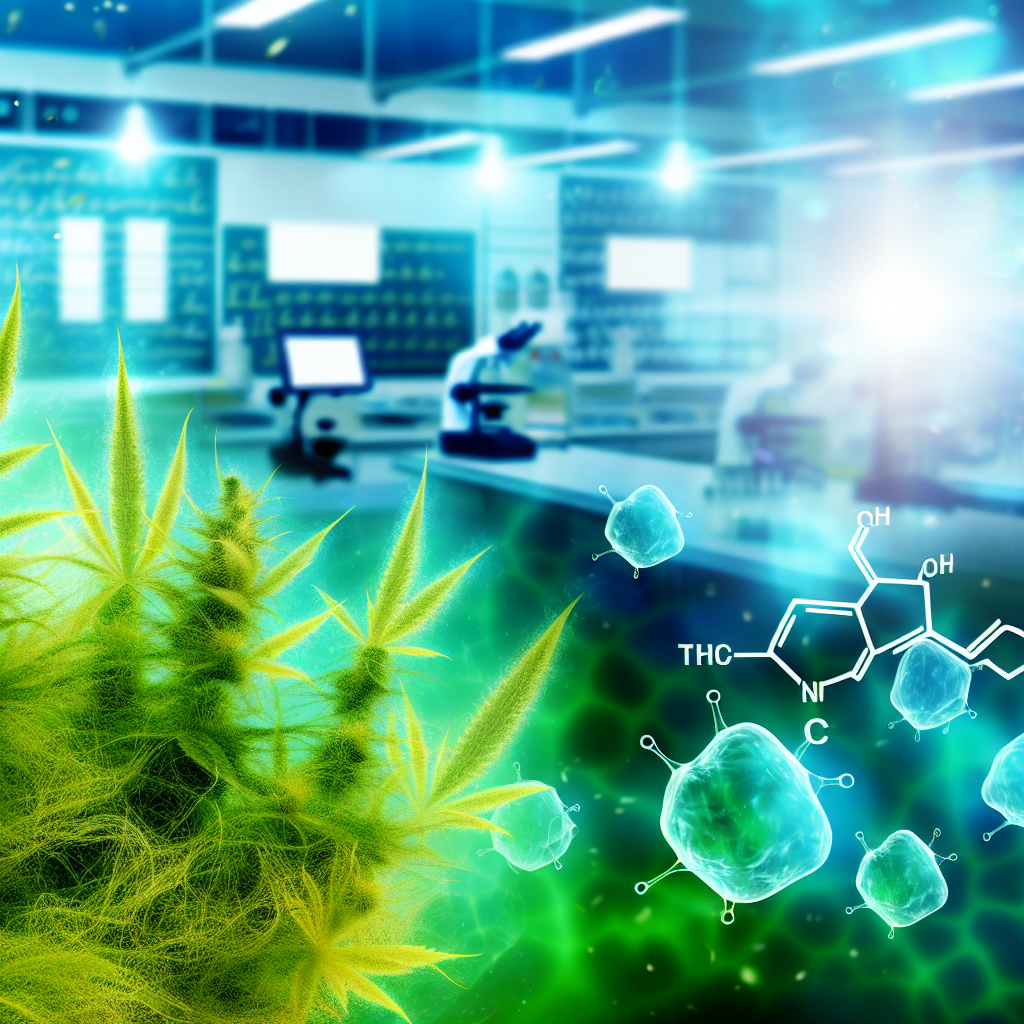
Algae, known for their adaptability and rapid growth, are already being explored for renewable energy, food, and pharmaceuticals. Researchers are now tapping into their potential to revolutionize cannabinoid production. By using synthetic biology to splice cannabinoid-forming genes into algae, scientists enable these microorganisms to generate cannabinoids such as THC, CBD, and beyond.
The appeal of algal biosynthesis lies in its sustainability. Algae can be cultivated in large bioreactors with minimal environmental footprint, unlike traditional cannabis farming which demands substantial land, water, and energy resources. This approach could reduce the carbon footprint associated with cannabinoid production, offering a greener alternative. Furthermore, this method allows for consistent and scalable production, overcoming limitations of plant-based cultivation like crop failures and yield fluctuations.
As legal landscapes shift globally, the industry is ripe for innovation. Algal biosynthesis offers businesses a chance to meet growing consumer demand for cannabinoids while adhering to stringent sustainability standards. By decoupling cannabinoid production from cannabis agriculture, this technology opens new avenues for research, drug development, and therapeutic applications, potentially unveiling new cannabinoids with unique benefits.
Features
Recent advancements in biotechnology and genetic engineering have facilitated the exploration of algal biosynthesis for cannabinoid production. A pivotal study conducted by researchers at UC Berkeley demonstrated the successful genetic modification of the algae species Chlamydomonas reinhardtii to produce precursor molecules for cannabinoids. This breakthrough laid the groundwork for further developments, illustrating the viability of using algae as biofactories.
Moreover, a study published in [*Nature*](https://www.nature.com/articles/s41587-018-0013-1) detailed the process of isolating and inserting specific genes from cannabis plants into algae, enabling them to produce compounds analogous to cannabinoids. This underscores potential for scaling up production using bioreactors, where conditions can be optimized for maximum yield and consistency. By circumventing plant cultivation complexities, algal biosynthesis could produce rare cannabinoids economically unfeasible through traditional methods.
The medical implications are significant. Cannabinoids have shown a broad range of therapeutic effects, like analgesic, anti-inflammatory, and anti-anxiety properties. With algal biosynthesis, scientists can potentially produce novel cannabinoids with enhanced pharmacological profiles, paving the way for new medicines. Additionally, this method allows precise control over cannabinoid potency and composition, crucial for medical applications where dosage accuracy is vital.
Various companies are investing in this technology, aiming to commercialize algal-derived cannabinoids. For example, [Renew Biopharma](https://www.renewbiopharma.com/research), a bioengineering firm, is actively working on producing cannabinoids through algae, highlighting the increasing interest in this field. As the technology matures, it could disrupt the traditional cannabis market, providing an alternative source that meets consumer and regulatory demands.
Conclusion
Algal biosynthesis is a promising frontier in cannabinoid production, offering sustainable, scalable, and innovative solutions to traditional challenges. Harnessing algae could unlock new cannabinoids and their therapeutic potentials, expand compound access, and meet environmental standards. As research progresses, this technology could redefine cannabinoid production, benefiting consumers, medical professionals, and the cannabis industry.
References
– [*Nature*: Biotechnological production of cannabinoids](https://www.nature.com/articles/s41587-018-0013-1)
– [UC Berkeley News: Genetically engineered algae could sustain lots of industries](https://news.berkeley.edu/2019/03/07/genetically-engineered-algae-could-sustain-lots-of-industries-potentially-including-cannabis/)
– [Renew Biopharma: Cannabinoid Science](https://www.renewbiopharma.com/research)
Concise Summary: Algal biosynthesis is an emerging technology offering a sustainable and scalable alternative for cannabinoid production by using genetically modified algae. This approach has potential to overcome traditional cultivation challenges including environmental impact and high costs. With advancements in biotechnology, algae can be engineered to produce cannabinoids, reducing carbon footprints and potentially discovering novel compounds with therapeutic benefits. Companies are increasingly investing in this field, indicating its potential to reshape the cannabis industry and meet consumer and regulatory demands.