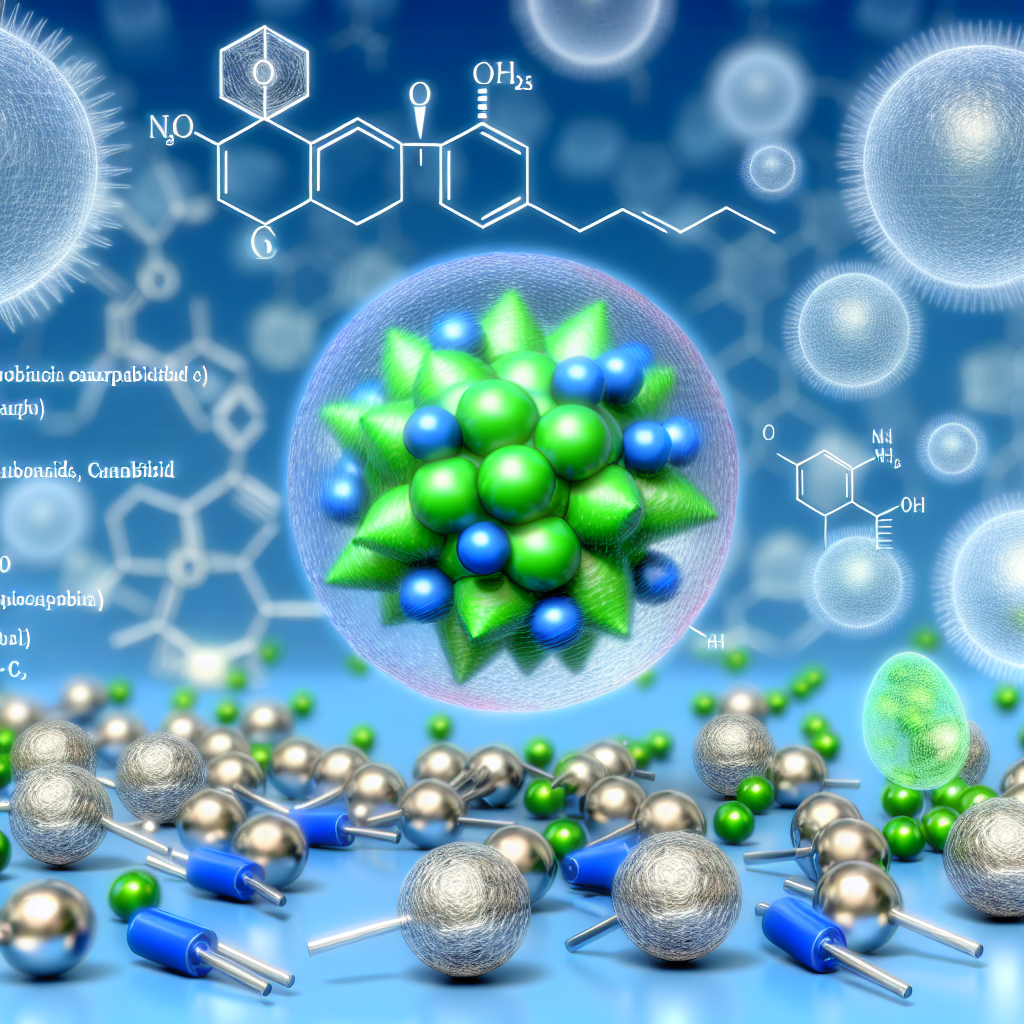
Engineering the Psychedelic Cannabinoid: Exploring Cannabis-Triggered Neurogenesis and Synapse Formation
Introduction
Cannabis, a plant entrenched in both stigma and celebration, is ever-evolving in modern medicine and recreational use. Scientific inquiry into cannabinoids reveals possibilities beyond pain relief and relaxation. Current research focuses on cannabis-triggered neurogenesis and synapse formation, significant for understanding and engineering psychedelic effects. These are foundational for brain health, focusing specifically on Δ9-tetrahydrocannabinol (THC) and cannabidiol (CBD), potentially reshaping approaches to mental health conditions like depression, anxiety, and neurodegenerative diseases.
Historically, stimulating neurogenesis in adults was doubtful, but recent research proves the adult brain’s plasticity. Cannabinoids may play a major role, particularly in the hippocampus, crucial for learning and memory. The endocannabinoid system (ECS) regulates mood and supports synaptic plasticity, offering therapeutic opportunities for various psychopathologies.
The psychedelic properties of cannabis compounds may modulate neurogenesis and influence synaptic connections therapeutically. Exploring the molecular interactions involves neurobiology, pharmacology, and psychonautics. Understanding specific cannabinoids’ impact on brain growth and connectivity could lead to targeted therapies leveraging cannabis for mental wellness.
Features
Recent breakthroughs illuminate how cannabis may foster neurogenesis and synapse formation, with endocannabinoid system being central to these phenomena.
A study in the Journal of Clinical Investigation found cannabinoid receptor activation increases neuron production in the hippocampus, suggesting cannabis may enhance cognitive function and prevent age-related cognitive decline and mental disorders ([Journal of Clinical Investigation](https://www.jci.org/articles/view/25898)).
Additionally, Nature Neuroscience highlighted cannabinoids’ role in forming dendritic spines—key for synaptic connectivity and plasticity—potentially amending conditions like Alzheimer’s disease, characterized by synapse loss ([Nature Neuroscience](https://www.nature.com/articles/nn1231)).
The psychedelic cannabis properties may influence creative cognition. A Frontiers in Neuroscience study suggests cannabinoids may enhance divergent thinking, a vital component of creativity and problem-solving, useful in treating psychiatric disorders and boosting intellectual capacities ([Frontiers in Neuroscience](https://www.frontiersin.org/articles/10.3389/fnins.2017.00172/full)).
Thus, cannabis could fundamentally alter cognitive disorder treatments by fostering new neurons and synaptic connections, offering holistic mental health approaches.
Conclusion
Exploring cannabis-triggered neurogenesis and synapse formation advances cannabis research, melding the therapeutic and psychedelic. As research continues, potential exists for engineered cannabinoids fostering mental well-being and cognitive enhancement. Ensuring cannabis’s potential benefits requires ongoing scientific inquiry and innovation, urging ethical and effective utilization.
Concise Summary
Cannabis, through its compounds like THC and CBD, is increasingly recognized for potential in promoting neurogenesis and synapse formation, contributing to mental well-being. Cannabis research highlights its potential in treating mental health conditions such as depression and anxiety, boosting cognitive functions, and counteracting neurodegenerative diseases. The active role of cannabinoids in enhancing brain plasticity underscores compelling therapeutic possibilities. Advances centering on understanding these processes could alter cognitive disorder treatment, merging therapeutic benefits with psychedelic effects to holistically improve mental health. Continued research is vital for responsible and effective use.