Harnessing CRISPR: Revolutionizing Cannabis Cultivation and Cannabinoid Enhancement
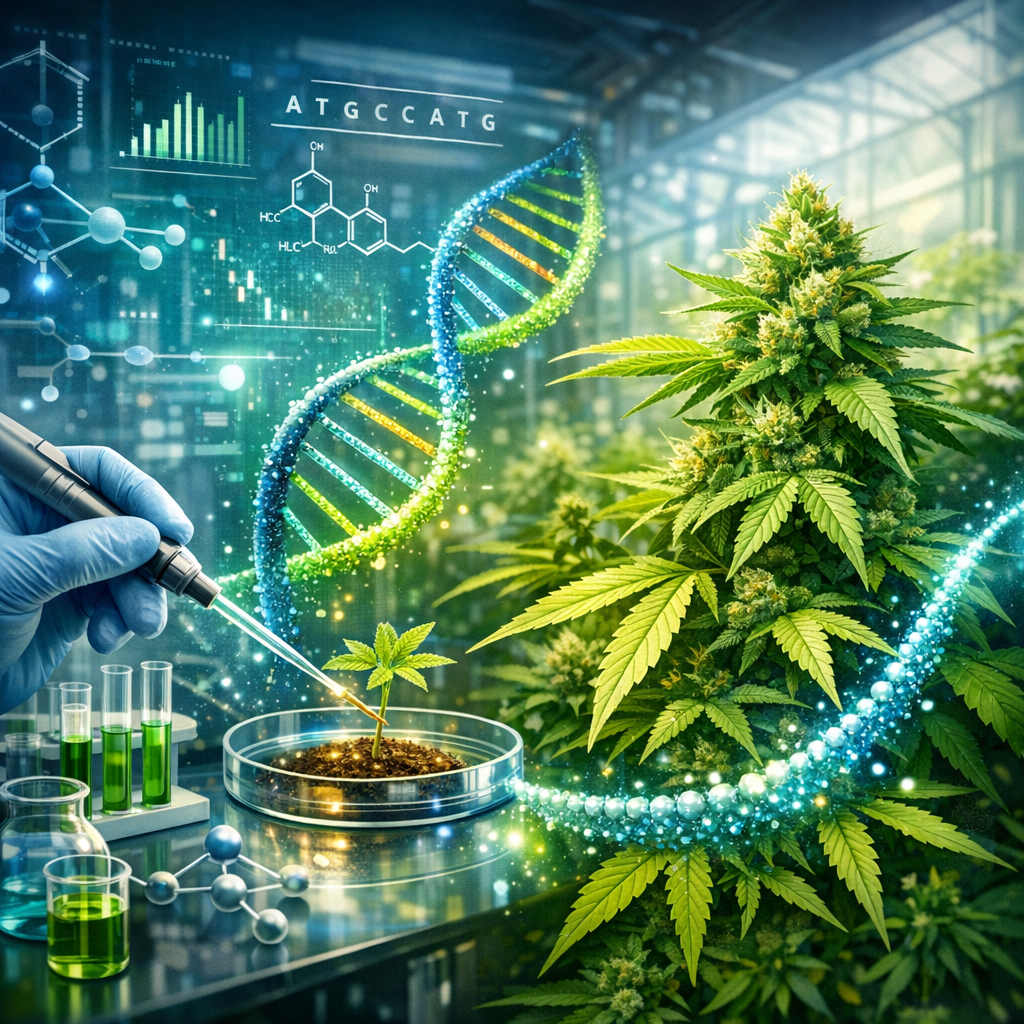
In recent years, the once-futuristic vision of gene editing has made remarkable strides, translating into tangible breakthroughs across various fields. One of the most exciting advancements is the development of the CRISPR-Cas9 technology, a powerful tool that enables scientists to make precise modifications to an organism’s genetic material. While initially making waves in human medicine and agriculture, CRISPR is now paving the way for innovative possibilities in the realm of cannabis cultivation and enhancement.
Cannabis, a versatile plant revered for its therapeutic and recreational benefits, derives its effects primarily from compounds known as cannabinoids. The two most notable cannabinoids, THC and CBD, along with many others, contribute to its diverse properties. Traditional methods of cannabis breeding involve cross-breeding and selective cultivation to enhance desirable traits, a process that can be time-consuming and imprecise. Enter CRISPR, which offers a groundbreaking avenue to accelerate and refine this process. By enabling the direct manipulation of specific genes associated with cannabinoid production, CRISPR opens doors to tailor cannabis strains for targeted effects, increased potency, and improved growth characteristics.
The implications of CRISPR in cannabis extend beyond just recreational and medical applications. With this technology, cultivators can potentially create strains with enhanced resilience to pathogens and environmental stressors, reducing the need for chemical interventions and promoting sustainable cultivation practices. Moreover, the capacity to boost specific cannabinoid profiles presents opportunities for patient-specific cannabis therapies, allowing for the production of precisely calibrated strains for medical purposes.
As cannabis continues to gain global acceptance and legalization expands, the industry is ripe for innovations that CRISPR can offer. Understanding the plant’s genetic blueprint and being able to adjust it with molecular precision presents endless possibilities for both consumers and professionals. As researchers delve deeper into the cannabis genome, the potential for novel cannabinoid compounds with unique effects becomes increasingly attainable, marking a new era in cannabis science.
Features: Groundbreaking Studies and Applications
Recent studies have highlighted the potent capabilities of CRISPR in cannabis enhancement. Researchers have successfully deployed CRISPR-Cas9 to edit the Cannabinoid Synthase genes, the key enzymes responsible for the biosynthesis of major cannabinoids. A pioneering study conducted by the University of Colorado aimed to increase THC levels by silencing the Tetrahydrocannabinol Acid Synthase (THCAS) gene. This experiment showcased CRISPR’s precision in modifying complex plant pathways, ultimately leading to strains with significantly elevated THC concentrations.
Beyond increasing potency, CRISPR is also being utilized to enhance CBD levels while lessening unwanted cannabinoids or terpenes that may affect desired effects or flavors. Further research at the University of California has involved targeting the Cannabidiolic Acid Synthase (CBDAS) gene to maximize the amount of CBD produced per plant, without increasing any psychoactive effects. This has far-reaching implications for medical cannabis, especially in producing high-CBD strains used in managing conditions like epilepsy and chronic pain.
The environmental benefits of CRISPR are equally promising. By targeting genes associated with plant metabolism and defense mechanisms, researchers from Wageningen University have developed strains more resistant to molds and pests, drastically reducing the need for synthetic pesticides. This advance not only supports healthier cultivation practices but also bolsters crop yields without compromising on quality. Such innovations underscore CRISPR’s versatility in transforming cannabis agriculture to meet modern demands sustainably.
While the field is still evolving, the existing studies provide a blueprint for what lies ahead. The integration of CRISPR into traditional breeding techniques promises a future where cannabis is cultivated with unparalleled specificity and reliability. As these methods continue to be perfected, the collaboration between genetic research and cannabis cultivation is set to revolutionize the industry on an unprecedented scale.
Conclusion
The advent of CRISPR technology in cannabis cultivation heralds a transformative era marked by precision and potential. As scientists refine and expand these techniques, the promise lies in cultivating strains perfectly tailored to consumer needs and environmental conditions. For both cannabis professionals and enthusiasts, CRISPR offers a glimpse into a future where the full potential of the cannabis plant is unlocked, promising innovations in both recreational delight and profound medical benefits. As this genetic frontier unfolds, the canvas for discovery and advancement remains boundless.
References
1. [Harnessing CRISPR-Cas9 for targeted genome editing in plants](https://www.sciencedirect.com/science/article/pii/S1360138520302536) – ScienceDirect
2. [CRISPR in Cannabis: Opening Pandora’s Box](https://pubs.acs.org/doi/10.1021/acscentsci.7b00476) – ACS Central Science
3. [Foundation of Cannabis Genomic Research and its Implications](https://journals.plos.org/plosone/article?id=10.1371/journal.pone.0218865) – PLOS ONE
Concise Summary
CRISPR-Cas9 technology is transforming cannabis cultivation by offering precise gene-editing capabilities, enhancing cannabinoid profiles, and improving plant resilience. This biotechnology allows for tailored cannabis strains, increasing THC and CBD levels while reducing undesirable compounds, supporting both medical and recreational use. Moreover, CRISPR promotes sustainable cultivation by enabling strains resistant to pests and environmental stresses. As research progresses, CRISPR is set to revolutionize the cannabis industry by unlocking new potentials for strain specificity and efficiency in production, responding to consumer demands and environmental challenges with cutting-edge precision.