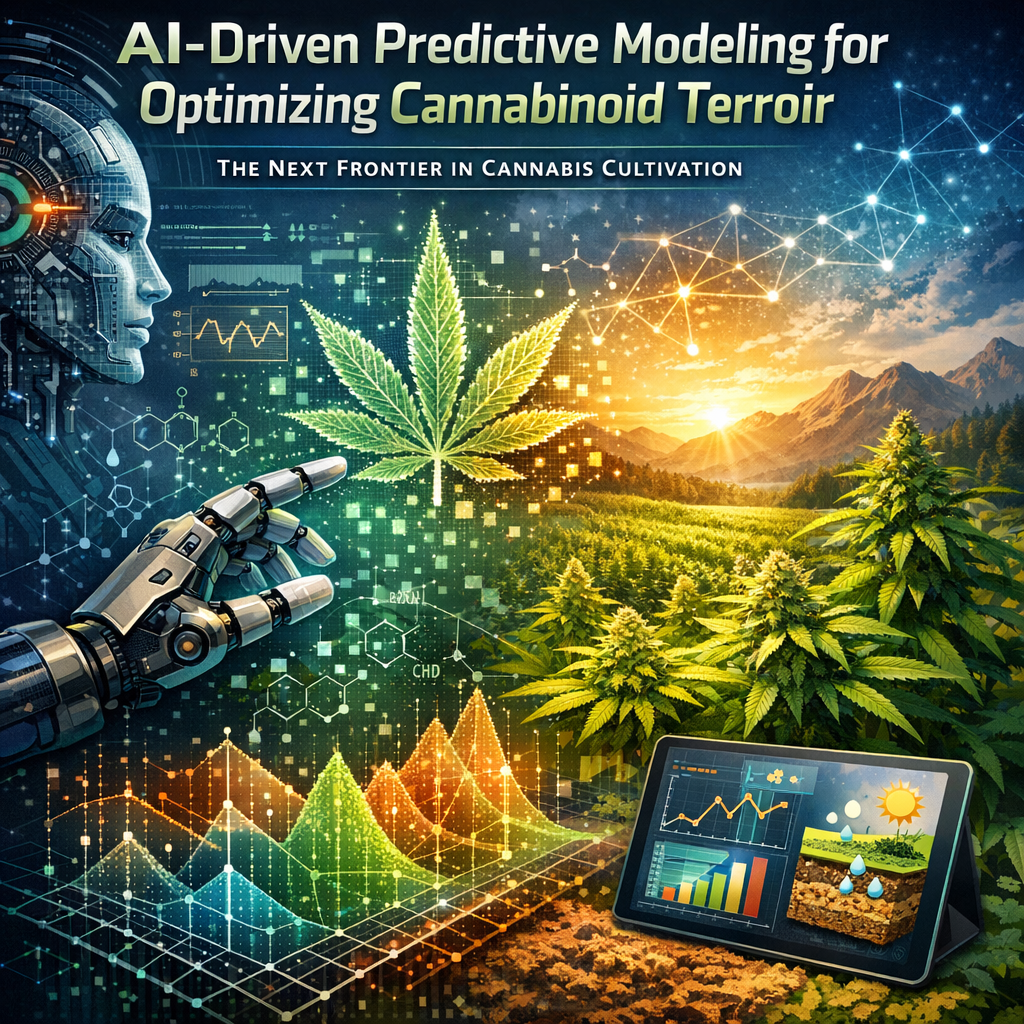
AI-Driven Predictive Modeling for Optimizing Cannabinoid Terroir: The Next Frontier in Cannabis Cultivation
The world of cannabis cultivation is rapidly evolving, driven by technological advancement and booming consumer demand. Among the most intriguing developments is the concept of ”cannabinoid terroir”, a term borrowed from the wine industry describing how regional climate, soil composition, and cultivation practices influence the growth of the plant and its chemical profile. The next frontier in cannabis cultivation lies in the intersection of terroir and artificial intelligence (AI). By leveraging AI-driven predictive modeling, cultivators can optimize the cannabinoid profile of their crops, improving both yield and quality to better meet consumer and medicinal demands.
At its core, terroir refers to the unique set of environmental contexts and farming practices that impact a crop’s characteristics. In the context of cannabis, terroir influences not just yield, but the plant’s array of cannabinoids and terpenes, which in turn affect the aroma, flavor, and therapeutic properties of the final product. As demand for specific cannabinoids grows—such as CBD for its anti-inflammatory properties or THC for its psychoactive effects—producers seek to fine-tune their strains to optimize these compounds.
Enter AI-driven predictive modeling, a powerful tool that harnesses vast datasets to predict and influence outcomes in agriculture. Through machine learning algorithms, AI analyzes variables such as climate patterns, soil conditions, and historical growth data to recommend optimal planting strategies. For cannabis, predictive modeling can help identify the best conditions for maximizing the concentration of desired cannabinoids while minimizing less desirable traits.
This approach has the potential to revolutionize cannabis cultivation. By understanding the interplay between environmental factors and plant chemistry, growers can make data-driven decisions to enhance their product. The use of AI in agriculture is not entirely new; precision farming techniques that utilize satellite data and AI analytics have been in practice for a few years in the general agriculture sector. However, its focused application in optimizing cannabinoid production represents a pioneering step that could substantially elevate cultivation practices.
Features: Insights from Studies
The application of AI in agriculture isn’t speculative; several professional and academic studies reinforce its efficacy. One example is a study published in the International Journal of Advanced Research in Artificial Intelligence (IJARAI), which demonstrated how machine learning models accurately predicted crop yields based on environmental data and predicted how adjusting variables could improve output. While this study focused on traditional crops, the underlying principles are directly transferable to cannabis cultivation.
Moreover, research on the genomics of cannabis conducted by institutions like the [University of Colorado Boulder](https://www.colorado.edu) is laying the groundwork for more sophisticated predictive modeling. These studies have begun to map the genetic underpinnings of the plant, identifying how specific genes interact with environmental variables to influence cannabinoid synthesis. This intersection of genomic and environmental data is a perfect playground for AI applications.
A pertinent example is the work being done on strain development through predictive genetics, as detailed in a report by [Frontiers in Plant Science](https://www.frontiersin.org). This report outlines how AI can analyze genetic information and environmental data to predict not only cannabinoid levels but also pest resilience and growth efficiency, highlighting the commercial potential of predictive modeling.
In medical applications, AI-driven modeling could prove revolutionary for consistency in cannabis products, which is crucial for medical use. Researchers are exploring how this technology can maintain stable cannabinoid profiles, ensuring patients receive the same therapeutic effects with each use. The precision this technology brings could lead to higher standards of quality and efficacy in medical cannabis, making it a reliable option for healthcare practitioners and patients alike.
Conclusion
AI-driven predictive modeling represents a transformative opportunity to optimize cannabinoid terroir. By integrating technology with traditional cultivation expertise, the cannabis industry stands on the brink of significant advancements in plant quality, yield, and consumer satisfaction. As these tools continue to develop, they promise a future where every harvest is strategically tailored to meet the exact demands of consumers and medical practitioners, revolutionizing how we approach cannabis cultivation.
References
1. [IJARAI Study on Crop Yield Prediction](https://www.ijarai.com)
2. [University of Colorado Boulder Cannabis Genomics Research](https://www.colorado.edu)
3. [Frontiers in Plant Science Report on Predictive Genetics in Cannabis](https://www.frontiersin.org)
Concise Summary
AI-driven predictive modeling is revolutionizing cannabis cultivation by integrating technology with traditional farming to optimize cannabinoid terroir. This approach leverages vast datasets and machine learning to enhance the quality and yield of cannabis by analyzing environmental factors such as climate, soil, and historical data. Studies highlight AI’s efficacy in predicting crop yields and optimizing cannabinoid production, ensuring consistency in medical applications. This technological integration promises tailored cultivation practices, meeting consumer and medicinal demands, and marking a significant advancement in the cannabis industry.