Beyond THC and CBD: Navigating the Frontier of Endocannabinoid System Modulation with Next-Gen Cannabis Compounds
Introduction
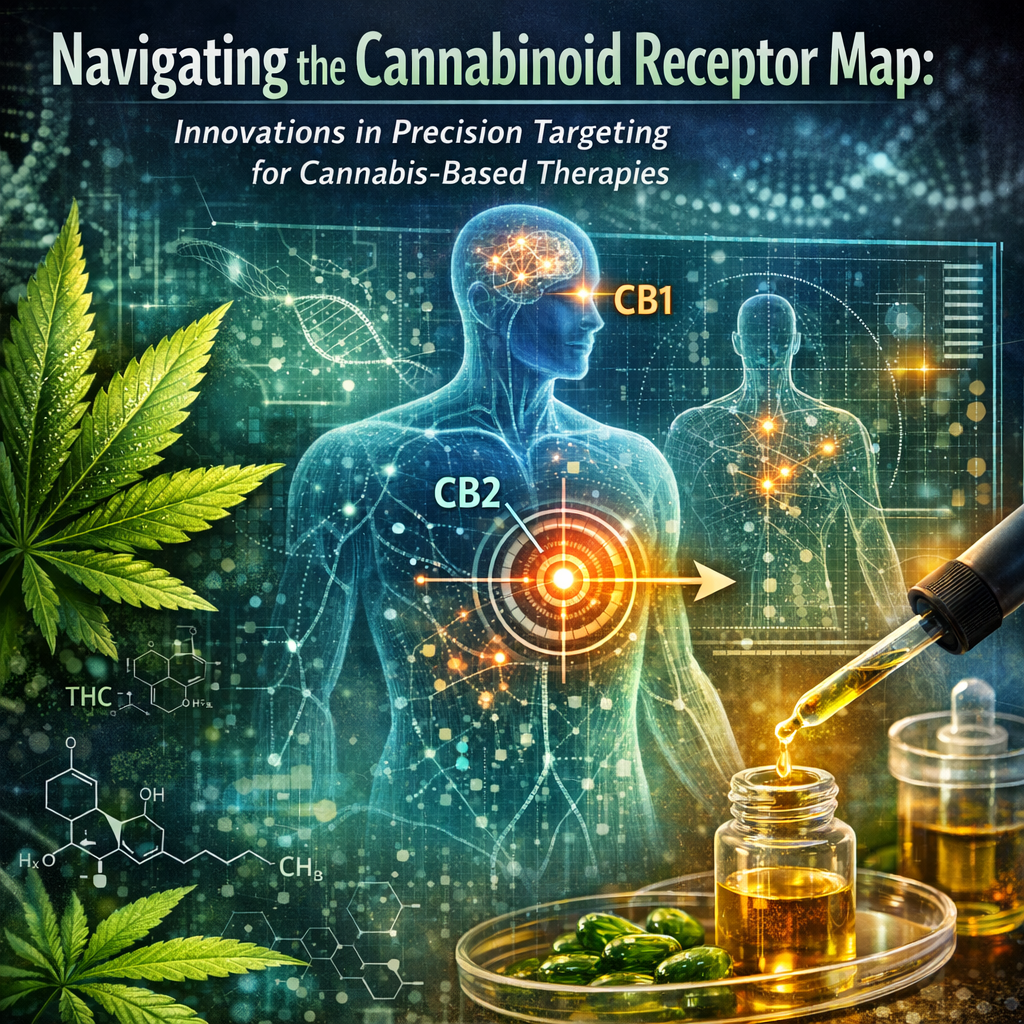
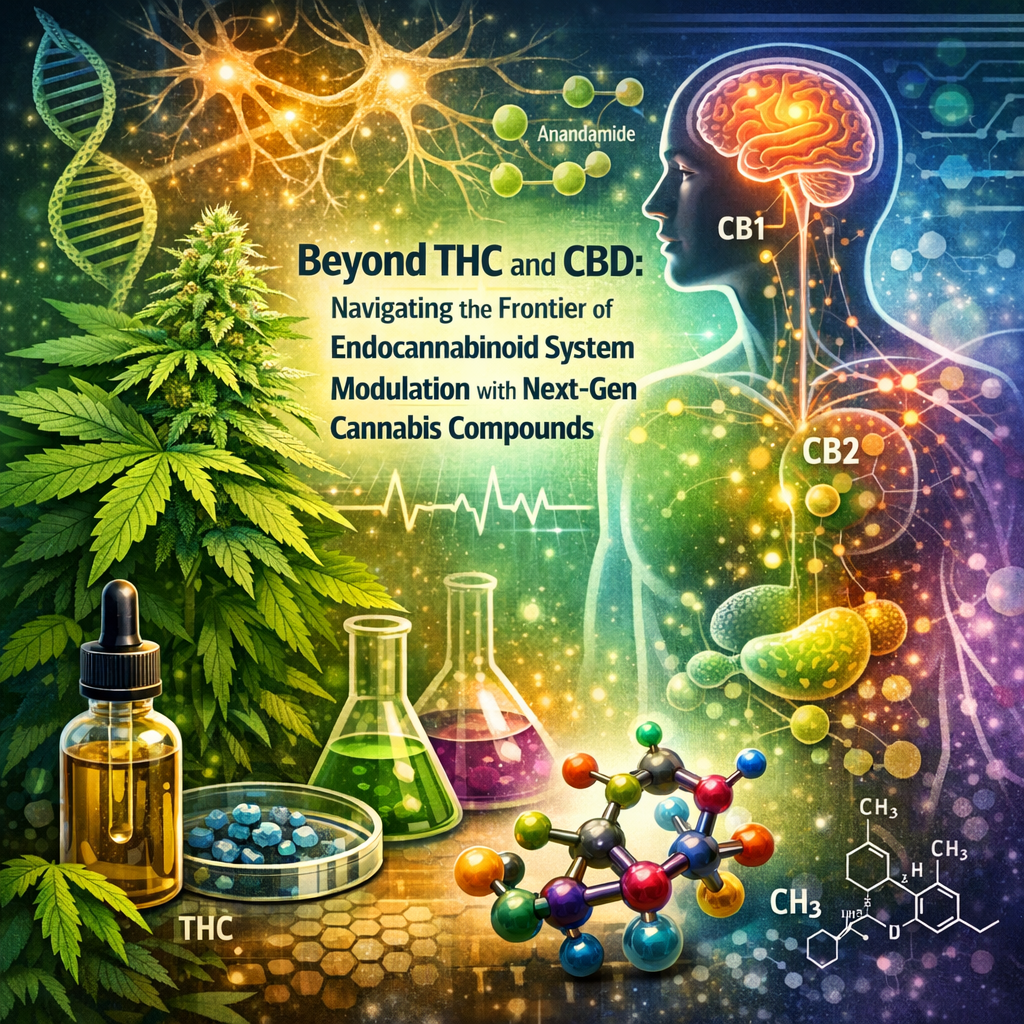
The global cannabis industry is on a growth trajectory, driven by increased recognition of its medical benefits and legalization efforts. Research into the complexities of the cannabis plant is expanding, especially beyond the well-known compounds THC and CBD. Emerging research suggests substantial potential in lesser-known cannabinoids and terpenes for modulating the endocannabinoid system (ECS), essential for bodily homeostasis. The ECS, through CB1 and CB2 receptors, regulates vital processes like pain, mood, appetite, and immune functions. As THC mainly binds to CB1 receptors, and CBD modulates both, next-generation cannabinoids like CBC, CBG, and THCV are being explored for unique therapeutic interactions.
CBC, for example, is notable for its anti-inflammatory, anti-depressant, and analgesic effects without psychoactivity. CBG appears promising for ailments like glaucoma, inflammatory bowel diseases, and neurological disorders. Additionally, terpene research, emphasizing the entourage effect, suggests that terpenes like myrcene, limonene, and alpha-pinene enhance cannabinoid effects by modulating the ECS.
This evolving knowledge points to a shift in cannabis applications, with novel cannabinoids and terpenes potentially surpassing or complementing traditional THC and CBD use. Understanding these next-gen compounds is crucial for anyone looking to leverage the impending innovations in cannabis science and application.
Features
Promising studies underscore the potential of next-gen cannabinoids. Research in *Frontiers in Pharmacology* highlights CBG’s anti-inflammatory and antibacterial benefits, with potential effects on inflammatory bowel disease and Huntington’s disease, showcasing its neuroprotective properties [(source)](https://www.frontiersin.org/articles/10.3389/fphar.2021.631068/full).
Cannabichromene (CBC) is also gaining research attention. *The European Journal of Pharmacology* attributes anti-depressant and pain-relieving properties to CBC, independent of traditional CB receptors, making it versatile for pain and mood disorders [(source)](https://www.sciencedirect.com/science/article/abs/pii/S0014299912003815).
THCV, a THC and CBD analog, is lauded in the *Journal of Cannabis Research* for its metabolic effects, offering potential as an appetite suppressant and energy booster. Such properties might transform treatments for obesity and metabolic disorders [(source)](https://jcannabisresearch.biomedcentral.com/articles/10.1186/s42238-019-0004-2).
The entourage effect is increasingly validated through research, such as in the *British Journal of Pharmacology*. It explores how terpenes like myrcene and limonene modulate cannabinoid activity, enhancing therapeutic cannabis applications [(source)](https://bpspubs.onlinelibrary.wiley.com/doi/abs/10.1111/bph.13261).
Together, these studies form a comprehensive mosaic showcasing the expansive potential of cannabis beyond THC and CBD, urging professionals and enthusiasts to stay abreast of ongoing developments.
Conclusion
Exploration beyond THC and CBD reveals the vast therapeutic potential within the emerging cannabis research frontier. A deeper understanding of novel cannabinoids and their interactions with the endocannabinoid system opens diverse opportunities for medical advancements and commercial growth in the cannabis industry. Embracing these next-generation compounds today positions us to fully leverage their benefits tomorrow.
Concise Summary: The cannabis industry is rapidly evolving, with research expanding beyond THC and CBD to explore lesser-known cannabinoids like CBC, CBG, and THCV, as well as terpenes. These compounds show unique interactions with the endocannabinoid system, offering potential advancements in medical therapies and applications. Emphasizing their anti-inflammatory, neuroprotective, and metabolic properties, alongside the entourage effect, next-gen cannabis compounds promise to reshape therapeutic approaches and industry growth. Understanding these developments prepares stakeholders to benefit from future cannabis innovations.