Historical Use and Modern Scientific Discovery
Cannabis has been used for centuries as a medicinal remedy, but modern science is just beginning to unravel its full therapeutic potential. While cannabinoids like THC and CBD are celebrated for their individual effects, the cannabis plant is far more than the sum of its parts. Its efficacy lies in the interplay between cannabinoids, terpenes, and other compounds, a phenomenon known as the entourage effect.
Understanding the Synergistic Enhancement
The entourage effect explains how the different compounds in cannabis synergistically enhance each other’s therapeutic properties. For instance, CBD can temper the psychoactive effects of THC while boosting its pain-relieving capabilities. Terpenes, the aromatic molecules responsible for the plant’s diverse scents, also contribute significantly. Compounds like myrcene, caryophyllene, and linalool influence how cannabinoids are absorbed, metabolized, and utilized by the body.
Medicinal Applications and Full-Spectrum Benefits
This synergy is particularly important for medicinal applications. Research suggests that full-spectrum cannabis products—those retaining all plant compounds—are more effective than isolated cannabinoids in managing conditions like chronic pain, anxiety, inflammation, and insomnia. A holistic approach utilizing the entourage effect can also reduce side effects, enhance efficacy, and promote better outcomes for patients.
Introduction to Scientific Exploration
In this article, we’ll explore the scientific basis of the entourage effect, its practical applications, and how to maximize its potential for various health conditions. By understanding the intricate dynamics of cannabis compounds, patients and healthcare providers can harness the plant’s full power for personalized and effective therapy.
Scientific Mechanisms of Synergy
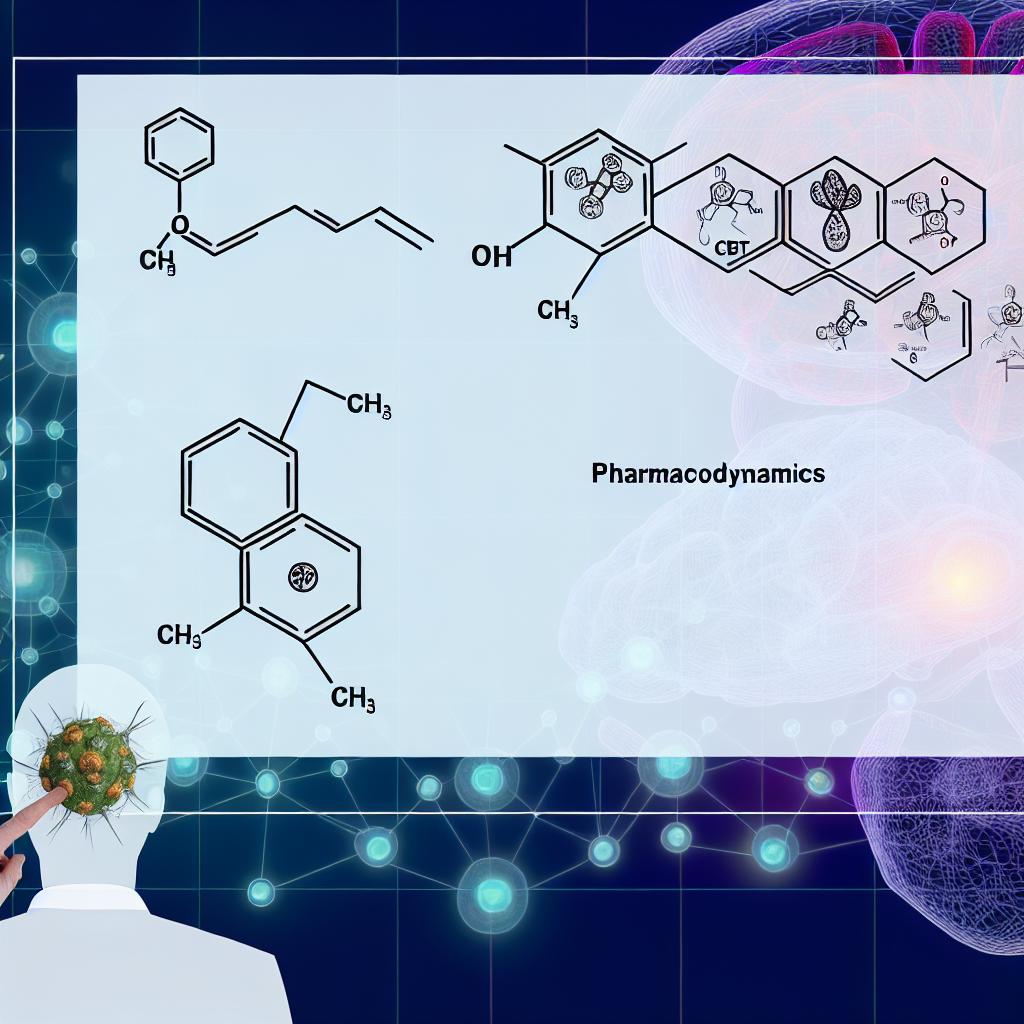
The entourage effect occurs when cannabinoids, terpenes, and other plant compounds interact, enhancing each other’s effects. Research has highlighted several key mechanisms: CBD and THC Interaction: CBD mitigates THC-induced anxiety while enhancing its analgesic properties. Terpene Modulation: Myrcene enhances cannabinoid absorption and has sedative effects, while pinene supports memory and focus. Neurochemical Balance: Cannabinoids and terpenes collectively influence neurotransmitters like serotonin and dopamine, contributing to mood regulation. A 2024 study in Journal of Cannabis Therapeutics demonstrated that full-spectrum extracts provided 35% better pain relief compared to THC or CBD isolates, emphasizing the importance of chemical diversity in cannabis therapy.
Clinical Applications and Benefits
Chronic Pain Management: A combination of THC, CBD, and terpenes like caryophyllene targets pain through multiple pathways, offering superior relief. Anxiety and Stress Reduction: Synergy between CBD, linalool, and limonene helps reduce anxiety while maintaining mental clarity. Inflammatory Conditions: The anti-inflammatory properties of CBD are amplified by terpenes like humulene and caryophyllene, making them effective against arthritis and autoimmune disorders. Insomnia and Sleep Disorders: Myrcene and linalool work alongside sedative cannabinoids to improve sleep quality and duration. Neuroprotection: The entourage effect supports cognitive function and may slow the progression of neurodegenerative diseases through antioxidant and anti-inflammatory mechanisms.
Optimizing the Entourage Effect
Harnessing the entourage effect involves thoughtful product selection and consumption practices: Choose Full-Spectrum Products: Opt for whole-plant extracts to ensure a comprehensive range of cannabinoids and terpenes. Experiment with Strain Diversity: Different strains offer unique combinations of cannabinoids and terpenes, allowing for personalized effects. Consult a Professional: Work with a cannabis-trained healthcare provider to develop a tailored treatment plan. Track Your Response: Keep a journal of symptoms, dosages, and strain types to identify what works best.
Future Implications and Research Direction
The entourage effect underscores the complexity and potential of cannabis therapy. By leveraging the synergistic interactions between cannabinoids, terpenes, and other compounds, patients can achieve more effective and balanced treatments. The findings from Journal of Cannabis Therapeutics (2024) and other studies validate the superior efficacy of full-spectrum cannabis products, encouraging a shift toward holistic approaches in cannabis medicine. Through careful product selection, personalized treatment plans, and ongoing research, the therapeutic benefits of cannabis can be fully realized. The entourage effect represents a key to unlocking cannabis’s vast potential, improving outcomes for patients while setting the stage for more advanced, targeted therapies in the future.