The Pharmacodynamics of Cannabitriol (CBT): Mechanisms of Action and Potential Neuroprotective Effects
Introduction
As the cannabis industry rapidly evolves, interest has expanded beyond mainstream cannabinoids like THC and CBD to spotlight rarer compounds that could possess significant therapeutic potential. Among these, Cannabitriol (CBT) is gaining traction due to its unique pharmacological profile and possible neuroprotective effects. Although it exists only in trace amounts in most cannabis strains, recent scientific developments have improved its identification and quantification.
Initially isolated in the late 1960s, CBT is structurally similar to tetrahydrocannabinol (THC), yet distinct due to additional hydroxylation which alters its activity and reduces psychoactivity. This makes CBT a compelling candidate for non-intoxicating cannabinoid-based therapies.
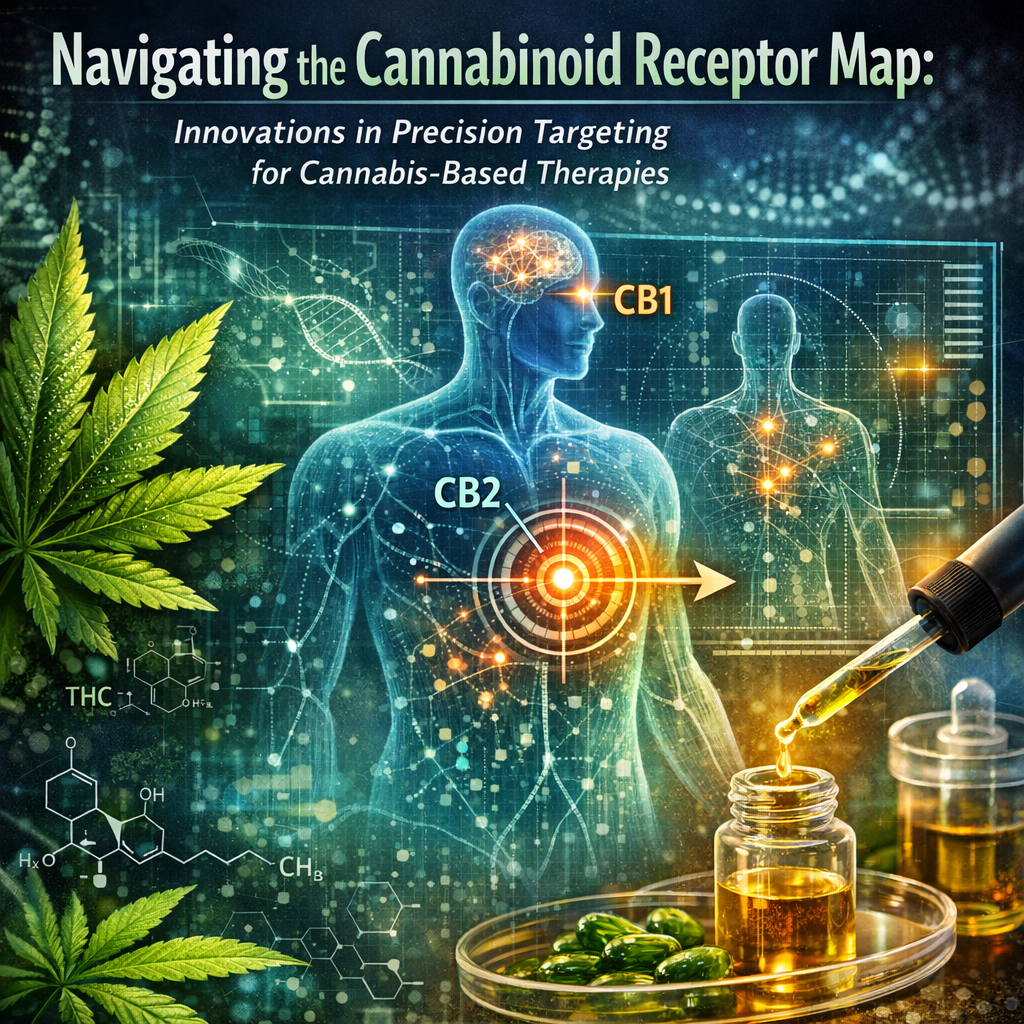
Its pharmacodynamics suggest it may interact not just with CB1 and CB2 receptors, but also with PPAR-γ and TRP channels, offering pathways to reduce inflammation, oxidative stress, and neuronal damage. These mechanisms are particularly important for individuals affected by chronic neurodegenerative diseases such as Alzheimer’s disease, Parkinson’s disease, and multiple sclerosis (MS).
As interest in next-generation cannabinoids increases, CBT could soon emerge as a crucial component of the medical cannabis toolkit.
Mechanisms of Action and Current Understanding
The pharmacodynamic behavior of Cannabitriol is still under exploration. As a tricyclic cannabinoid, it shares structural elements with Δ9-THC but includes extra hydroxyl groups that appear to reduce psychoactivity and possibly enhance therapeutic benefits.
Early computational models suggest that CBT functions as a partial agonist or modulator at CB1 and CB2 receptors. Unlike THC—which can overstimulate CB1 receptors leading to psychoactive effects—CBT’s partial activity might allow therapeutic benefits without triggering a “high.” Additionally, it is theorized that CBT modulates downstream pathways involved in neuroinflammation and oxidative stress, pivotal contributors to neurodegeneration.
Beyond the ECS, CBT appears to activate PPAR-γ receptors, which are instrumental in modulating mitochondrial function, energy balance, and neuroinflammation. In diseases like Alzheimer’s, where altered metabolism and inflammation prevail, this interaction could play a neuroprotective role.
CBT may also influence TRP channels such as TRPV1 and TRPA1, which are involved in sensing pain, heat, and oxidative stress. By modulating these receptors, CBT may exert an antioxidant effect, further contributing to neuronal protection and cellular longevity.
Emerging Medical and Professional Studies on CBT
Although human clinical data on Cannabitriol are still in early stages, several laboratory and animal studies provide promising leads:
– A 2019 study by ElSohly et al. published in the Journal of Natural Products successfully identified and quantified CBT using improved chromatography and mass spectrometry techniques. This foundational work makes practical investigation of CBT more accessible to labs.
– In 2021, a study in Frontiers in Pharmacology analyzed the potential of rare cannabinoids like CBG and CBC in neurodegenerative pathways. Although CBT was not the primary focus, the study suggested its structural and functional resemblance to neuroprotective cannabinoids makes it a target for further research.
– A 2023 white paper by Cannabotech, a pharmaceutical cannabinoid company, reported ongoing trials in which CBT enhanced antioxidant activity and decreased neural inflammation in mice. While full datasets have not yet been released, the findings point toward CBT’s tangible pharmacological activity.
– An article published in PPAR Research also supports the involvement of cannabinoids like CBT in activating PPAR-γ pathways, further reinforcing the hypothesis that CBT can regulate inflammation and mitochondrial dynamics.
Additionally, several biotech companies are now filing patents on CBT-related pharmaceutical formulations, an indicator of growing commercial and scientific interest.
Conclusion
Cannabitriol (CBT) is emerging as a potential powerhouse among rare cannabinoids with a significant role in neurodegenerative disease research. Although early in its path to therapeutic adoption, CBT has shown early promise through its interactions with CB1/CB2 receptors, PPAR-γ nuclear receptors, and TRP channels.
With antioxidant, anti-inflammatory, and neuroprotective potential, CBT holds relevance for modern cannabinoid therapeutics, especially those aiming to sidestep the psychoactive downsides of THC. As more rigorously designed studies and clinical trials come to light, CBT could soon go from scientific curiosity to a cornerstone of neurological care.
Concise Summary
Cannabitriol (CBT) is a rare, non-intoxicating cannabinoid with emerging therapeutic potential, particularly for neurodegenerative disorders like Alzheimer’s and Parkinson’s. Distinct from THC, CBT modulates CB1 and CB2 receptors, and also interacts with PPAR-γ and TRP channels, offering potential antioxidant and anti-inflammatory effects. Although human research remains limited, preclinical studies indicate that CBT may play a key role in reducing neural inflammation and oxidative damage. Ongoing studies and increasing pharmaceutical interest suggest CBT may soon become a vital component in cannabinoid-based medical treatments.
References
– ElSohly, M.A., et al. (2019). Cannabinoid constituents of Cannabis sativa. Journal of Natural Products.
– Frontiers in Pharmacology. (2021). Minor Cannabinoids and their therapeutic potential on neurodegeneration. Frontiers in Pharmacology.
– Cannabotech. (2023). Cannabotech R&D White Paper.
– PPAR Research. (2021). PPAR activation by cannabinoids: Understanding pathways for neuroinflammation.