Cannabinoid-Based Anticonvulsants: Mechanisms of Action for Dravet and Lennox-Gastaut Syndromes
Introduction
Severe childhood-onset epileptic syndromes like Dravet Syndrome (DS) and Lennox-Gastaut Syndrome (LGS) represent some of the most challenging neurological conditions. Characterized by frequent, intense seizures and significant developmental delays, these syndromes frequently resist standard anticonvulsant therapies. In this context, interest in **cannabinoid-based anticonvulsants**—particularly cannabidiol (CBD)—has surged.
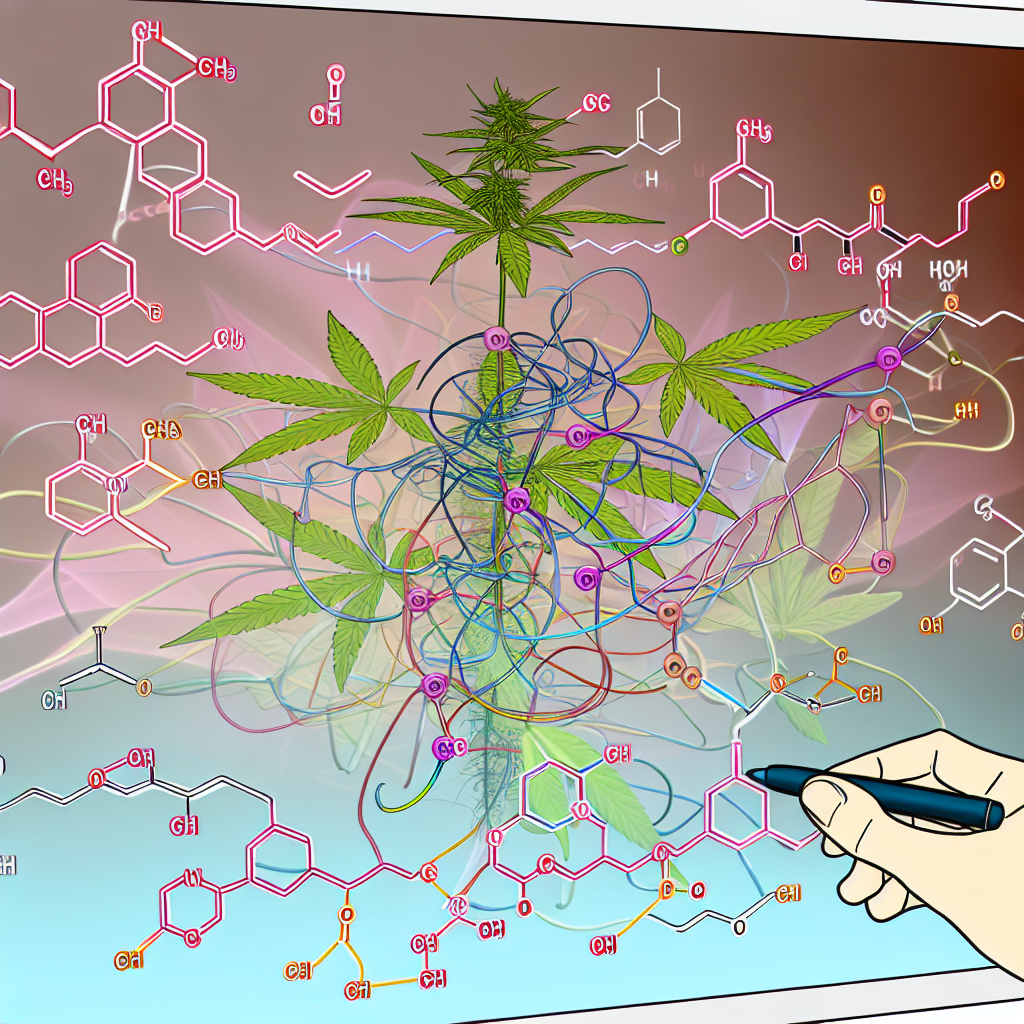
Cannabinoids are active compounds found in the Cannabis sativa plant and interact with the body’s endocannabinoid system (ECS), which plays a critical role in regulating neuronal signaling and maintaining balance in the central nervous system. Among these compounds, CBD has demonstrated promising anticonvulsant properties without the psychoactive side effects associated with tetrahydrocannabinol (THC).
A transformative moment occurred in 2018 with the FDA approval of Epidiolex, a purified CBD oral solution, specifically for DS and LGS. This milestone validated the medical potential of cannabinoids and opened doors to further research and acceptance of these agents in mainstream clinical care.
DS, often linked to SCN1A gene mutations, and LGS, which involves multiple seizure types and cognitive impairments, are often refractory to traditional antiepileptic drugs (AEDs). These older therapies typically target single molecular mechanisms such as sodium channels or GABA receptors. In contrast, CBD interacts with multiple targets in the nervous system, setting it apart from conventional medications and offering broader anticonvulsant effects.
With growing clinical trials, laboratory research, and real-world studies, the evidence behind CBD and other **cannabinoid-based medications** continues to expand, offering hope to patients and families who previously had limited options.
Features: Current Research and Medical Studies
The science behind **CBD for epilepsy** has been rigorously evaluated in multiple clinical settings. One of the most significant studies was a Phase III randomized controlled trial published in the New England Journal of Medicine by Devinsky et al. (2017). This trial found that **CBD reduced convulsive seizures in patients with Dravet syndrome by 39%**, while the placebo group showed only a 13% reduction. This study catalyzed widespread recognition of cannabinoids as viable medical treatments.
Similarly, a trial by Thiele et al. (2018) focused on LGS and revealed that **CBD reduced drop seizures by 44%**, compared to a 22% reduction in the placebo group. Drop seizures are dangerous and severely impact quality of life, making this finding especially impactful.
From a scientific standpoint, **CBD’s anticonvulsant action** is unique. Unlike THC, CBD has a low interaction rate with classical cannabinoid receptors (CB1 and CB2). Instead, it exhibits activity across several alternative molecular targets:
– TRPV1 (transient receptor potential vanilloid type 1) channels, related to pain and temperature perception.
– GPR55 (G-protein coupled receptor 55), a receptor involved in excitatory neuronal signaling—CBD blocks GPR55, reducing excitatory neurotransmission and excessive calcium accumulation.
– Adenosine reuptake inhibition, which leads to increased adenosine levels and exerts a calming, anticonvulsant effect.
These multitarget mechanisms make CBD especially potent in addressing the complex pathophysiology of refractory childhood epilepsy.
A 2021 review by Ibeas Bih et al. in Frontiers in Pharmacology emphasizes CBD’s polypharmacology. Because it engages several pathways simultaneously, it may provide more robust and sustained seizure control compared to single-mechanism drugs.
Beyond clinical trials, real-world evidence supports these findings. A long-term study by Szaflarski et al. (2022) tracked patients over three years and showed that continued use of CBD therapy led to **sustained seizure reduction and quality-of-life improvements**, solidifying its place as a long-term therapeutic option.
Conclusion
Cannabinoid-based anticonvulsants have revolutionized the treatment of drug-resistant epilepsies, especially those as severe and complex as Dravet and Lennox-Gastaut syndromes. Through its broad-spectrum, multi-target mechanisms, **cannabidiol (CBD)** stands out as a highly valuable intervention. Supported by gold-standard clinical trials and a growing body of real-world data, CBD offers a **viable, well-tolerated, and effective therapeutic choice** for patients who previously had limited options. As research continues to unravel the full range of molecular mechanisms involved, cannabinoid pharmacology is poised to become a cornerstone in the care of intractable epilepsy.
Concise Summary
Cannabidiol (CBD), a non-psychoactive compound from Cannabis sativa, offers a transformative option for treating drug-resistant epileptic syndromes like Dravet and Lennox-Gastaut. Studies, including pivotal Phase III trials, show significant seizure reduction and good tolerability. Unlike traditional antiepileptic drugs, CBD acts via multiple receptors and channels, offering a broad-spectrum anticonvulsant effect. Long-term real-world data confirm its sustained efficacy and safety. With continued research, cannabinoid-based therapies are poised to redefine epilepsy treatment and improve outcomes for previously treatment-resistant patients.