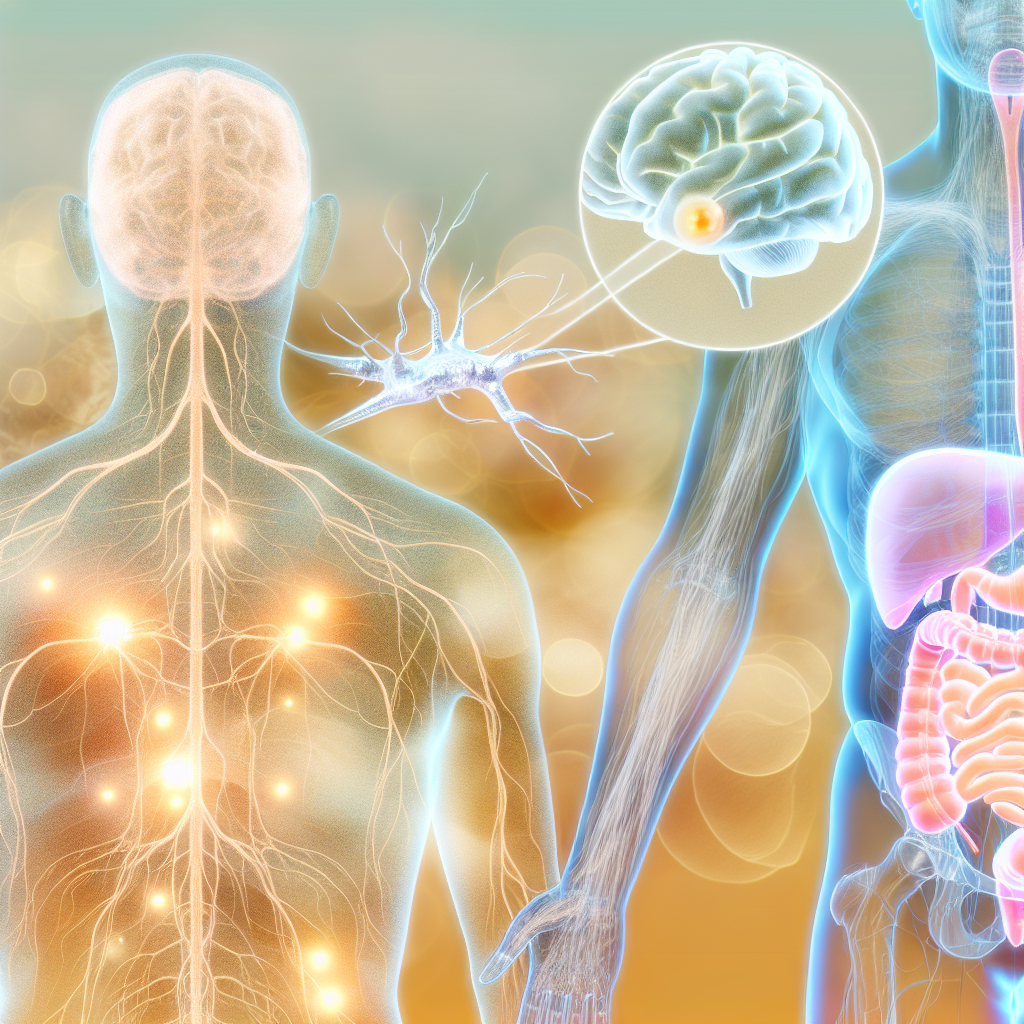
Cannabinoid Modulation of the Vagus Nerve: Therapeutic Pathways for Inflammation and Gut-Brain Communication
Introduction
In recent years, scientific interest has intensified around the complex interplay between the endocannabinoid system (ECS), the gut-brain axis, and the vagus nerve. As researchers continue to delve into the biological mechanisms behind chronic diseases, a more integrated understanding is emerging—one that connects inflammation, gastrointestinal (GI) function, and neurological health.
Central to this communication pathway is the vagus nerve, a fundamental part of the parasympathetic nervous system. It acts as an “information superhighway,” linking the brain with vital organs including the heart, lungs, and digestive tract. This bidirectional pathway facilitates real-time communication that regulates immune response, emotional wellbeing, and metabolic balance.
Cannabinoids—chemical compounds derived from cannabis, such as THC and CBD, along with endogenous cannabinoids like anandamide—interact with the ECS to influence numerous physiological processes. Increasing evidence suggests that these compounds may modulate vagus nerve activity either directly or indirectly, opening potential therapeutic pathways.
By stimulating or enhancing vagal tone, cannabinoids may help activate the “cholinergic anti-inflammatory pathway,” thereby reducing inflammation without the immunosuppressive effects of traditional medications. This provides a novel route for addressing a range of conditions driven by inflammation and autonomic dysregulation.
More specifically, gut-brain communication appears to benefit from this modulation. Dysfunction in this signaling loop has been linked to conditions such as irritable bowel syndrome (IBS), Crohn’s disease, anxiety, and depression. Targeted cannabinoid therapy may not only offer symptom relief but also restore homeostasis across multiple systems—something pharmaceutical drugs often fail to achieve without side effects.
This paradigm shift reframes chronic pain, mental health disorders, and GI pathology not as isolated issues, but as interconnected conditions tied to systemic imbalances in the ECS, the autonomic nervous system, and immune signaling. Although cannabinoid therapies remain under rigorous clinical scrutiny, the potential to harmonize these systems positions this treatment approach at the cutting edge of integrative medicine.
Scientific Findings and Professional Insights
Recent studies have deepened our understanding of how the vagus nerve interfaces with the endocannabinoid system to regulate inflammation, autonomic balance, and mental health. The vagus nerve functions as a critical conduit by relaying neuroimmune signals from the gut to the brain, playing a central role in maintaining hormonal, digestive, and immune system function.
A pivotal study from the National Institutes of Health in 2018 found that endogenous cannabinoids like anandamide and 2-AG can influence the activity of vagal afferent fibers through CB1 receptors located on vagal neurons. This receptor activation affects fundamental processes like satiety regulation, gastric motility, and neurotransmitter release.
Further insight was provided by a 2019 review in Frontiers in Neuroscience, which examined the cholinergic anti-inflammatory pathway. This work highlighted the efficacy of vagus nerve stimulation (VNS) in curtailing systemic inflammation. It emphasized how CBD may mimic or support this effect by boosting vagal tone, potentially reducing pro-inflammatory cytokines.
In animal studies, cannabinoids such as THC and CBD have been shown to affect heart rate variability (HRV), a recognized biomarker for parasympathetic nervous system activity. A 2020 study from the Journal of Cannabis Research found that cannabinoids improved HRV in stressed rodents, a sign of enhanced vagal tone and stress resilience.
Clinical trials also support the idea that cannabinoid intervention can improve outcome measures in GI disorders associated with vagal dysfunction. According to a 2021 study in Digestive Diseases and Sciences, cannabis use in Crohn’s disease patients was associated with improved bowel movement regularity, reduced abdominal pain, and enhanced quality of life. These beneficial effects are presumed to result from cannabinoid-induced modulation of vagal and immune function.
On the neurological side, mood disorders like anxiety and depression—conditions commonly linked to low vagal tone—have shown responsiveness to CBD treatment. A 2018 trial published in Neurotherapeutics evaluated CBD’s anxiolytic effects in patients with Social Anxiety Disorder and found substantial symptom diminution, likely mediated by elevated vagal activity and ECS balance.
When amassed, the findings suggest a therapeutic strategy where vagus nerve modulation via cannabinoids can simultaneously address both immune dysregulation and neurochemical imbalances. However, more rigorous trials are essential to establish precise protocols—ranging from dosage to delivery methods—that can reliably produce desired clinical outcomes in targeted populations.
Conclusion
The therapeutic potential of cannabinoids extends beyond symptom control—it demonstrates promise as a regulatory force affecting systemic balance through the vagus nerve. By influencing the autonomic nervous system and enhancing the body’s ability to suppress inflammation, cannabinoids tap into a neural-immune dialogue pivotal for treating chronic diseases.
A growing body of evidence supports the role of vagus-cannabinoid synergy in conditions such as IBD, IBS, anxiety, depression, and even neurodegenerative diseases. While the path forward demands further research and refinement, this evolving paradigm offers a powerful fusion of ancient plant-based medicine and modern neuroimmunology.
Concise Summary
Cannabinoids may therapeutically modulate the vagus nerve, a core component of the parasympathetic nervous system, to regulate inflammation and gut-brain communication. Emerging research shows that compounds like CBD and THC can enhance vagal tone, reduce inflammatory responses, and improve mood and gastrointestinal symptoms. This offers promising treatment avenues for chronic conditions such as IBD, IBS, anxiety, and depression. Through interaction with the endocannabinoid system and vagal nerve pathways, cannabinoid therapies could redefine our approach to systemic imbalance, blending modern neuroscience with holistic medicine. However, clinical validation and optimized protocols are necessary for broader implementation.
References
1. National Institutes of Health. “Endocannabinoid signaling and autonomic regulation.” https://pubmed.ncbi.nlm.nih.gov/29772331/
2. Frontiers in Neuroscience. “Vagus Nerve Stimulation and the Inflammatory Reflex.” https://www.frontiersin.org/articles/10.3389/fnins.2019.00322/full
3. Journal of Cannabis Research. “Cannabidiol administration and heart rate variability in animal models.” https://jcannabisresearch.biomedcentral.com/articles/10.1186/s42238-020-00023-0
4. Digestive Diseases and Sciences. “Cannabis Use and its Effect on Crohn’s Disease.” https://link.springer.com/article/10.1007/s10620-021-06794-1
5. Neurotherapeutics. “Cannabidiol as a Potential Treatment for Anxiety Disorders.” https://link.springer.com/article/10.1007/s13311-019-00748-x