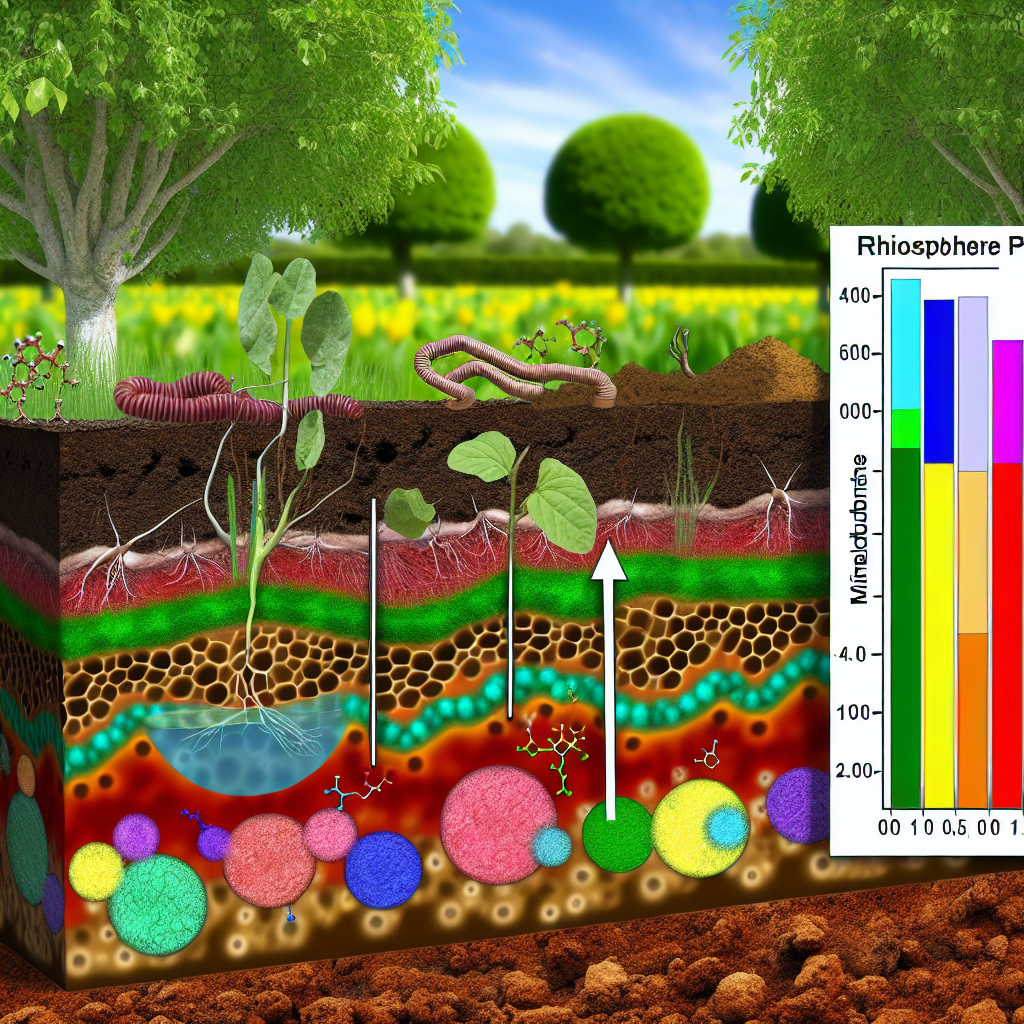
Managing Rhizosphere pH in Organic Living Soil: The Role of Microbial Activity and Mineral Buffers
Introduction
As **cannabis cultivation** evolves, growers are shifting from **synthetic fertilizers** toward more sustainable practices, such as **organic living soil systems**. These systems, often called the **“soil food web”**, foster a balanced ecosystem that enhances plant health through natural processes. Central to this system is the rhizosphere—the narrow region of soil directly influenced by root secretions and associated microorganisms.
One of the most critical yet often overlooked environmental variables in this region is pH, a key determinant of nutrient availability, microbial viability, and overall plant health. Unlike general soil pH, rhizosphere pH is dynamic, constantly shifting with biological activity, nutrient uptake, and microbial metabolism.
In synthetic systems, growers manipulate pH using chemical additives. However, in **organic living soil**, adjusting pH depends heavily on natural ecological balance, including the interactions of microbial communities and mineral components. This makes **maintaining pH between 6.0 and 7.0** especially challenging but vital for optimal nutrient uptake in cannabis.
What makes this organic approach particularly appealing for cannabis growers is its ability to improve **flavor profiles, terpene expression**, sustainability, and root health. Yet, even the most microbially active soils can produce poor results if pH balance is not properly maintained. A misbalanced pH can lock out key nutrients like **phosphorus**, **magnesium**, and **calcium**, making them unavailable to the plant, thereby stunting growth and reducing yields. Microbial populations—which drive nutrient cycling and help prevent disease—are equally sensitive, with significant shifts in pH potentially leading to die-offs or dormancy.
This article explores how cultivators can **naturally regulate pH in the rhizosphere**, examining the interconnected roles of microbial activity and **mineral buffers** such as biochar, basalt rock dust, and calcium carbonate. Thorough understanding of these systems provides professional growers with the tools needed to optimize results without synthetic aids.
Microbial Activity and Rhizosphere pH
Scientific research increasingly highlights the powerful influence of microbial communities on chemical processes within the rhizosphere. A comprehensive 2019 study published in Frontiers in Microbiology revealed that **rhizobacteria** and **mycorrhizal fungi** modulate rhizosphere pH through several natural processes:
– Nitrogen fixation
– Phosphate solubilization
– Organic acid secretion
For example, microbial metabolism of organic matter regularly releases **carbon dioxide (CO₂)**. In soil, CO₂ reacts with water to form **carbonic acid**, temporarily lowering pH and aiding in solubilizing hard-to-access nutrients like **phosphorus** and **iron**.
Conversely, certain microbes—primarily **ammonia-oxidizing bacteria**—raise pH by converting **ammonium (NH₄⁺)** into **nitrate (NO₃⁻)** in the process of nitrification. This reaction releases **hydroxide ions (OH⁻)**, increasing the local pH. Managing this microbial balance is critical since both acidic and alkaline activities can occur simultaneously, each impacting nutrient availability and microbial comfort zones.
Cultivators can influence microbial populations by adding **high-quality composts**, **microbial inoculants**, and **fermented plant extracts**, encouraging the right kinds of microbial processes to maintain a beneficial pH range.
Mineral Buffers in Soil pH Stabilization
While microbial activity dynamically alters pH, certain **soil minerals** serve as anchors, preventing extreme fluctuations. These mineral buffers act over the long term and help keep rhizosphere pH within ideal limits despite microbial outputs.
Common and effective mineral buffers include:
– Calcium carbonate (lime)
– Basalt rock dust
– Biochar
A 2021 study published in the Journal of Environmental Management confirmed that **basalt dust** increased the **cation exchange capacity (CEC)** and maintained stable pH across multiple grow cycles. This directly translates to increased nutrient retention and availability in organic systems.
Biochar, produced by pyrolizing organic biomass in low-oxygen environments, provides both chemical and structural benefits. With its **naturally alkaline pH**, biochar helps neutralize microbial acidification, supports beneficial bacteria, and boosts water retention and aeration. According to a 2020 meta-analysis in Agronomy, biochar enlarges a soil’s **buffering capacity** and facilitates a diverse microbial community essential for plant immunity and resilience.
Limestone (calcium carbonate), a traditional amendment, balances acidic effects over time, gradually dissolving into the soil and neutralizing hydrogen ions.
The Role of Phosphorus-Solubilizing Bacteria
An often underestimated but crucial group of microbes in pH management are **phosphorus-solubilizing bacteria (PSBs)**. These bacteria release **organic acids** into the rhizosphere, which serve two primary roles:
1. Lowering rhizosphere pH to dissolve bound phosphorus compounds.
2. Enhancing overall nutrient uptake efficiency.
For cultivators deploying **compost teas**, **fermented fruit juices**, or **commercial microbial blends**, incorporating PSB strains can result in more bioavailable nutrients without the risk of over-fertilization. Their ability to fine-tune rhizosphere pH while improving phosphorus availability makes them indispensable in organic marijuana cultivation.
Integrated pH Management Strategy
The most effective pH management approach combines the **short-term effects of microbial processes** with the **long-term buffering action of minerals**. By establishing a healthy, stable microbial population while integrating appropriate buffer amendments, growers can avoid dramatic pH fluctuations that impair plant and microbial vitality.
This integration supports:
– Nutrient cycling efficiency
– Root development
– Microbial diversity
– Cannabis terpene and cannabinoid expression
By eliminating reliance on synthetic pH-balancing chemicals, cultivators not only reduce environmental impact but also enhance **soil regeneration**, paving the way for improved yields with superior quality.
Conclusion
Maintaining balanced **rhizosphere pH** in organic living soil requires a dynamic, natural approach—leveraging the complementary strengths of microbial activity and **mineral buffering agents**. For cannabis cultivators aiming for soil health, long-term sustainability, and top-tier bud production, understanding the synergy between microbes and minerals is not optional—it’s essential.
When well-managed, these systems result in more than just vigorous plants—they yield ecosystems that self-regulate and thrive season after season.
References
– Frontiers in Microbiology (2019): Influence of Root Exudates on Rhizosphere Microbial Communities
– Journal of Environmental Management (2021): The Effects of Rock Dust on Soil Properties and Crop Productivity
– Agronomy (2020): Effects of Biochar on Soil pH and Microbial Dynamics
– Lehmann, J., & Joseph, S. (2015): Biochar for Environmental Management
For the latest tips on sustainable cannabis cultivation, visit Bluntys.com
100-Word Summary
Managing rhizosphere pH in organic living soil is critical for healthy cannabis cultivation. Unlike synthetic methods, organic systems depend on naturally-balanced microbial activity and mineral buffering to maintain pH between 6.0 and 7.0. Beneficial bacteria and fungi regulate pH through organic acid secretion and nitrogen cycling, while mineral buffers—like biochar, basalt dust, and calcium carbonate—provide long-term pH stability. Together, these forces foster nutrient availability, microbial vitality, and plant resilience. Understanding this microbial-mineral synergy allows growers to enhance flavor, terpene expression, and yields sustainably, reducing reliance on chemical inputs and strengthening the long-term fertility of their living soil systems.