Nanoencapsulation of Cannabinoids using Solid Lipid Nanoparticles (SLNs): A Technical Formulation Guide
Introduction
As cannabinoids continue to gain traction in both therapeutic and wellness sectors, the scientific community is concentrated on improving their delivery methods. Lipophilic compounds like cannabidiol (CBD) and tetrahydrocannabinol (THC) have poor water solubility, resulting in low and inconsistent oral bioavailability. To address this challenge, researchers are turning to advanced drug delivery systems like nanoencapsulation via Solid Lipid Nanoparticles (SLNs).
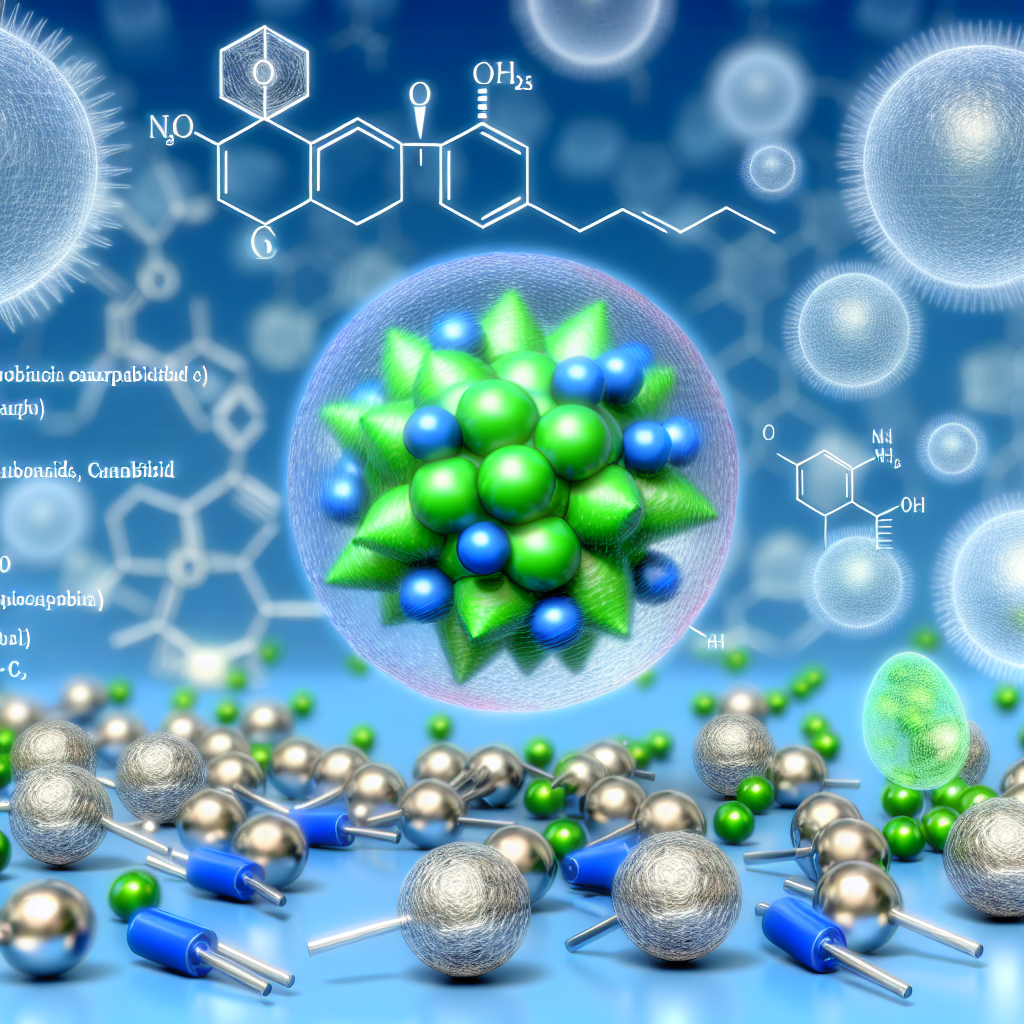
Nanoencapsulation involves enclosing bioactive molecules within nanoscale carriers—enhancing their stability, solubility, and absorption. SLNs, composed of a solid lipid matrix stabilized by surfactants, are ideal for carrying lipophilic substances like cannabinoids. These systems not only protect the cannabinoids from degradation but also facilitate improved absorption across biological barriers.
In cannabis formulation, SLNs address key issues such as:
– Low oral bioavailability: SLNs protect cannabinoids during digestive transit, promoting lymphatic absorption rather than being degraded through first-pass liver metabolism.
– Environmental sensitivity: Cannabinoids degrade easily when exposed to oxygen, light, and heat. SLNs act as a protective barrier, extending shelf life and reducing the need for preservatives.
Commercially, SLNs are scalable and compatible with industrial nanotechnology techniques like high-pressure homogenization and ultrasonication. These methods fine-tune particle size, zeta potential, and encapsulation efficiency. This customization provides manufacturers and researchers the flexibility to develop targeted and effective cannabinoid delivery solutions.
From infused beverages to fast-acting sublinguals and targeted medical formulations, SLNs offer a versatile, technologically advanced approach to cannabinoid drug delivery that aligns with both consumer demand and regulatory standards.
Key Features and Applicable Research
Several key studies have confirmed the value of SLNs for cannabinoid delivery:
– A study published in the International Journal of Pharmaceutics (PubMed, 2020) revealed that SLN-encapsulated CBD and THC had a 5-fold increase in plasma concentration and improved pharmacokinetics over standard oral forms. These findings strongly suggest SLNs can drastically improve therapeutic efficacy and consistency.
– Another study in the journal Molecules (2021) showed that SLNs encapsulated CBD with over 85% efficiency. These SLNs protected CBD from ultraviolet and oxidative degradation and achieved more consistent topical absorption when compared to traditional creams.
Formulating cannabinoids into SLNs involves precise selection of both the lipid and surfactant components:
– Common lipids include glyceryl monostearate, stearic acid, and cetyl palmitate.
– Stabilizers like polysorbate 80 and lecithin are used to prevent nanoparticle aggregation.
– Particle sizes are optimized in the 100–300 nm range, ensuring optimal tissue distribution and avoiding rapid immune clearance.
The preferred production method is High-Pressure Homogenization (HPH)—a scalable and temperature-controlled process for forming uniform particles while protecting heat-sensitive cannabinoids.
An emerging innovation is dual-drug loading. SLNs can co-encapsulate cannabinoids with synergistic pharmaceuticals like ibuprofen to treat chronic inflammation and pain. A 2022 study in Frontiers in Pharmacology illustrated reduced systemic inflammation and better patient outcomes with CBD-ibuprofen SLNs.
Advanced SLN systems are also being engineered for targeted drug delivery. By modifying the nanoparticle surface with ligands for CB1 or CB2 receptors, researchers aim to concentrate cannabinoids in areas affected by conditions like epilepsy, neurodegenerative diseases, or cancer. This specificity can reduce side effects and optimize dosing.
On the regulatory front, government agencies are recognizing the importance of nanotechnology in pharmaceuticals. Agencies such as the FDA and European Medicines Agency (EMA) have released initial guidance documents for evaluating nanomedicines, a step forward in standardizing and approving SLN-based cannabinoid products for clinical and commercial use.
Conclusion
Nanoencapsulation with Solid Lipid Nanoparticles marks a cutting-edge evolution in cannabinoid delivery. With benefits like improved bioavailability, enhanced stability, and tailored drug release, SLNs open new avenues across medical and consumer cannabis sectors. Their ability to support co-encapsulation, site-specific delivery, and scalable production makes SLNs a promising solution for the future of cannabis therapeutics.
Professionals seeking to innovate in the fast-growing cannabis product space will find SLNs to be versatile and efficient, capable of meeting consumer expectations for fast-acting, reliable, and potent cannabinoid products.
Concise Summary
Cannabinoids like CBD and THC face limitations such as low bioavailability and environmental instability. Nanoencapsulation with Solid Lipid Nanoparticles (SLNs) offers a robust solution by enhancing absorption, protecting compounds, and enabling targeted delivery. SLNs are scalable, biocompatible, and adaptable for oral, topical, and co-encapsulation applications. Supported by research and evolving regulations, SLNs stand at the forefront of advanced cannabinoid formulation, ideal for both therapeutic and consumer cannabis products.
References
1. PubMed – Enhancing bioavailability through nanoencapsulation
2. Molecules Journal – CBD-loaded SLNs development
3. Frontiers in Pharmacology – Co-encapsulation with CBD
4. International Journal of Nanomedicine – Advances in SLN technology
5. FDA Guidance on Nanotechnology
6. EMA Reflection Paper on Nanomedicines