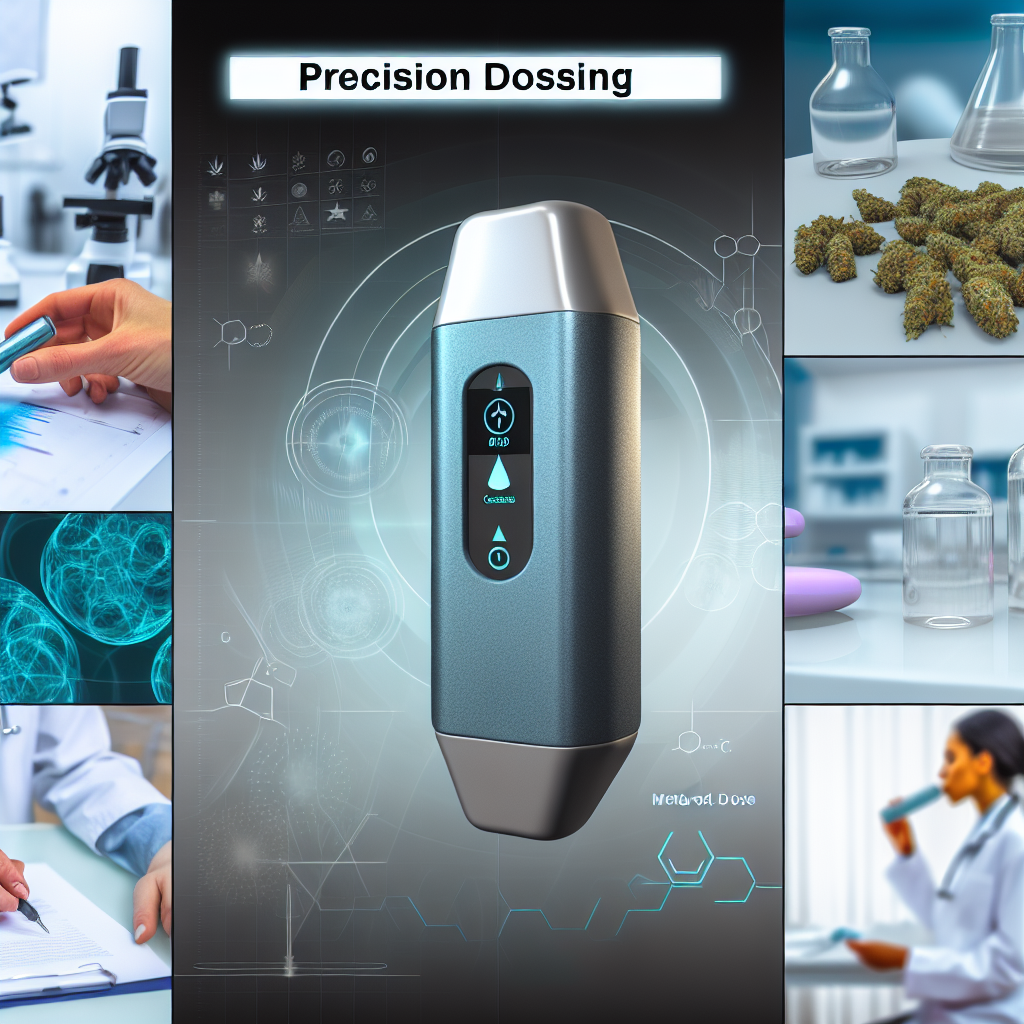
Precision Dosing with Cannabis Inhalers – Metered-Dose Technology for Medical Applications
Introduction
With ongoing advances in cannabis delivery systems and rising demand for dosing accuracy in medical cannabis treatment, cannabis inhalers have emerged as a clinician-recommended alternative to traditional methods. Modeled after common asthma inhalers, metered-dose inhalers (MDIs) are transforming both patient application and medical industry standards.
Traditional methods such as smoking, vaping, and cannabis edibles lack consistent dosing, leading to variable effectiveness, delayed onset times, and unreliable relief—especially problematic in clinical settings. Metered-dose technology delivers accurate, fast-acting doses of cannabinoids directly to the lungs, bypassing the digestive process and enabling effect onset within minutes.
Cannabis MDIs utilize pressure-activated canisters to facilitate precise micro-dosing, offering major benefits for patients managing conditions such as chronic pain, anxiety, epilepsy, PTSD, cancer-related symptoms, and various inflammatory disorders.
Unlike combustion-based methods, MDIs deliver aerosolized cannabinoids, reducing exposure to high heat, smoke irritants, and toxic byproducts commonly created during smoking or traditional vaping. This approach more closely mirrors pharmaceutical drug delivery, streamlining physician recommendations and dosage planning. As acceptance of medical cannabis grows, inhalers bridge the gap between conventional healthcare and cannabinoid therapy.
Discreet, odorless, and smokeless, these inhalers are particularly advantageous in social or professional environments where cannabis use stigma persists. As the cannabis sector increasingly overlaps with mainstream health and wellness markets, demand for precision-driven devices like inhalers is anticipated to grow significantly.
Backed by emerging clinical data and regulatory advancements, MDIs are redefining how cannabis is incorporated into modern medicine.
Features and Medical Research Applications
One of the key innovations of cannabis metered-dose inhalers is their ability to control and reduce variability in dosage. Multiple studies, including a 2020 analysis in the Journal of Pain Research, show that accurate dosage control is crucial for predictable symptom management, particularly for chronic pain patients. Traditional methods such as smoking or ingesting cannabis can have wide variations in bioavailability—ranging from 30% to 60%. MDIs can offer dosing precision within ±15% of the labeled value, a major advancement in treatment reliability.
An important advancement in this sector is led by Syqe Medical, which offers a medical-grade inhaler that delivers 500 micrograms of THC per inhalation with notable consistency and a low side effect profile. In a 2019 study published in the European Journal of Pain, patients using the Syqe Inhaler experienced clear pain relief with minimal psychoactive effects. Over 90% of participants significantly reduced their opioid usage within just three weeks.
Another major study from Columbia University Medical Center found that metered-dose administration of THC offered a fast onset of action—typically within 1 to 3 minutes—and a short, manageable duration, ideal for acute symptoms such as breakthrough pain. This is especially beneficial for patients in oncology or palliative settings where flexibility and prompt relief are essential.
In terms of absorption and processing, inhalers boast a superior pharmacokinetic profile. According to a 2021 review in Clinical Pharmacokinetics, inhaled THC reaches the bloodstream faster and with greater efficiency—exhibiting a 25–35% bioavailability rate. In contrast, cannabis edibles can take up to 2 hours for onset due to the digestive process and suffer from wide inter-individual variability caused by first-pass liver metabolism.
From a safety viewpoint, MDIs stand apart. Since they don’t involve combustion or high heat levels, there’s no production of harmful substances like benzene, tar, or toluene—common byproducts in smoking and low-quality vaporization. This makes MDIs ideal for patients with respiratory conditions such as asthma or COPD, who are otherwise restricted from cannabinoid therapy.
Additional gains are seen through the support of micro-dosing strategies. Many users, especially those managing anxiety or seeking daytime relief, benefit from low-dose, frequent administrations— an approach made possible by the exact dosage accuracy of inhalers. High doses of THC may sometimes exacerbate anxiety symptoms, underscoring the need for finely tuned delivery mechanisms.
As cannabis becomes a recognized part of integrative health practices, MDIs provide an accessible and physician-guided tool for expanding treatment options within evidence-based frameworks.
Conclusion
Cannabis metered-dose inhalers represent a major technological and clinical milestone in cannabinoid medicine. They offer patients immediate, safe, and standardized dosing—positioning the platform as a pharmaceutical-grade delivery system on par with traditional prescriptions. MDIs improve dosing predictability, support medical integrity, and reduce the variability that has long challenged cannabis therapy.
As physicians and healthcare systems embrace more science-backed cannabis solutions, MDIs offer not only therapeutic consistency but also patient empowerment. With expanding clinical data, government reforms, and medical community endorsement, cannabis inhalers are set to become a central tool in the future of integrative medicine.
Concise Summary
Cannabis metered-dose inhalers (MDIs) provide accurate, fast-acting cannabinoid delivery suitable for medical use. Unlike smoking or edibles, they ensure ±15% dose precision and avoid harmful byproducts. Ideal for chronic pain, anxiety, and cancer care, MDIs support micro-dosing, rapid onset (1–3 minutes), and improved bioavailability (25–35%). Backed by clinical research and used in medical settings, they enable physicians to create standardized, safe cannabis regimens. Discreet, odorless, and user-friendly, MDIs are transforming cannabinoid therapy into a precision-based medical treatment with wide patient and clinician appeal.
References
– Syqe Medical – Syqe Inhaler: Targeted Delivery of Medical Cannabis
– Abramovici & Mechoulam: Cannabinoids and Pain – European Journal of Pain, 2019
– Clinical Pharmacokinetics of THC – Springer, 2021
– Wilsey B: Inhaled Cannabis and Chronic Neuropathic Pain – Journal of Pain Research, 2020
– Columbia University Medical Center – Clinical Trial NCT03211974