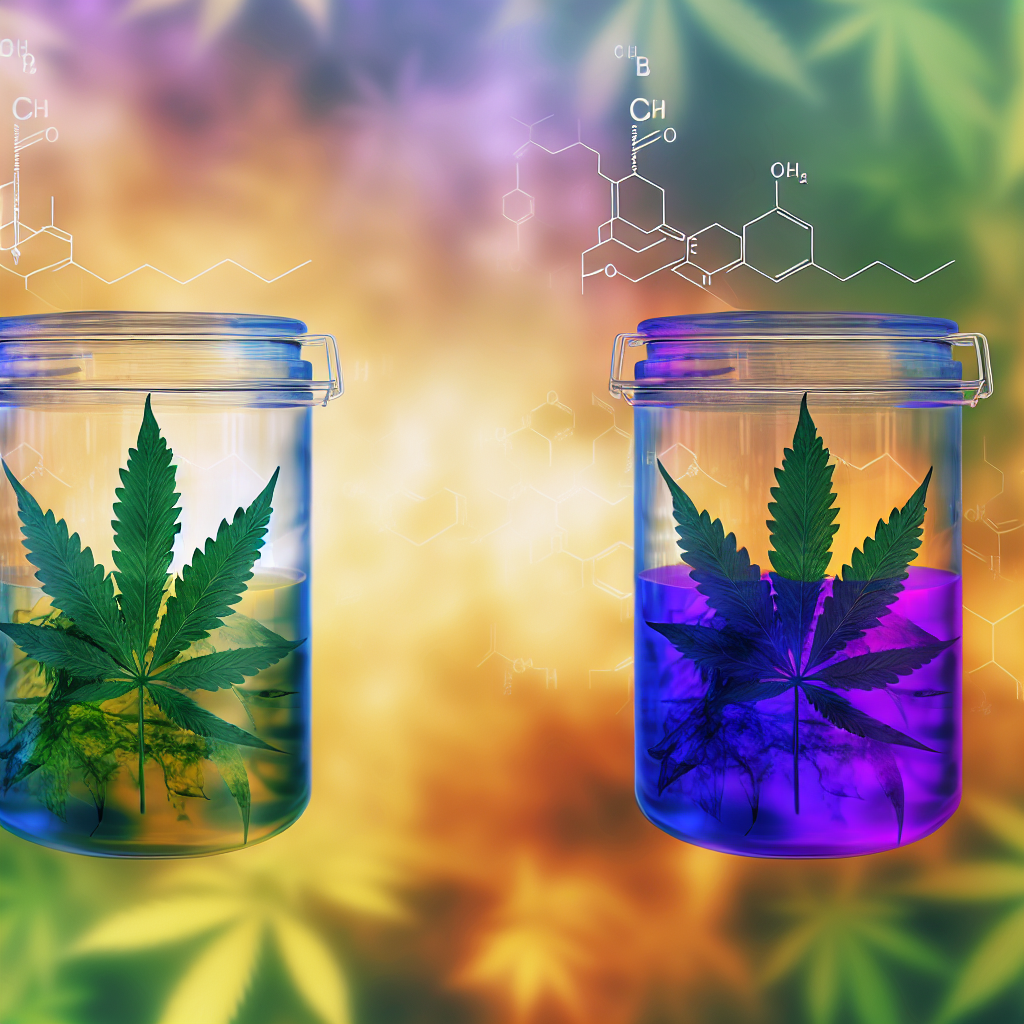
The Biochemistry and Stability of Cannabis Anthocyanins in Infused Products and Extracts
Introduction
Cannabis is renowned for its rich phytochemical profile, composed of cannabinoids, terpenes, and flavonoids. Among these, anthocyanins — a type of water-soluble flavonoid — are particularly noteworthy for their vibrant red, purple, and blue pigments. These compounds are also found in commonly consumed fruits like blueberries and blackberries, offering potent antioxidant, anti-inflammatory, and possible neuroprotective benefits. In cannabis, anthocyanins are found in pigmented cultivars, typically most vibrant under cooler temperatures or stress-inducing growth conditions.
As the demand for full-spectrum, whole-plant formulations rises, anthocyanins are gaining attention beyond their aesthetic appeal. Modern consumers and medical patients alike are turning to products formulated not just for THC or CBD, but also for a spectrum of therapeutic compounds including secondary metabolites like flavonoids.
Understanding the biochemistry behind anthocyanins is vital for growers and formulators. These compounds are synthesized within the flavonoid biosynthetic pathway, involving key enzymes like chalcone synthase (CHS) and anthocyanidin synthase (ANS). They are stored in the vacuole of plant cells, and their chemical stability is influenced by environmental factors — particularly pH, temperature, light, and oxygen exposure — all of which are critical in cannabis processing and product formulation.
However, anthocyanins degrade easily when subjected to heat, light, or unfavorable pH. These conditions, common during cannabis processing such as decarboxylation, pose a challenge to manufacturers looking to retain both the visual vibrancy and bioactivity of these molecules. Fortunately, modern techniques such as microencapsulation, low-heat extraction, and pH-controlled formulation show promise for preserving anthocyanin content over the end-product lifecycle.
Producers, extractors, and even breeders all have a role in leveraging this underutilized resource. Today, the push is not only toward more beautiful and colorful cannabis strains for aesthetic consumer appeal but also toward therapeutic applications that capitalize on flavonoid synergy, or the “entourage effect.”
Features and Scientific Insights
Scientific studies continue to expand our understanding of anthocyanins in cannabis and related botanical systems. A 2018 study in the journal Frontiers in Plant Science provided insights into the genetic regulation of anthocyanin biosynthesis and their responsiveness to stress factors like light intensity and temperature — a theory substantiated by visibly pigmented cannabis cultivars such as Purple Kush and Granddaddy Purple. [(Read Study)](https://www.frontiersin.org/articles/10.3389/fpls.2018.01024/full)
Cannabis researcher Dr. Ethan Russo has emphasized the importance of integrating minor phytochemicals such as anthocyanins in cannabis formulations, citing their potential for increased therapeutic efficacy via the entourage effect. [(Learn more)](https://www.ncbi.nlm.nih.gov/pmc/articles/PMC3165946/)
One challenge in realizing therapeutic benefit is the low oral bioavailability of anthocyanins. A comprehensive review in the journal Molecules revealed that while intact anthocyanins are minimally absorbed, their metabolites may still offer significant physiological benefits. This suggests the necessity for advanced delivery methods such as nanoparticle encapsulation or pH-sensitive liposomes to optimize absorption and bioavailability. [(View Review)](https://www.mdpi.com/1420-3049/25/17/3867)
Anthocyanins display the most stability in acidic formulations (typically between pH 3–4), which is highly relevant for cannabis-infused beverages and tinctures. However, processes involving high heat — such as distillation or pasteurization — lead to significant degradation. A 2020 study in Food Chemistry found that encapsulation technology was effective in preserving anthocyanins during formulation, extending their antioxidant activity and visual color impact in food-based products. [(Explore Study)](https://www.sciencedirect.com/science/article/abs/pii/S0308814620314075)
Interestingly, beyond their consumption benefits, anthocyanins might serve protective functions for the cannabis plant itself. Research from the University of Guelph has shown that these pigments may offer UV protection and help prevent pest infestation, potentially extending post-harvest shelf life by offering antifungal and antimicrobial properties. [(Read Research)](https://www.sciencedirect.com/science/article/abs/pii/S0304423820300148)
From a branding and consumer-product perspective, purple-hued cannabis edibles — including gummies, tinctures, and beverages — may provide a unique dual benefit: they can attract attention due to their natural appearance and color, while delivering functional health properties. These include reduction in oxidative stress, anti-inflammatory effects for neuroinflammation, and supportive roles in cardiovascular health.
Conclusion
As the cannabis sector evolves into a functional wellness and therapeutics powerhouse, cannabis anthocyanins represent a promising yet underutilized class of bioactives. Their incorporation into formulations offers not only aesthetic benefits but also aligns with modern medical and nutraceutical demands for multi-compound synergy. For growers, extractors, and product developers, optimizing formulations to maintain anthocyanin stability could unlock higher therapeutic potential and greater market differentiation in both recreational and medical landscapes.
Concise Summary
Anthocyanins, the natural pigments responsible for red and purple hues in cannabis, offer health benefits such as antioxidant and anti-inflammatory effects. These compounds are gaining attention in full-spectrum cannabis products, though their instability to heat, light, and pH poses formulation challenges. Studies show promise in using microencapsulation and pH-stabilized environments to preserve anthocyanins, especially in beverages and edibles. Cultivars like Purple Kush highlight natural anthocyanin abundance, which may also protect plants from UV and pests. As consumer interest shifts to whole-plant wellness, understanding anthocyanin biochemistry allows for innovative product development with aesthetic and therapeutic appeal.
References
1. [Genetic regulation of anthocyanin biosynthesis – Frontiers in Plant Science](https://www.frontiersin.org/articles/10.3389/fpls.2018.01024/full)
2. [Taming THC: The entourage effect – PubMed Central](https://www.ncbi.nlm.nih.gov/pmc/articles/PMC3165946/)
3. [Anthocyanin bioavailability and effects – Molecules Journal](https://www.mdpi.com/1420-3049/25/17/3867)
4. [Stabilizing anthocyanins with encapsulation – Food Chemistry](https://www.sciencedirect.com/science/article/abs/pii/S0308814620314075)
5. [Anthocyanins and plant defense in cannabis – SciDirect](https://www.sciencedirect.com/science/article/abs/pii/S0304423820300148)