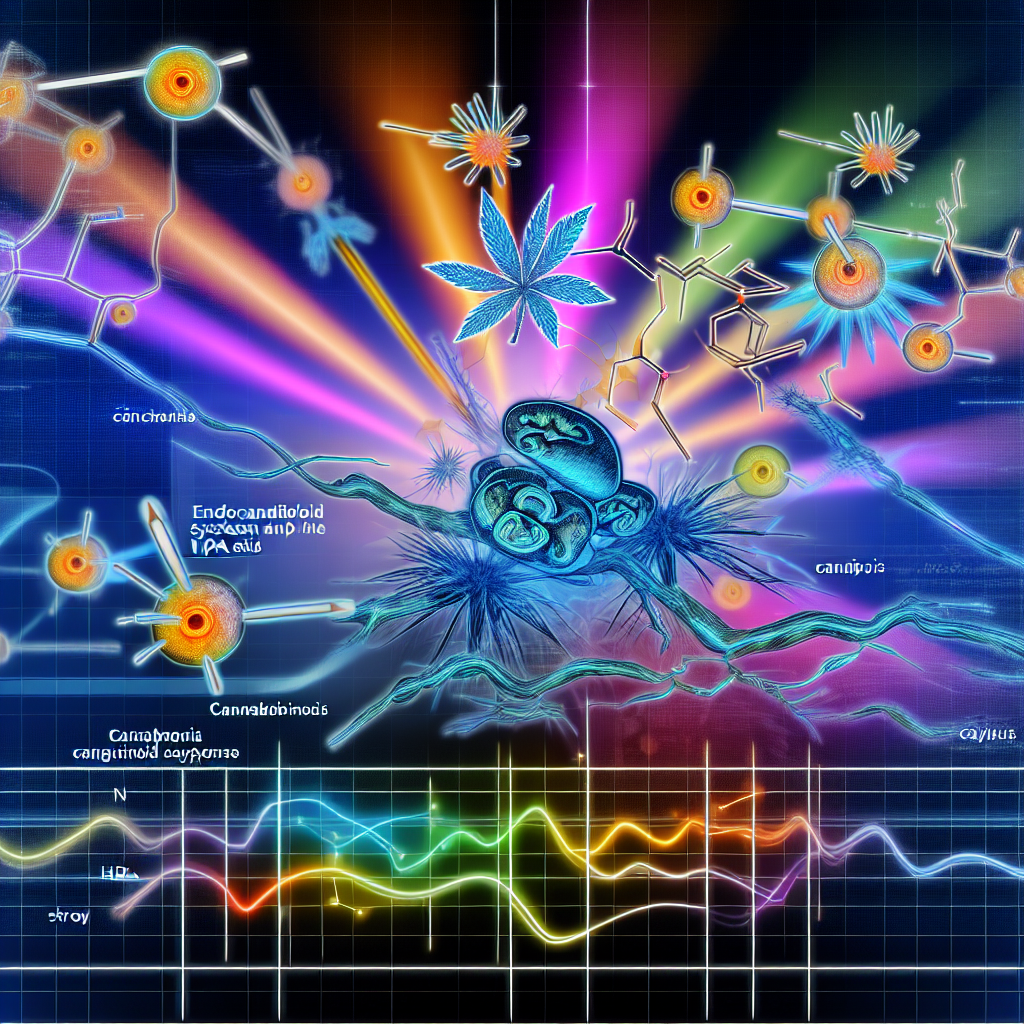
The Endocannabinoid System and the HPA Axis: Modulating Stress Response with Targeted Cannabinoid Therapy
Introduction
Chronic stress is emerging as one of the most significant health issues of the 21st century, linked to a multitude of physical and psychological conditions including anxiety, depression, cardiovascular problems, and impaired immune function. While standard treatments like cognitive behavioral therapy and pharmaceuticals continue to be widely utilized, there is growing interest in alternative approaches that regulate the body’s natural stress systems. Among the most promising is the synergistic relationship between the endocannabinoid system (ECS) and the hypothalamic-pituitary-adrenal (HPA) axis.
The ECS is a complex cell-signaling network responsible for maintaining internal balance, or homeostasis. It regulates crucial functions such as mood, pain perception, immune responses, and especially the body’s ability to handle stress. Meanwhile, the HPA axis governs the neuroendocrine responses to stress by initiating the release of hormones like cortisol—which, when chronically elevated, contribute to numerous health issues.
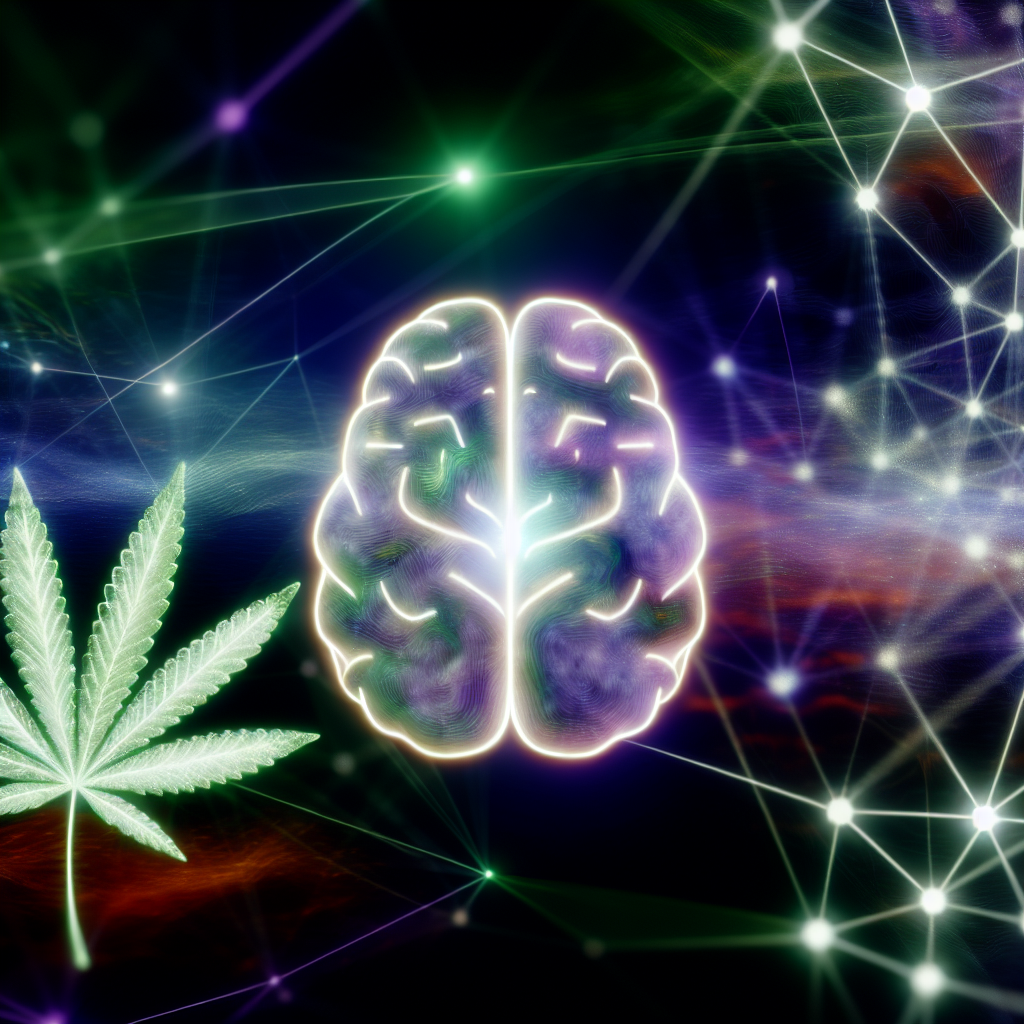
Research reveals that the ECS acts as a buffer for the HPA axis, helping to suppress excessive activation during stressful events. Disruptions in this balance are commonly seen in stress-related disorders like PTSD and depression. This biochemical link suggests that cannabinoids—from both endogenous sources and cannabis-derived compounds like CBD and THC—could offer new strategies in stress management by fine-tuning the ECS to regulate the HPA axis.
As cannabis research progresses, the potential of targeted cannabinoid therapy is gaining attention from health professionals and individuals seeking natural stress relief. This presents a unique opportunity to integrate plant-based medicine with cutting-edge neuroendocrinology for personalized well-being.
Features and Supporting Research
Extensive scientific research supports the notion that cannabinoid compounds significantly influence the body’s stress regulation mechanisms. This is achieved through the dynamic interaction between the endocannabinoid system and the HPA axis.
One pivotal study by the National Institutes of Health (NIH) demonstrated that activation of CB1 receptors—located primarily in brain regions associated with emotion and executive function—effectively blocks the release of corticotropin-releasing hormone (CRH) from the hypothalamus. This initial suppression halts the hormone chain that otherwise leads to adrenocorticotropic hormone (ACTH) release from the pituitary gland and cortisol release from the adrenal glands. Cannabinoids, therefore, can directly impact stress regulation at the hormonal level.
Further research highlights the specific role of cannabidiol (CBD). A 2019 double-blind clinical trial published in The Permanente Journal showed that patients consuming CBD reported significantly reduced anxiety levels and improved sleep quality. These improvements were partially attributed to CBD’s interaction with the ECS and its ability to normalize overactive HPA axis responses without producing psychoactive effects.
The effect of THC on the stress response appears to be dosage-dependent. According to a 2017 study in Drug and Alcohol Dependence, low doses of THC reduced both psychological and physiological responses to acute stress. In contrast, higher doses actually increased stress and anxiety, indicating a biphasic dose-response curve. This underscores the importance of precise dosing in cannabinoid therapy.
Animal studies also confirm the therapeutic potential of cannabinoids in chronic stress models. A study published in 2011 found that activation of CB1 receptors helped restore normal feedback inhibition in the HPA axis, resulting in decreased basal corticosterone (the rodent equivalent of cortisol) and improved outcomes in anxiety-related behavioral tasks. These findings further validate the idea that cannabinoids can recalibrate the body’s stress system at a foundational level.
The collective evidence from both clinical and pre-clinical research suggests a profound neurobiological interaction between the ECS and HPA axis. These insights have practical use in guiding the selection and application of cannabinoid-based supplements or medications to treat specific stress-related disorders. For medical practitioners, mental health professionals, and cannabis industry developers, understanding this mechanism is essential for designing effective, targeted treatments.
Conclusion
As our understanding of the interaction between the endocannabinoid system and the HPA axis deepens, the potential for using targeted cannabinoid therapy to manage stress-related disorders becomes increasingly viable. Cannabinoids such as CBD and low-dose THC have shown promise in reducing cortisol levels, restoring emotional balance, and enhancing resilience against chronic stress. As clinical research continues to expand, cannabinoid-based solutions may become integral components of modern stress management and mental health support.
For health professionals, patients, and wellness advocates, this growing body of evidence invites deeper exploration into how the modulation of physiological stress pathways via cannabinoid therapy could revolutionize the way we approach well-being in an increasingly stressful world.
Concise Summary
Chronic stress affects physical and mental health, driven by hormonal imbalances within the hypothalamic-pituitary-adrenal (HPA) axis. The endocannabinoid system (ECS) helps regulate the HPA axis, and research shows that cannabinoids like CBD and THC can effectively modulate stress responses. Low-dose THC and CBD may reduce cortisol, anxiety, and improve emotional stability. However, effects are dose-dependent and require precision. As understanding grows, targeted cannabinoid therapy offers a powerful, plant-based strategy for stress relief and emotional well-being.
References
– NIH Study: CB1 Receptors and Corticotropin-Releasing Hormone
– CBD in Anxiety and Sleep: A Large Case Series (Permanente Journal, 2019)
– Acute Stress and THC: Drug and Alcohol Dependence Study, 2017
– CB1 Receptor Activation in Chronic Stress Models