The Hidden Language of Cannabinoids: How Signal Transduction Pathways Could Unlock Smarter Strains
Introduction
**Cannabis**, a plant once vilified, is now emerging as one of the most versatile and potentially therapeutic organisms on the planet. As **legalization** gains momentum globally, interest in its chemical constituents—mainly **cannabinoids**—has surged. These naturally occurring compounds, such as **THC**, **CBD**, and others, interact intricately with the body’s **endocannabinoid system**, offering a plethora of **health benefits** ranging from pain relief to neuroprotection. However, the future of cannabis isn’t just about isolating individual cannabinoids; it’s about understanding how they communicate and influence each other through complex biological processes.
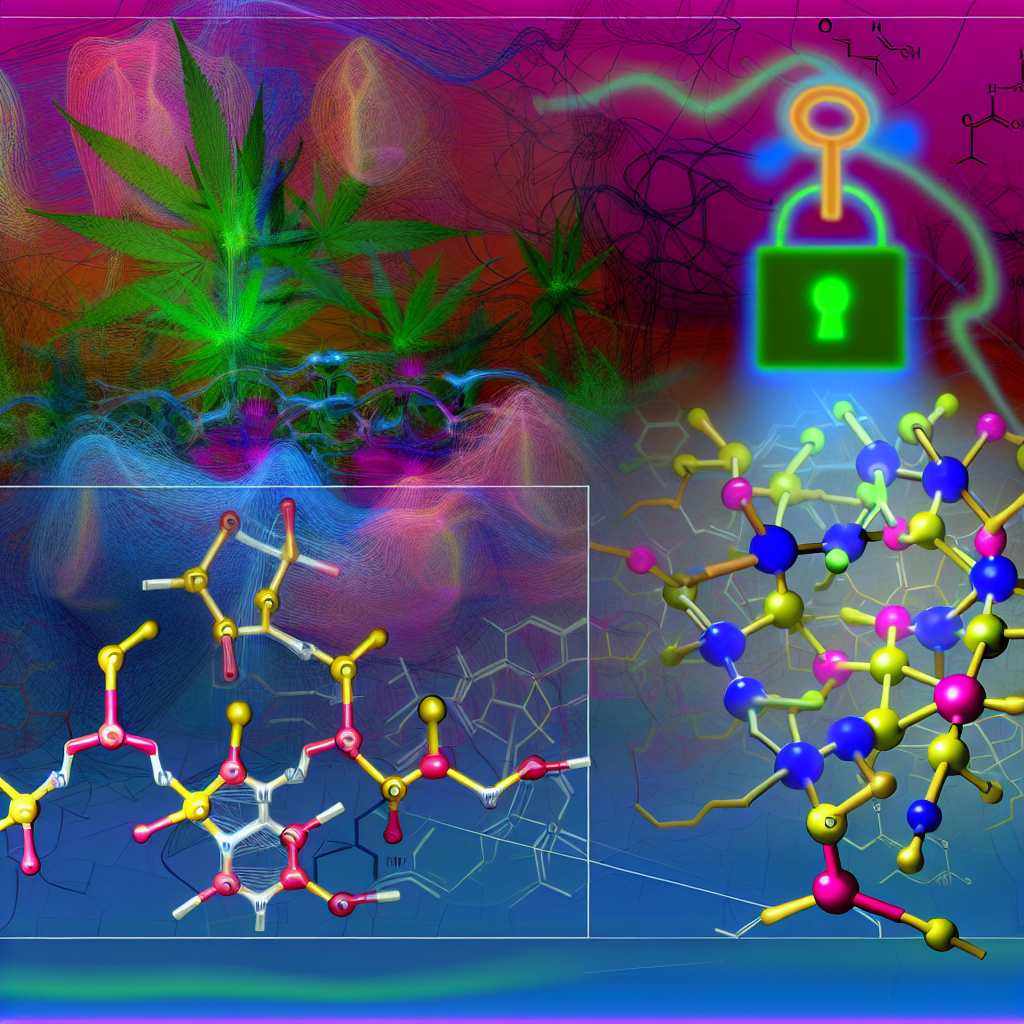
At the heart of this emerging field is the concept of **signal transduction pathways**—an intricate web of cellular messages that dictate how cells respond to various stimuli. These pathways serve as the body’s internal communication channels, translating external signals (like cannabinoid interaction) into specific cellular actions. By decoding the hidden language of cannabinoids within these pathways, researchers can potentially unlock more intelligent, tailored **cannabis strains** that offer enhanced therapeutic effects.
Current research is beginning to illuminate how different cannabinoids can modulate signal transduction pathways in ways that affect pain sensation, inflammation, and neural activity. For instance, studies show that certain cannabinoids can influence pathways like **MAPK/ERK**, which are crucial in cell growth and differentiation, hinting at cannabis’s potential role in cancer treatments ([PubMed Central Article](https://www.ncbi.nlm.nih.gov/pmc/articles/PMC3951193/)). This is just a glimpse into a future where cannabis doesn’t just treat symptoms, but targets specific cellular functions.
In this article, we will delve into the intricate relationship between cannabinoids and signal transduction pathways. With a focus on cutting-edge research, we aim to explore how these interactions could revolutionize not only the way we cultivate and consume cannabis but also how we perceive its role in therapeutic settings. Whether you’re a cannabis professional or a curious consumer, understanding this concealed dialogue could prepare you for the next frontier in cannabis science.
Features
The exploration of cannabinoids and their communication with cellular pathways is at the forefront of modern cannabis research. A study published in the “Journal of Biological Chemistry” sheds light on how cannabinoids interact with the **CB1** and **CB2 receptors**, triggering a cascade of signaling events that significantly impact physiological functions ([Journal of Biological Chemistry Article](https://www.jbc.org/article/S0021-9258(20)31048-7/fulltext)). These interactions offer insights into how smart strains could be engineered to optimize therapeutic effects while minimizing negative side effects.
Further, researchers have identified the **PI3K/Akt signaling pathway** as another critical intersection where cannabinoids exert powerful effects. This pathway is integral to cellular processes that govern growth and survival, suggesting potential applications in oncological settings ([Nature Reviews Cancer Article](https://www.nature.com/articles/nrc2530)). By modulating these pathways, cannabinoids might not only inhibit tumor growth but also enhance the body’s ability to fight cancer, marking a significant stride in medical cannabis applications.
Moreover, a study from “Brain Research” provides evidence of how cannabinoids can influence **neuroplasticity** through the modulation of signal transduction pathways. This could revolutionize treatments for neurodegenerative disorders such as **Alzheimer’s** and **Parkinson’s** ([Brain Research Article](https://www.sciencedirect.com/science/article/abs/pii/S0006899315000350)). Understanding these interactions at a molecular level paves the way for smarter strains specifically designed to enhance brain health and function.
The concept of developing “smarter strains” extends beyond medical applications. It suggests a future where we can tailor cannabis not only for specific therapeutic outcomes but also for general wellness and functional benefits. For example, strains could be bred to naturally enhance cognitive abilities, improve mood, or reduce stress, all through deliberate manipulation of signal transduction pathways.
Conclusion
The hidden language of cannabinoids, as decoded through signal transduction pathways, promises a transformative era in cannabis science. By leveraging these insights, we can move beyond traditional strain development and tread into the realm of **precision medicine**. As ongoing research continues to unravel the complexities of these interactions, cannabis could soon become a customizable tool in healthcare and wellness, offering benefits far beyond what we currently comprehend. This intricate dance of biology and chemistry may very well dictate the next chapter in cannabis evolution, leading to smarter, more effective cannabis strains tailored to meet diverse needs.
**Concise Summary:**
The article explores how the **interaction** between **cannabinoids** and **signal transduction pathways** could revolutionize **cannabis** research, paving the way for “smarter” strains that offer enhanced **therapeutic** benefits. By understanding how these compounds influence cellular communication channels, researchers can design cannabis strains with tailored effects, potentially improving treatments for cancer, neurodegenerative disorders, and overall wellness. As we decode this hidden dialogue, cannabis stands on the brink of becoming a highly customizable tool in **healthcare** and **wellness**, indicating a new era where scientific advances transform both cultivation and **consumption**.