The Role of Salicylic Acid in Systemic Acquired Resistance (SAR) for Cannabis Pathogen Defense
Introduction
Cannabis, a rapidly expanding sector in both the medicinal and recreational industries, is more than just a plant with psychoactive potential—it is a chemically dynamic organism capable of complex biological responses. As cultivators and medical cannabis professionals seek to optimize plant health and yield, understanding the inner workings of cannabis plant immunity has become crucial. Among the most promising areas of plant protection is the role of salicylic acid (SA) in systemic acquired resistance (SAR), a mechanism that enables plants to mount broad-spectrum defenses in response to pathogenic attacks.
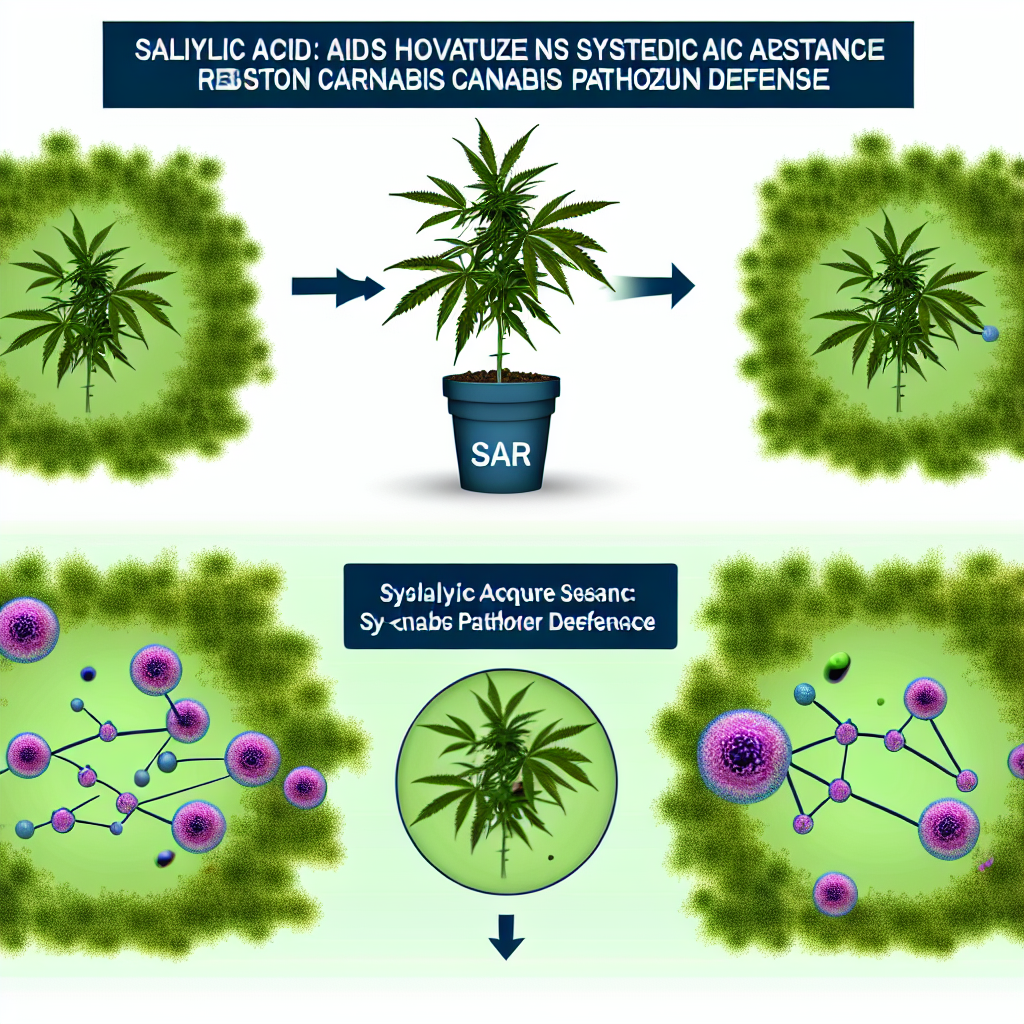
Systemic acquired resistance is a form of “whole-plant immunity” that is activated after an initial local exposure to a pathogen. Once a cannabis plant recognizes an infection—usually through pattern-recognition receptors (PRRs) or effector-triggered immunity—it begins producing signaling molecules, one of which is salicylic acid. This phenolic compound plays an integral role, both locally and systemically, in alerting and preparing distant tissues to fight off further attacks by pathogens, particularly biotrophic invaders like powdery mildew or certain fungi and bacteria.
Salicylic acid operates by upregulating pathogenesis-related (PR) genes that encode proteins involved in active defense mechanisms. These proteins contribute to cell wall stiffening, antimicrobial compound production, and ultimately, increased resistance to secondary infections. In cannabis cultivation, where pathogen control is paramount to meet legal quality standards and maximize therapeutic efficacy, enhancing these natural defenses through SAR presents an organic, sustainable, and effective strategy.
The integration of SAR and SA-mediated responses into cannabis agriculture could reduce the need for synthetic fungicides and pesticides, supporting both consumer health and environmental stewardship. Professionals growing cannabis, especially at scale, are beginning to explore biostimulants and SAR-activators to protect high-value crops. For medical cannabis users, ensuring disease-free plants also means retaining cannabinoid and terpene integrity, preserving the therapeutic potential of the flower.
As the scientific understanding of the cannabis genome deepens and technologies such as CRISPR and RNA sequencing become more widely applied in cannabis research, the role of SA in defending against pathogens offers an exciting, biologically grounded tool for disease resistance. Unlocking SAR potential could represent the next leap in precision agriculture tailored specifically for the unique needs of cannabis.
Features
Research into the role of salicylic acid in systemic acquired resistance has been extensive across various plant species, although studies specific to cannabis are still emerging due to historic research limitations. Nevertheless, foundational work in Arabidopsis thaliana and other model organisms provides a valuable blueprint for understanding how SA-driven SAR can be leveraged in cannabis cultivation.
In a seminal paper published in Science (1993), researchers demonstrated that the accumulation of salicylic acid in plant tissues was essential for SAR induction following pathogen exposure. Plants deficient in SA biosynthesis failed to activate SAR and remained vulnerable to secondary infections. These results underscore SA’s central function in illness memory and plant immunity.
More recently, a 2020 study in Frontiers in Plant Science investigated the impact of exogenous salicylic acid application on Cannabis sativa. Researchers found that treating plants with low concentrations of SA led to measurable increases in plant vigor, enhanced expression of certain defense genes, and a notable reduction in disease symptoms from fungal pathogens like Botrytis cinerea.
Another investigation published in Cannabis and Cannabinoid Research (2019) examined SAR-associated gene expression in cannabis. Using RNA transcriptomic analysis, scientists identified upregulated PR1-type genes following pathogen exposure and SA treatment. These findings strongly suggest that the SAR pathway in cannabis mirrors those observed in other dicotyledonous plants, reinforcing its value in immunity-focused cultivation strategies.
Additionally, biocontrol companies are developing SAR inducers specially formulated for cannabis. Products containing SA analogues like acibenzolar-S-methyl (ASM) or natural inducers such as chitosan are gaining ground in organic agriculture. These compounds prime immunity without requiring genetic modification and comply with organic standards. Controlled cultivation trials conducted by plant biotech firms indicate that such treatments can reduce pathogen-related crop losses by up to 40%.
With stricter regulations from agencies like USDA’s National Organic Program and Health Canada’s PMRA, the cannabis industry faces increasing limitations on synthetic pesticide use. This shift creates an opportunity to adopt SAR-enhancing strategies based on salicylic acid, offering effective alternatives that comply with organic certification and ensure clean end-products.
These developments align with modern agricultural goals—sustainability, efficacy, and purity—to deliver cannabis that meets high medicinal and environmental standards.
Conclusion
As the cannabis industry matures, so must our understanding of plant physiology and innovative pathogen defense techniques. Salicylic acid-mediated systemic acquired resistance offers a biologically sound, science-backed method of enhancing disease resilience in cannabis crops. By incorporating SAR mechanisms into cultivation strategies, growers can optimize plant health, reduce dependency on synthetic products, and preserve the full therapeutic quality of their harvest. Ongoing scientific research and ethical implementation of SA will help ensure this approach becomes a cornerstone of sustainable cannabis agriculture.
Concise Summary
Salicylic acid (SA) plays a crucial role in systemic acquired resistance (SAR), helping cannabis plants fight off pathogens like powdery mildew and Botrytis cinerea. When activated, SAR primes the plant’s defenses by producing pathogenesis-related proteins that enhance disease resilience. While research in cannabis is still developing, evidence suggests strong parallels with other plant species. With increasing regulation of synthetic pesticides, growers are turning to SA and its analogues for organic, sustainable crop protection. This strategy supports plant health, boosts yield integrity, and aligns with the cannabis industry’s commitment to purity and environmental safety.