The Role of Terroir in Cannabis – How Region-Specific Factors Influence Chemotype Expression
Introduction
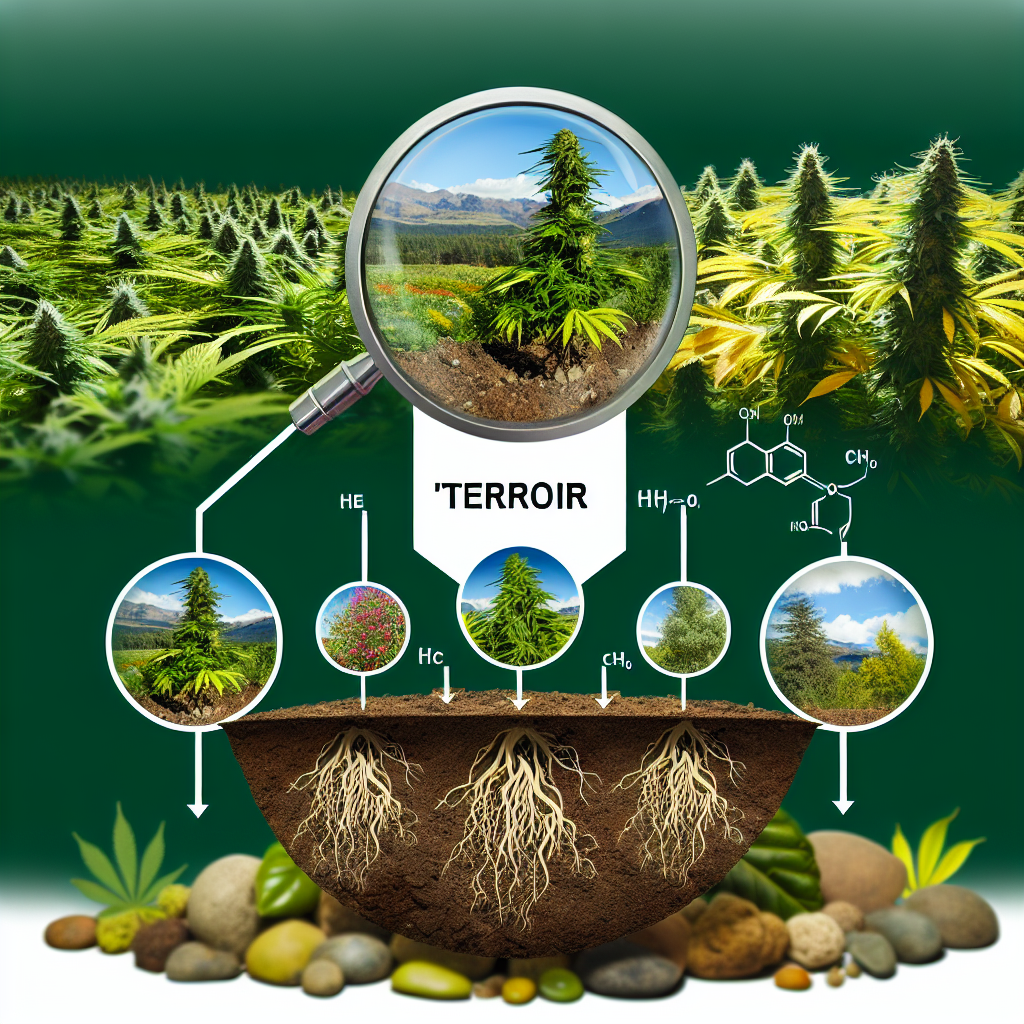
As cannabis cultivation becomes more sophisticated and increasingly embraced worldwide, both industry professionals and informed consumers are starting to recognize the importance of nuanced factors that define the plant’s characteristics. A significant concept now being adapted from the wine industry is terroir—a French term traditionally used to describe how the combination of geography, climate, and soil shapes the features of wine grapes.
Today, terroir is gaining recognition in cannabis cultivation, as experts acknowledge that the specific region where cannabis is grown directly influences its chemotype—the unique chemical profile including cannabinoids like THC, CBD, and CBG, as well as terpenes, the aromatic compounds responsible for scent and flavor.
As public awareness grows and cannabis legalization spreads, both patients and recreational consumers are demanding products with more predictable and consistent effects. This shift is putting greater emphasis on the environmental conditions that shape cannabis chemical profiles through complex interactions of climate (temperature, humidity, sunlight), soil composition (pH, nutrients, microbes), altitude, and even traditional cultivation methods.
When cannabis is grown in a specific terroir, these regional influences work together to create distinct chemical signatures that go beyond just flavor—they affect potency, therapeutic efficacy, and even the presence of minor compounds that contribute to the plant’s medicinal properties.
This rising awareness is a catalyst behind the growing craft cannabis movement, particularly in regions like California’s Emerald Triangle and the Hindu Kush mountains in Afghanistan. Local farmers in these regions have long known their cannabis possesses unique traits, an understanding that now has strong scientific backing through modern testing methodologies.
Exploring how terroir affects cannabis provides insights that merge science, cultivation innovation, and user experience. This approach is increasingly essential in shaping future regulatory standards, guiding product labeling, and enhancing how growers and consumers understand the relationship between land and plant chemistry.
Environmental Influence and Scientific Support
Recent scientific studies support the assertion that environmental factors significantly influence a cannabis plant’s chemical output. Perhaps the most notable research comes from a 2021 study published in Frontiers in Plant Science, which investigated identical cultivars grown across diverse climates in Canada. Findings revealed that environmental conditions and cultivation practices had more impact on cannabinoid and terpene expression than genetic differences alone.
In other words, even when seeds are genetically identical, how and where they’re grown can lead to dramatically different chemotype profiles.
Additionally, Canadian researcher Dr. Igor Kovalchuk has explored how epigenetic factors—changes in gene activity triggered by external stressors like drought, high heat, or nutrient deficiency—can alter cannabis’s chemical expression. These responses are detailed in his work published in Molecular Biology Reports, emphasizing how stress conditions can activate or silence genes associated with key biosynthetic pathways.
Terpenes and Environmental Sensitivity
Terpenes, a vital component of cannabis’s therapeutic potential and sensory appeal, are highly sensitive to external environmental inputs. According to Clarke and Merlin’s comprehensive volume, Cannabis: Evolution and Ethnobotany, ecosystems play a significant role in shaping terpene output. For instance, tropical lowlands tend to enhance myrcene production, a terpene with sedative properties, while elevated, mountainous regions foster conditions favorable for pinene, known for its sharp, refreshing aroma and bronchodilator benefits.
These findings confirm that terroir creates a form of naturally selective pressure wherein plants adapt biochemically to their environments—enhancing their potential for survival and, incidentally, their therapeutic functionality as well.
Regional Chemotype Examples
One of the more compelling outcomes of terroir influence is the emergence of regionally unique cannabis chemotypes. Landrace strains from the Hindu Kush region, for example, consistently test high in beta-caryophyllene, a terpene known for anti-inflammatory and pain-relieving properties. This terpene composition is often accompanied by thick, resinous trichomes packed with traditional hash-like aromas—likely an evolutionary response to mountainous, arid conditions.
In contrast, coastal regions like Humboldt County in Northern California produce cannabis with fruity, citrus-laced terpene profiles, showcasing compounds like limonene and linalool, which thrive under maritime influences including fog, cool nights, and mineral-rich soils.
Therapeutic Consistency and Consumer Experience
Understanding terroir’s impact goes beyond connoisseur appreciation—it directly informs therapeutic consistency for medical cannabis users. The synergistic relationship between terpenes and cannabinoids, known as the entourage effect, relies on a stable chemotype for predictable results. For patients managing conditions like chronic pain, epilepsy, or anxiety, inconsistency in chemical composition can lead to varied outcomes or diminished efficacy.
By recognizing which environments best produce certain chemical profiles, growers can optimize their practices to target specific therapeutic effects, building trust with patients and supporting healthcare providers in making more informed strain recommendations.
Regulatory and Market Implications
As the cannabis industry matures, the recognition of terroir is likely to influence labeling standards, product documentation, and regulatory frameworks. Much like how wine bottles display appellation or origin, cannabis products are beginning to feature geographical designations that speak to quality, uniqueness, and chemical content.
An example of this development is California’s Origin County Cannabis initiative, which seeks to protect and promote location-specific cannabis as a premium product analogous to Champagne. These frameworks not only elevate regional identity but also help consumers associate region with desired effects, taste, or aroma—further deepening the commercial and cultural value.
Conclusion
Understanding the impact of terroir on cannabis chemotype expression is more than a scientific curiosity—it’s a strategic, agricultural, and therapeutic imperative. Terroir’s influence shapes not only the flavors and aromas of cannabis but also its medicinal potential and market identity. As legalization spreads and consumer knowledge matures, prioritizing terroir-informed cultivation will support the rise of exceptional, consistent, and purposeful cannabis products, helping both craft growers and patients unlock the full potential of this complex plant.
References
– Frontiers in Plant Science
– Molecular Biology Reports
– Cannabis: Evolution and Ethnobotany by Clarke and Merlin
– California’s Origin County Cannabis Initiative
Visit Bluntys.com regularly for more science-based explorations and cannabis industry insights.
Summary
Terroir profoundly influences cannabis chemotype by shaping its cannabinoid and terpene profile based on region-specific factors like climate, soil, and altitude. Scientific studies confirm that environmental variables often have more impact on chemical expression than genetics alone. From mountainous Hindu Kush to coastal California, terroir creates distinct chemotypes with unique flavors, aromas, and therapeutic effects. This knowledge supports consistent outcomes for medical users and is shaping new labeling and regulatory practices that mirror the wine industry. As cannabis globalization continues, optimizing terroir becomes essential for top-tier quality and consumer satisfaction.