What If Cannabis Was Designed Like an mRNA Vaccine? A Radical Rethink of Cannabinoid Delivery Systems
Introduction
The realm of **cannabis** has witnessed an extraordinary transformation over the past decade, marked by a shift from clandestine use to mainstream acceptance. This transformation has spurred interest in developing innovative delivery systems for **cannabinoids**, the active compounds in cannabis. As legalization and decriminalization efforts gain traction globally, the focus has increasingly shifted toward optimizing the efficacy of cannabinoids for medicinal and recreational use. But what if cannabis delivery systems could evolve as radically as **vaccine technology**?
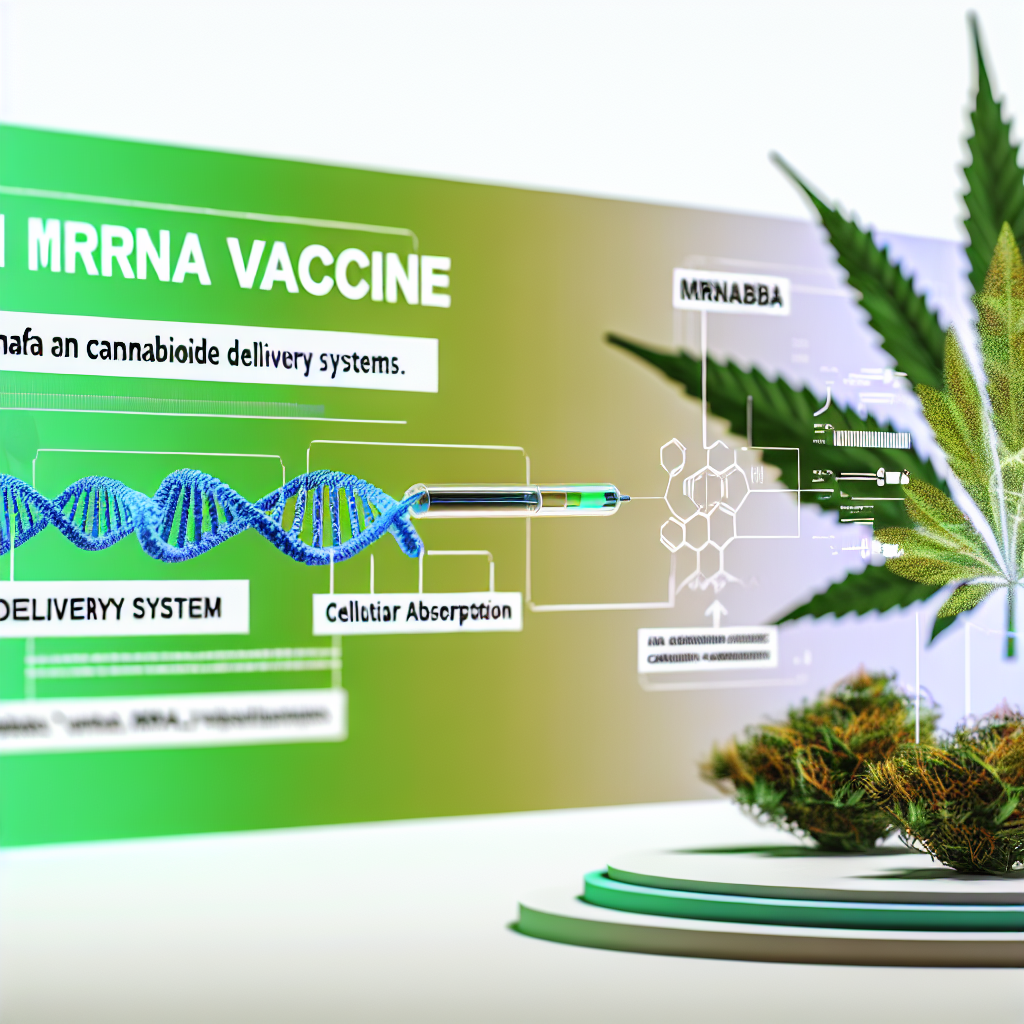
In recent years, **mRNA vaccines** have captivated the medical community due to their groundbreaking role in combating the COVID-19 pandemic, setting a precedent for advancing pharmaceutical technology. Such adaptability invites us to ponder: what if cannabinoids, rather than being ingested or inhaled, could be delivered as a precise mRNA “blueprint”? This conceptual advancement could significantly boost efficacy, safety, and the scope of cannabinoid use.
Tailoring cannabinoids at the molecular level, enabling the body’s own cells to produce specific compounds, is indeed an intriguing scientific frontier. This method could ensure higher **bioavailability**, meaning more of the compound is available to the body at lower doses, while paving the way for **personalized medicine** in cannabis therapy. Moreover, it could address issues associated with traditional cannabis consumption, such as inconsistent dosing and delayed onset of effects.
As the cannabis industry continues to expand, exploring mRNA technology’s potential in cannabinoid delivery could represent the next leap forward in cannabis science, ushering in an era of unprecedented precision, safety, and personalization.
Features
The transformative potential of using **mRNA technology** in cannabinoid delivery promises several intriguing possibilities and challenges. Scientific research in this domain is still nascent, yet studies examining broader applications of mRNA provide valuable insights. The primary allure of mRNA-based cannabis systems lies in their potential to deliver cannabinoids efficiently and systematically, minimizing side effects and enhancing therapeutic impact.
One critical advantage of mRNA technology is its capacity for rapid development and scalability. According to an article published in [Nature Reviews Drug Discovery](https://www.nature.com/articles/nrd.2020.45), mRNA vaccines can be developed and manufactured more swiftly than traditional biologicals. This aspect could translate well into cannabinoid delivery, enabling swift customization of cannabinoid profiles to treat diverse conditions such as **chronic pain**, **anxiety**, or **epilepsy**.
Research in genetic medicine suggests mRNA’s potential for delivering therapeutic proteins directly to cells. A study in [Molecular Therapy](https://www.cell.com/molecular-therapy-family/molmed/fulltext/S1525-0016(19)30246-8) highlights how mRNA can express therapeutic proteins within cells, showing promise for treating various conditions. Applying this framework to cannabinoids, it’s conceivable that mRNA could instruct cells to produce cannabinoids like **THC** or **CBD** internally, offering precise control over dosage and enhancing bioavailability.
Furthermore, the precision of mRNA technology could mitigate psychoactive risks associated with THC. By modulating gene expression, it may be possible to fine-tune levels of various cannabinoids and terpenes, optimizing therapeutic effects while minimizing unwanted psychoactivity—a consideration critical for medical cannabis users.
However, considerable research and development are needed to address the potential immunogenicity of cannabis-mRNA constructs, ensuring safety and sustained efficacy. The knowledge of mRNA used in vaccines, particularly concerning lipid nanoparticles as delivery vehicles, could facilitate this application. Several fundamental studies, such as those discussed in the [Journal of Controlled Release](https://www.sciencedirect.com/science/article/abs/pii/S0168365919305730), outline the safe use of lipid nanoparticles, which could serve as vectors for mRNA transport in cannabinoid delivery.
As such, while the intersection of mRNA technology and cannabinoid delivery is largely speculative, ongoing research offers a glimpse of a promising future where cannabis therapies are as customizable and efficient as modern vaccines—a notion deeply exciting for cannabis professionals and medical practitioners dedicated to advancing cannabinoid science.
Conclusion
Navigating the frontier of **mRNA technology** in cannabis delivery could redefine the cannabinoid landscape, merging cutting-edge precision medicine with ancient herbal understandings. While it is an ambitious undertaking, tailored, efficient cannabinoid therapeutics hold vast promise for consumer and medical applications. As research evolves, this fusion may well position cannabis at the newest edge of pharmaceutical innovation, transforming how we engage with this versatile plant.
**Concise Summary:** The fusion of **mRNA technology** with cannabis delivery systems could revolutionize cannabinoid therapy, offering precision and personalization comparable to modern vaccines. This innovation promises enhanced **bioavailability**, efficient dosing, and minimized side effects, potentially addressing chronic conditions like pain and anxiety with personalized cannabinoid profiles. While speculative, the research hints at a transformative approach to cannabis use, echoing the advancements seen with mRNA in the COVID-19 vaccines, and heralding a new era in **pharmaceutical** **cannabis** applications.