Why Cannabis Labs Are the Next Indie Biotech Startups (and Nobody’s Noticing)
Introduction
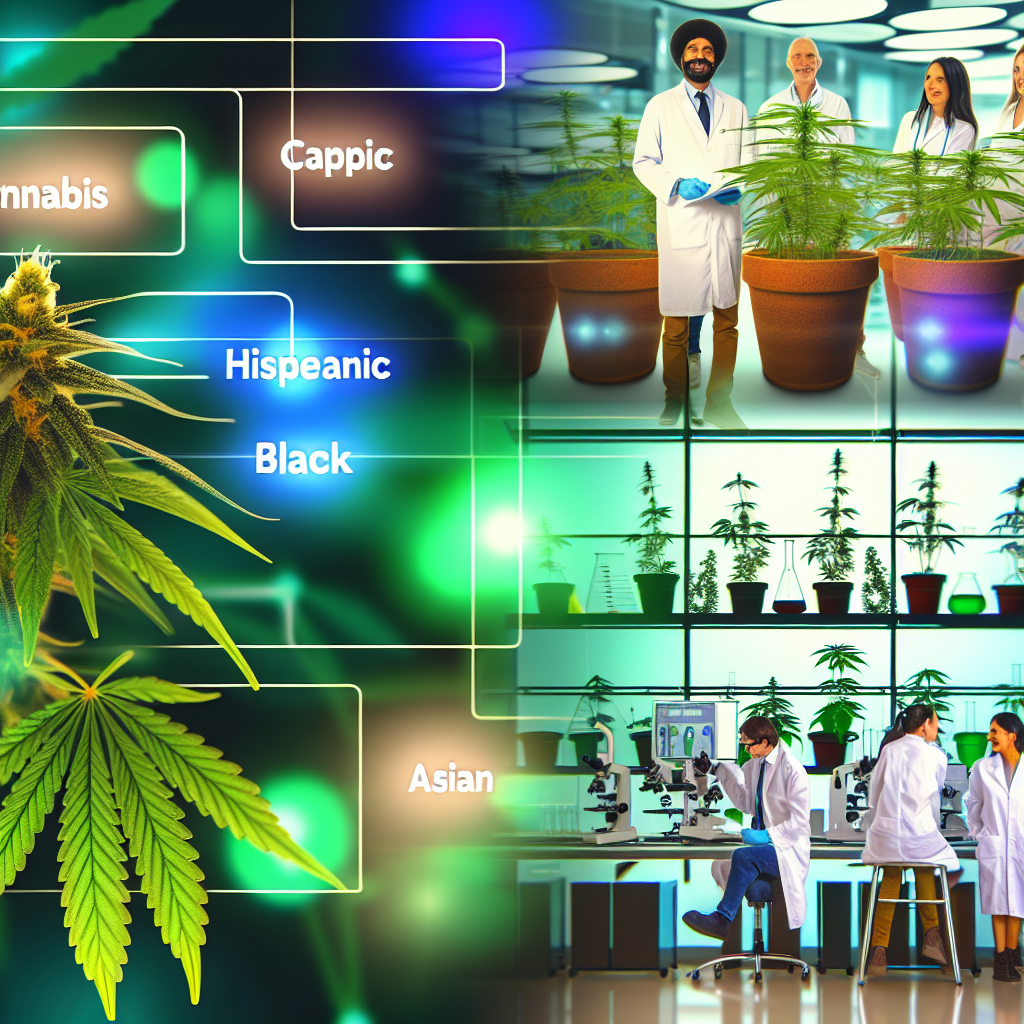
In recent years, the **cannabis industry** has witnessed an evolution in perception, regulations, and scientific exploration. While much of the limelight has been on government regulation changes and burgeoning dispensary channels, a parallel and equally dynamic transformation has begun to unfold: the rise of **cannabis laboratories**. These labs are starting to resemble indie **biotech startups**, quietly innovating and exploring the myriad possibilities that the **cannabis plant** presents. Yet, despite their groundbreaking work, they largely remain unnoticed by mainstream biotechnology and investment circles.
Cannabis laboratories are unique in their approach; they blend traditional scientific methods with novel exploratory techniques tailored to cannabis’s complex chemical profile. Unlike large-scale biotech firms, these indie labs operate with flexibility and often with a passionate mission to discover, verify, and expand the understanding of **cannabis compounds** like **cannabinoids** and **terpenes**. These compounds, over a hundred identified to date, present a treasure trove of potential **therapeutic applications** as well as industrial uses that are only beginning to be tapped.
The drive behind these **indie laboratories** is not just to produce medical breakthroughs; they play a pivotal role in ensuring **product safety**, standardization, and quality control in an industry where consumers are growing more discerning, and regulations are tightening. Their work supports everything from the purity of consumable products to novel delivery methods that enhance or modify the plant’s effects.
Moreover, these small agile labs cultivate an environment fostering innovations in areas like **bioengineering cannabis** for improved efficiency or targeted therapeutic outcomes. They also work on creating specific cannabis profiles that align more closely with patient or recreational user needs. This could mean engineering strains to target certain ailments, like chronic pain or anxiety, or even ethical developments in reducing the environmental impact of cannabis cultivation through advanced growing techniques.
Despite their strategic importance and potential, these labs are rarely highlighted in biotech circles and often overshadowed by bigger players in the realms of pharmaceuticals and large-scale cannabis enterprises. Yet, as more studies expose both the profound possibilities and necessities of cannabis compounds, these startups stand as quiet titans ready to shake up the industry with potential paradigm shifts.
Features
Cannabis labs draw inspiration and data not just from within but also from evolving medical and professional studies on cannabis. One study of particular note is a **2020 research paper** published in **”Frontiers in Pharmacology,”** which investigated the potential **anti-inflammatory** and antioxidative properties of cannabinoids ([Frontiers in Pharmacology](https://www.frontiersin.org/articles/10.3389/fphar.2020.555312/full)). This study laid the groundwork for further exploration of cannabinoids as therapeutic agents in chronic inflammatory diseases, a field ripe for innovation that indie cannabis labs are poised to capitalize on.
Additionally, a **2021 study** published in **”Nature”** focused on the genetic mapping of cannabis, aiming to understand the biological pathways that govern cannabinoid biosynthesis ([Nature](https://www.nature.com/articles/s41588-020-00737-3)). Such genetic insights provide indie labs with essential blueprints for engineering more effective and predictable cannabis strains tailored to specific medical outcomes.
Another groundbreaking piece of research is ongoing work by **Project CBD**, an esteemed organization bringing to light the uses of **cannabidiol (CBD)** in various health scenarios ([Project CBD](https://www.projectcbd.org/)). This includes promising results in managing epilepsy, anxiety, and even certain neurodegenerative conditions. Their continuous work not only evidences CBD’s wide-reaching potential but also sets a template for how other cannabinoids could be researched and applied in medicinal contexts.
In tackling these challenges, these labs are also paving the path for newfound extraction methods and delivery systems. One promising venture involves **nanoemulsion technology**, which enhances the **bioavailability** of cannabinoids. A study published in **”Nanomedicine”** illustrates how creating tiny, emulsified oil droplets can significantly increase cannabinoid uptake in the body, potentially leading to more efficient therapeutic results ([Nanomedicine](https://www.futuremedicine.com/doi/10.2217/nnm-2020-0007)). For small cannabis labs, the venture into such terrains represents steps toward invaluable patented processes that might redefine industry standards.
Furthermore, the alignment with **sustainable** practices is also a significant feature. By exploring **agritech innovations** such as **precision agriculture** and **vertical farming**, these labs not only aim for efficiency but also ecological stewardship—a characteristic that resonates deeply with modern, environmentally-conscious consumers.
Conclusion
As the cannabis industry’s potential continues to unfold, indie labs stand at the forefront of unseen innovation. Their work embodies the confluence of **science**, **commerce**, and **sustainability**, portraying these indie entities as unsung heroes reshaping the narrative of cannabis through groundbreaking research and development. If cannabis is the next frontier, then its labs are the quiet pioneers, ready to lead from the shadows into a promising forefront.
**Concise Summary**
Cannabis laboratories are emerging as the next indie biotech startups. These labs, often overshadowed by larger firms, innovate by exploring therapeutic and industrial applications of cannabinoids and terpenes, while also ensuring product safety and quality control. They leverage studies on the anti-inflammatory and genetic characteristics of cannabis to engineer strains for specific medical outcomes. By employing techniques like nanoemulsion technology and sustainable agriculture, they push the industry towards new standards. Despite their significance, these labs remain largely unnoticed, though they stand poised for transformative influence in the growing cannabis sector.