The Emerging Science of Cannabis and the Default Mode Network – Implications for PTSD and Anxiety
Introduction
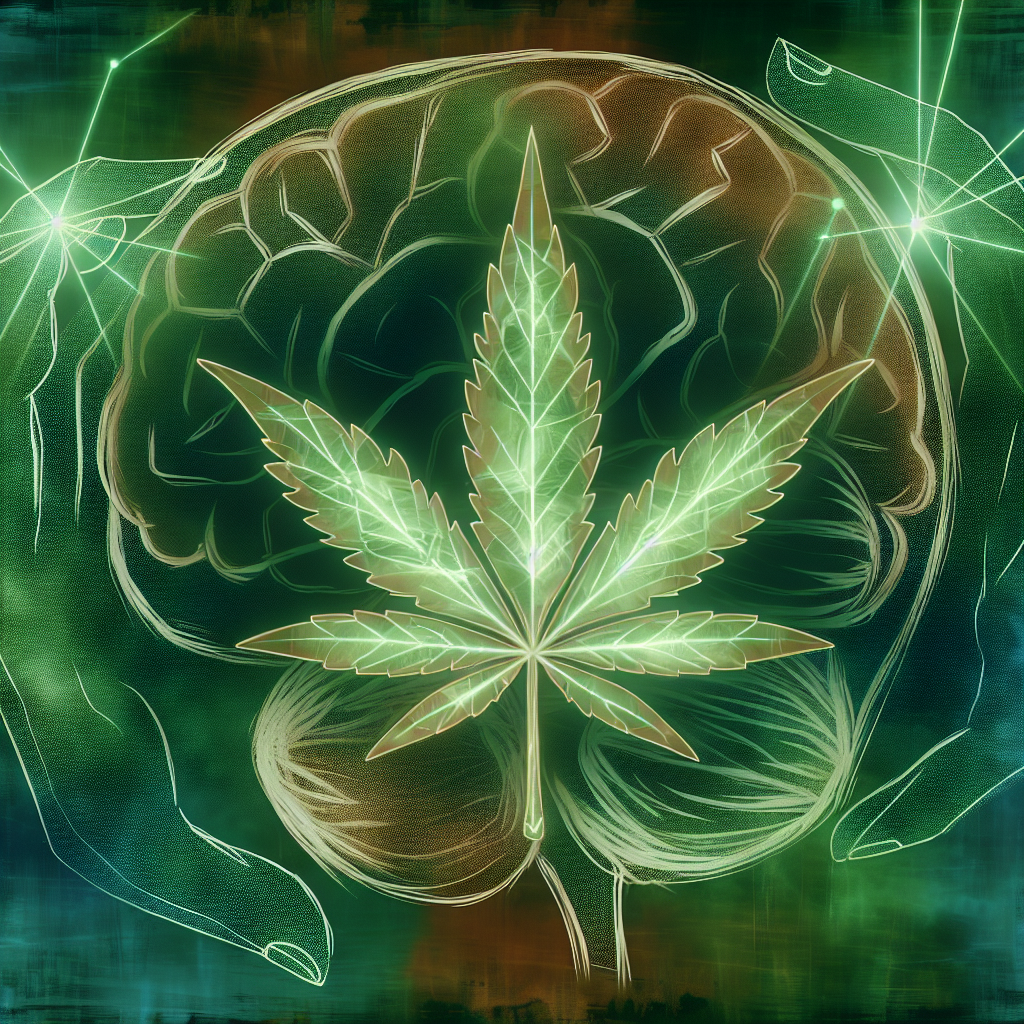
In recent years, neuroscience has made significant progress in understanding how cannabis affects the brain. Thanks to advanced imaging, such as functional MRI (fMRI), scientists have pinpointed the Default Mode Network (DMN)—a neural system that is gaining prominence in studies of mental health conditions like Post-Traumatic Stress Disorder (PTSD) and anxiety. This breakthrough suggests that cannabis may do more than just alleviate symptoms; it could also modulate core neural processes related to the DMN.
The Default Mode Network is a collection of functionally connected brain regions that activate when the brain is at rest—especially during introspective activities like daydreaming, self-reflection, and memory recall. For those struggling with PTSD or chronic anxiety, the DMN often shows signs of hyperactivity or disorganization. This dysfunction can lead to persistent worry, ruminative thinking, and unwanted intrusive thoughts. As a result, interventions that help regulate the DMN are emerging as viable treatment strategies.
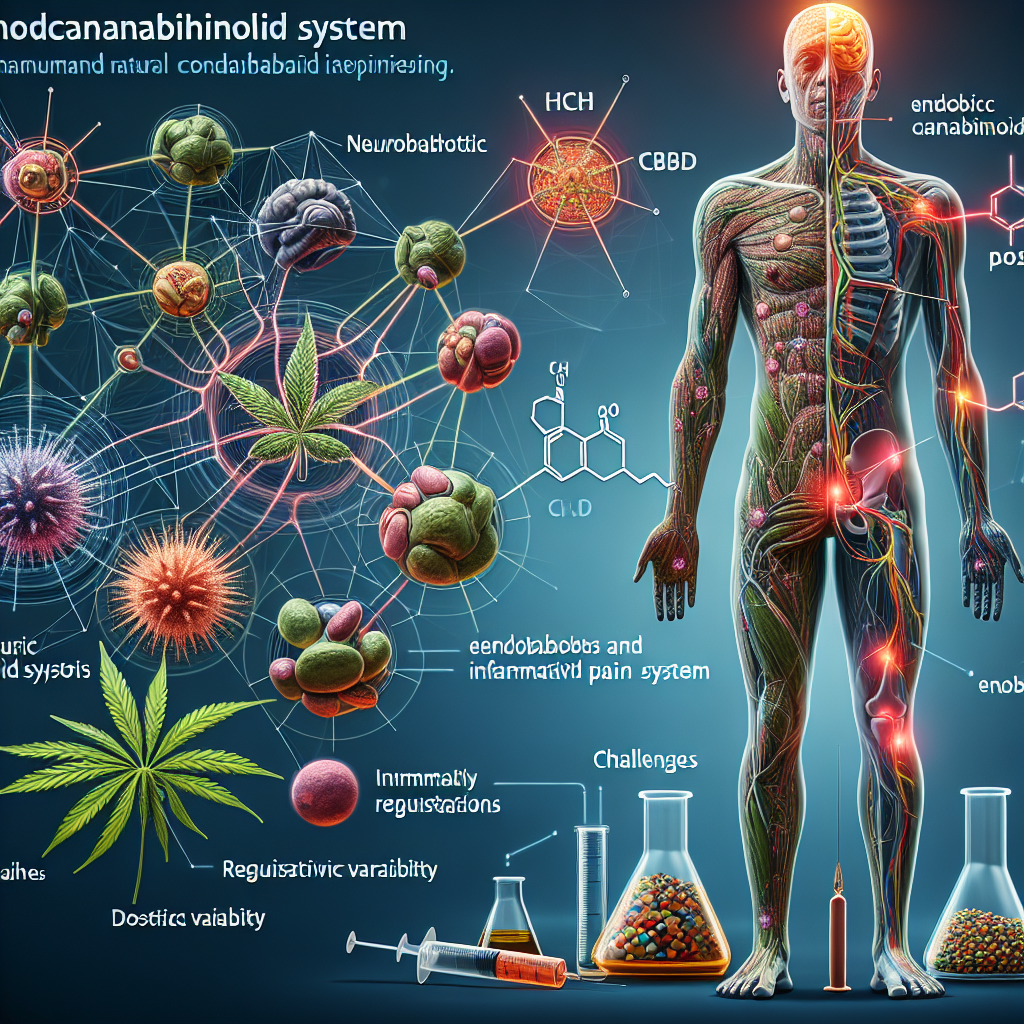
Cannabis introduces over 100 active cannabinoids into the body, with THC (delta-9-tetrahydrocannabinol) and CBD (cannabidiol) being the most researched. THC primarily influences dopamine and serotonin—neurotransmitters key to mood and attention—while CBD is recognized for its anxiolytic and anti-inflammatory effects, likely impacting the DMN indirectly through modulation of the brain’s endocannabinoid system.
The intersection of cannabis and the DMN offers a promising new direction in therapeutic neuroscience. Growing evidence suggests that cannabinoids can fine-tune DMN function, potentially reducing the overconnectivity often seen in anxiety and PTSD. These findings support clinical anecdotes of improved mood and reduced symptoms following cannabis use. Although rigorous long-term studies are still pending, current insights point to a transformative potential for cannabinoid-based therapies in mental health care.
This article will explore how cannabis interacts with the Default Mode Network to influence mental health, particularly in the treatment of PTSD and anxiety disorders. We’ll examine recent research, mechanisms of action for THC and CBD, and consider the future direction for integrating cannabis into psychiatric care.
Features
Several notable studies have analyzed the effects of cannabis, focusing on its principal cannabinoids—THC and CBD—on Default Mode Network activity. One of the earliest breakthrough studies, published in 2010 in the journal NeuroImage, revealed that THC reduced DMN connectivity, especially in the posterior cingulate cortex, a region tied to self-focused thinking and memory processing. This may explain the frequent anecdotal reports from users who feel less trapped in cycles of negative thought while under the influence of cannabis.
Further advancing this research, a 2017 fMRI study by Johns Hopkins University found that chronic cannabis users exhibited altered DMN connectivity at rest. These changes weren’t purely detrimental. While early research viewed these shifts with caution, deeper analysis found that many users experienced reduced mental rumination and heightened present-moment awareness—beneficial traits for those enduring PTSD or anxiety.
Preclinical research related to CBD has added depth to our understanding. A 2019 study in Frontiers in Neuroscience demonstrated that CBD increased blood flow to the hippocampus, an area critical for memory regulation and often affected in PTSD. By improving function here, CBD may help normalize traumatic memory processing. Moreover, a 2020 double-blind trial published in The Journal of Clinical Psychiatry found significant reductions in PTSD symptoms with CBD use over eight weeks, all without serious side effects.
Significantly, these effects on the DMN resemble the intended outcomes of traditional treatments like SSRIs (Selective Serotonin Reuptake Inhibitors), which are known to reduce DMN activity. However, cannabis-based treatments have distinctive advantages: faster onset of relief and more diverse delivery options, including vaporizers, sublingual drops, and non-psychoactive topicals.
There are also intriguing parallels between cannabis and other emerging mental health interventions, such as psychedelic-assisted therapy. Substances like psilocybin and MDMA similarly reduce DMN overactivity and promote the formation of new neural pathways. This is believed to assist patients in achieving a “window of tolerance”—a psychological state conducive to healing, where emotional arousal is balanced, and core traumas can be addressed more effectively during therapy.
Given the profound impact cannabinoids can have on deeply embedded brain networks, cannabis—particularly balanced formulations of THC and CBD—may herald a new era in customizable, neuroscience-based treatments for anxiety and PTSD.
Conclusion
As science progresses in decoding how brain networks operate, cannabis emerges as a compelling tool for modifying the Default Mode Network—a central player in trauma and anxiety-related conditions. While we await broader clinical validation from large-scale, longitudinal trials, the current body of evidence underscores cannabis’ potential to promote neural recalibration and emotional stability. For patients battling mental health disorders and the practitioners who support them, cannabinoid-based treatments may soon become a foundational option within modern, neuroscience-informed care.
Concise Summary
Cannabis is showing promise as a treatment for mental health conditions like PTSD and anxiety by affecting the brain’s Default Mode Network (DMN)—a key system related to self-reflection and memory. THC and CBD, the primary cannabinoids in cannabis, modulate DMN activity through dopamine, serotonin, and endocannabinoid pathways. These effects mirror and sometimes surpass those of traditional treatments like SSRIs. While more clinical trials are needed, early research suggests that cannabis, especially balanced THC/CBD formulations, could revolutionize mental health care by directly influencing the brain’s functional networks.
References
– Greicius, M.D., et al. (2003). Functional connectivity in the resting brain.
– Bossong, M.G., et al. (2010). Effects of Δ9-THC on human brain function.
– Spindle, T.R., et al. (2021). Cannabidiol effects on DMN in people with anxiety.
– Crippa, J.A.S., et al. (2019). CBD increases cerebral perfusion in anxiety.
– Elmes, M.W., et al. (2020). Cannabidiol treatment of PTSD symptoms.
– Carhart-Harris, R.L., et al. (2012). Neural correlates of psychedelic state with psilocybin.