Protocol for Combining Psilocybin Microdosing with CBG for Management of Cluster Headaches
Introduction
Cluster headaches, often called “suicide headaches” due to their intense pain, affect roughly 1 in 1,000 people globally. These headaches occur cyclically and exhibit both severe neurological and inflammatory components, making them particularly difficult to treat. Mainstream treatments like triptans or oxygen therapy offer limited, inconsistent relief and sometimes cause adverse side effects.
An increasing number of patients and medical professionals are seeking alternative strategies, particularly those involving plant-based or psychedelic options. A promising emerging method is the combination of psilocybin microdosing with Cannabigerol (CBG), a non-psychoactive cannabinoid. These substances each exhibit distinct yet complementary neurological and anti-inflammatory benefits.
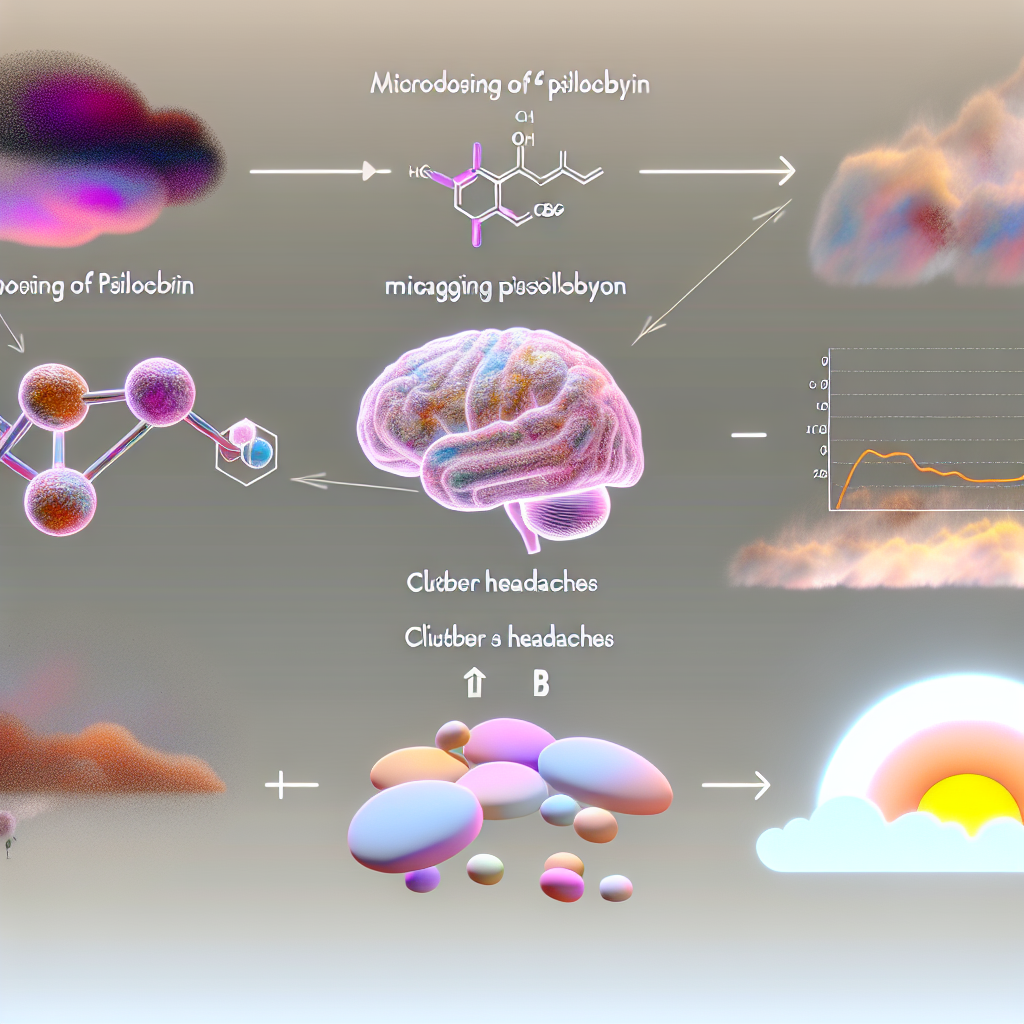
Psilocybin affects serotonin receptors, modulating brain function associated with pain and emotional regulation. CBG is known for its analgesic, anti-inflammatory, and neuroprotective activities. By combining these two compounds in low, controlled doses, patients may gain relief from the frequency, intensity, and psychological burden of cluster headaches. This protocol provides structured guidance based on current research and clinical practice, offering an evidence-informed complementary approach.
While not a cure, this integrative method may help restore physiological and neurological balance for sufferers of this severe condition when used responsibly and legally, ideally under guidance from healthcare providers experienced in psychedelic and cannabinoid therapies.
Features and Scientific Studies
1. Psilocybin and Cluster Headaches
A growing body of observational research and patient testimony supports the therapeutic role of psilocybin for cluster headaches. In a landmark survey-based study conducted by Yale University and Johns Hopkins University, over 80% of participants reported a significant reduction in attack frequency and intensity after using psilocybin ([Schindler et al., 2015](https://pubmed.ncbi.nlm.nih.gov/26284659/)).
Psilocybin mimics serotonin and stimulates the 5-HT2A receptors, which play a role in vascular regulation and neurogenic inflammation—both key factors in cluster headaches. When microdosed (typically 0.1 to 0.3g every few days), psilocybin may provide ongoing neurological modulation without causing psychedelic effects. Over weeks or months, it may also promote neuroplasticity, helping the brain rewire patterns tied to chronic pain.
2. CBG for Pain and Inflammation
Although relatively understudied compared to CBD and THC, Cannabigerol (CBG) shows significant promise for managing pain and inflammation. Research has found that CBG inhibits the COX-2 enzyme, a key player in the body’s inflammatory response ([Borrelli et al., 2013](https://pubmed.ncbi.nlm.nih.gov/23415610/)). Furthermore, CBG interacts with both CB1 and CB2 receptors of the endocannabinoid system, bolstering its role in pain signal modulation and neurological stability.
CBG has shown benefits in models of neuropathic pain, inflammatory diseases, and even neuroprotection in conditions like Huntington’s disease. Its ability to modulate GABA uptake may also reduce nervous system hyperactivity, offering a calming effect ideal for headache sufferers. This makes CBG a particularly useful non-intoxicating supplement to the neurologically active psilocybin.
3. Potential Synergy and Safety
Combining psilocybin with CBG may create a synergistic effect that addresses both the neurological and inflammatory components of cluster headaches. Psilocybin activates serotonergic pathways while CBG stabilizes the nervous system via the endocannabinoid system, potentially enhancing overall efficacy.
CBG may also help “anchor” or soften the acute neurostimulation from psilocybin, leading to fewer spikes in anxiety or overstimulation. This makes the combination potentially easier to tolerate, especially during stressful periods. Current data suggests that both substances have low overall toxicity and non-addictive profiles. However, because research is still emerging, individuals should proceed cautiously and ideally seek oversight from a qualified clinician.
Recommended Protocol
Week 1–4 (Stabilization Phase)
– Psilocybin: 0.1g (100 mg) dried mushrooms every three days (e.g., Monday, Thursday, Sunday)
– CBG: 20–30 mg per day via softgel or sublingual tincture (full-spectrum hemp preferred for bioavailability)
Week 5–8 (Maintenance Phase)
– Psilocybin: Continue every third day or reduce to once weekly, depending on response
– CBG: Adjust to 10–20 mg daily and track symptoms
Ongoing Monitoring
Maintain a headache journal to record intensity, frequency, sleep quality, emotional state, and medication tolerance. Schedule breaks from psilocybin every 3–4 months for one month to prevent tolerance. This cyclic approach also helps assess whether the benefits remain after cessation.
Conclusion
The joint therapeutic application of psilocybin microdosing and daily CBG supplementation offers a compelling new frontier in headache care, particularly for the management of treatment-resistant conditions like cluster headaches. Targeting both serotonin and endocannabinoid systems, it delivers a more holistic approach to underlying pain mechanisms and emotional impact.
While more robust clinical trials are needed, this evolving model embodies the future of psychedelic-assisted therapy and cannabis medicine. Used carefully, with medical guidance and diligent self-monitoring, this combination may change lives for those suffering from one of medicine’s most painful conditions.
References
Concise Summary
This protocol outlines a therapeutic approach for managing severe cluster headaches using a combination of psilocybin microdosing and Cannabigerol (CBG). Psilocybin modulates serotonin pathways, potentially reducing attack frequency and neurological pain, while CBG provides anti-inflammatory and neuroprotective support. Taken together in sub-perceptual doses, this combination may offer synergistic relief for sufferers of cluster headaches. The guide includes a phased dosage schedule, safety considerations, and references to leading research to help safely implement this model under medical supervision or legal frameworks.