The Forgotten Variable in Cannabinoid Efficacy: Circadian Rhythms as a Formulation Input
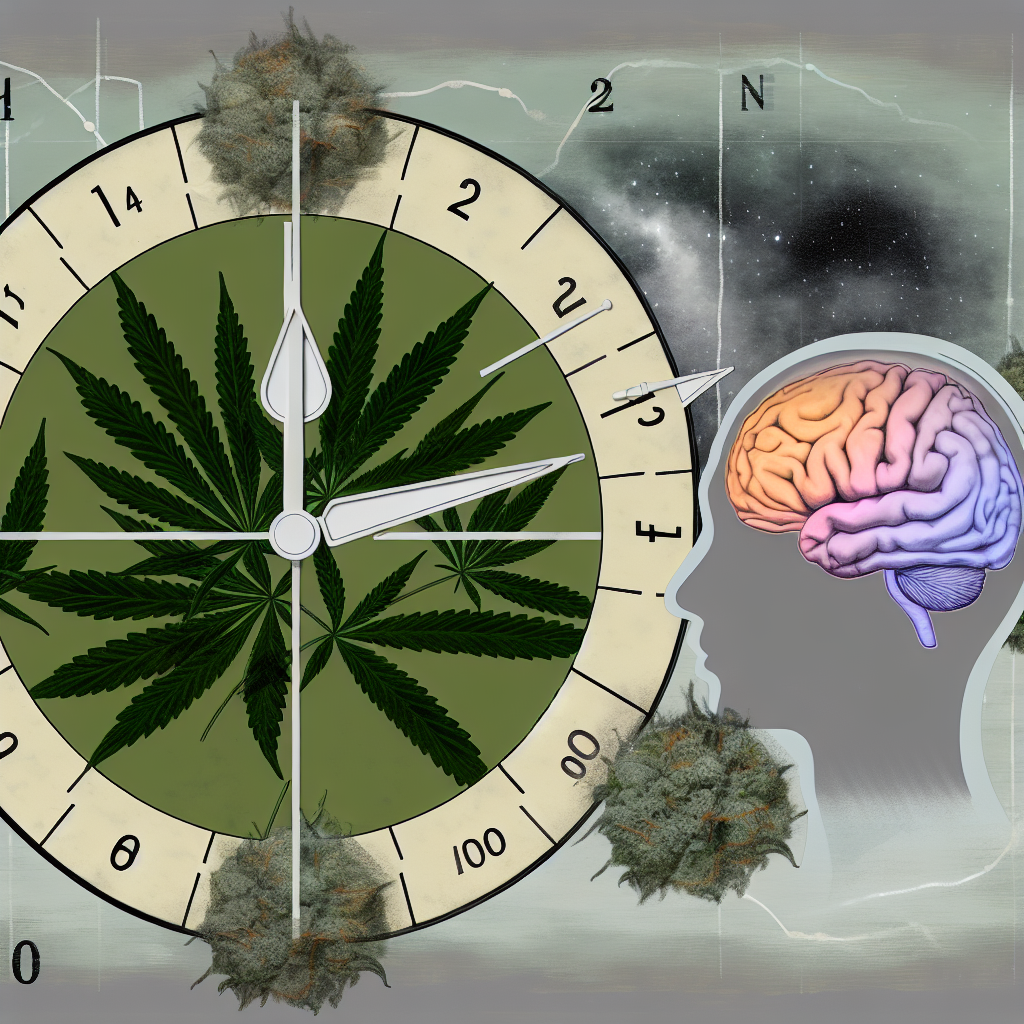
Cannabinoids, recognized for their therapeutic potential, may have their efficacy significantly influenced by circadian rhythms. These natural processes regulate the sleep-wake cycle and many physiological functions, which could optimize the effects of cannabinoid treatment when considered as a formulation input. Understanding these rhythms can enhance treatment outcomes by aligning drug administration with periods of natural biological responsiveness.
Understanding Circadian Rhythms in Health
Circadian rhythms are vital to human health, influencing everything from sleep patterns to hormone release and metabolism. Disruptions in these rhythms are linked to issues like insomnia, depression, and obesity. Thus, timing cannabinoid administration to align with these rhythms could enhance therapeutic effects, reducing negative outcomes.
Research Gaps and Potential
Research on the relationship between circadian rhythms and cannabinoid efficacy is limited, with most studies focusing on cannabinoids’ effects on sleep. These studies suggest a potential modulation of circadian function by cannabinoids, but deeper exploration is needed. This requires a multidisciplinary approach that integrates chronobiology, pharmacology, and cannabis research to fully understand this relationship.
Incorporating Circadian Rhythms into Cannabinoid Formulation
Incorporating circadian rhythms into cannabinoid formulations could benefit consumers and the cannabis industry alike by offering optimized treatment strategies. For cannabis professionals, leveraging circadian insights could drive product innovation and improve patient outcomes, demanding that medical professionals and experts alike prioritize circadian rhythms in their approach to cannabinoid efficacy.
Professional and Medical Studies
Studies in *The Journal of Clinical Investigation* and *Frontiers in Neuroscience* highlight the role circadian timing plays in drug effectiveness, underscoring the importance of chronopharmacology. Another study in *Sleep Medicine Reviews* points to cannabinoids influencing sleep patterns, suggesting a bidirectional relationship with circadian rhythms. Recognizing these interactions could guide the future of cannabinoid-based therapies.
Conclusion
Integrating circadian rhythms into cannabinoid use marks a new frontier for optimizing therapeutic outcomes. By aligning treatment with natural biological cycles, we can achieve innovative product formulations and personalized medicine approaches. As the cannabis industry evolves, embracing circadian-aware practices can revolutionize patient care and maximize the therapeutic potential of cannabinoids.
Concise Summary
Cannabinoid efficacy is potentially influenced by circadian rhythms, highlighting an essential yet often overlooked factor in therapeutic applications. Circadian rhythms regulate many bodily functions, suggesting the timing of cannabinoid administration could optimize effects. Few studies address this relationship directly, but existing research indicates a significant interplay. Incorporating biological timing into cannabinoid formulations could revolutionize the industry, aligning with personalized medicine goals and possibly boosting efficacy. As understanding of these rhythms grows, new research and product development aligned with chronobiology could significantly enhance cannabinoid-based therapies.
References
1. [The Journal of Clinical Investigation](https://www.jci.org/articles/view/131971). “The circadian regulation of endocannabinoid signaling and implications for cannabis treatment.”
2. [Frontiers in Neuroscience](https://www.frontiersin.org/articles/10.3389/fnins.2019.00678/full). “Chronopharmacology and its potential impact on cannabinoid efficacy.”
3. [Sleep Medicine Reviews](https://www.sciencedirect.com/science/article/pii/S1087079219301559). “The effect of cannabinoids on sleep and circadian rhythms.”