From Genome Editing to Yield Maximization: How Quantum Biosystems Could Revolutionize Cannabis Cultivation
Introduction
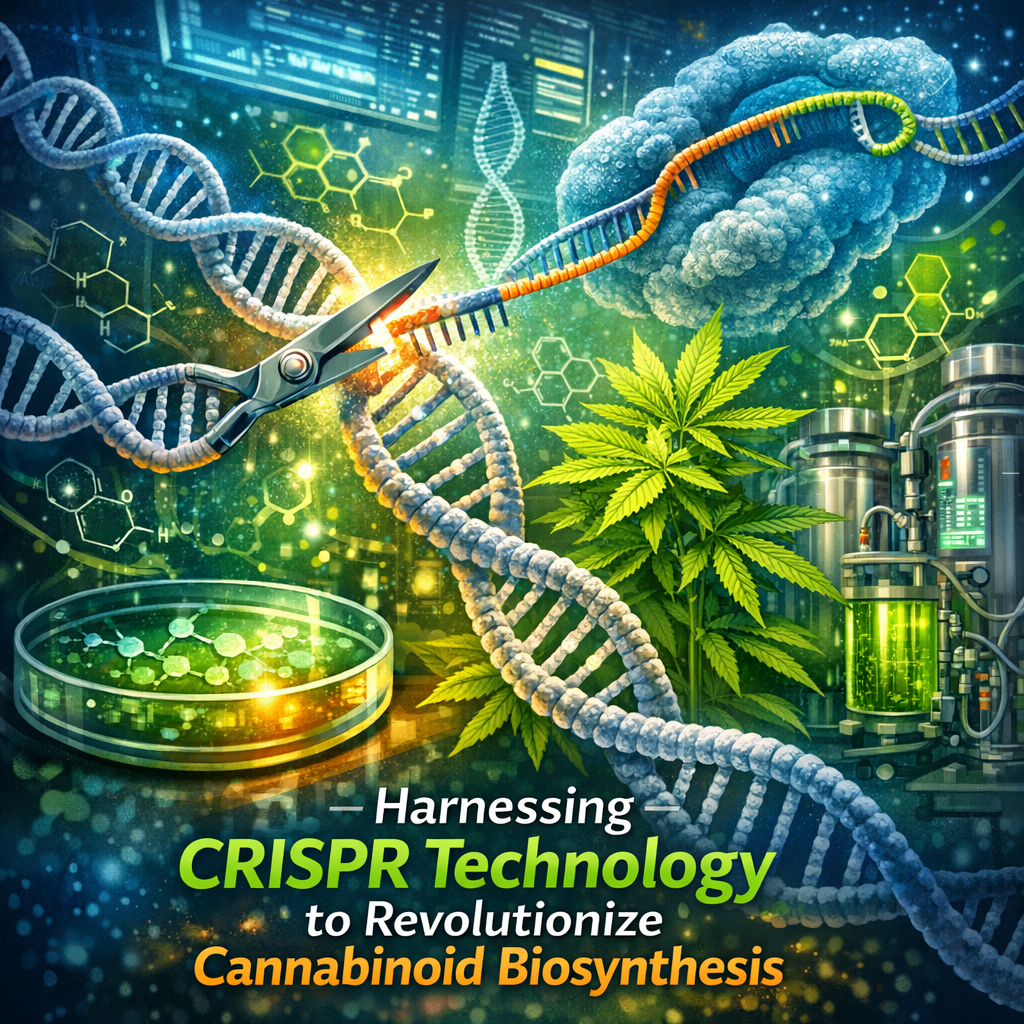
The cannabis industry faces transformative changes driven by rapid innovation and scientific exploration. With shifting legislation and increasing demand for high-quality cannabis, cultivators are pressured to produce superior strains. Enter quantum biosystems, an emerging field applying the principles of quantum mechanics to influence biological processes at cellular and molecular scales. By using quantum computing and field theories, scientists aim to precisely model biological structures. This groundbreaking approach promises revolutionary advancements in cannabis cultivation, from genome editing to yield maximization, offering technological breakthroughs and meaningful ecological benefits.
Features
Recent research underscores the significant impact quantum biosystems may have on agriculture, particularly for cannabis. Quantum algorithms are being developed to solve complex challenges in genome editing, enabling customization of strains for attributes like high THC, CBD concentrations, and increased environmental resilience. Additionally, quantum mechanics enhances biosynthetic processes, potentially improving the production and quality of cannabinoids for both medical and recreational purposes. This controlled biosynthesis could ensure consistent quality across batches.
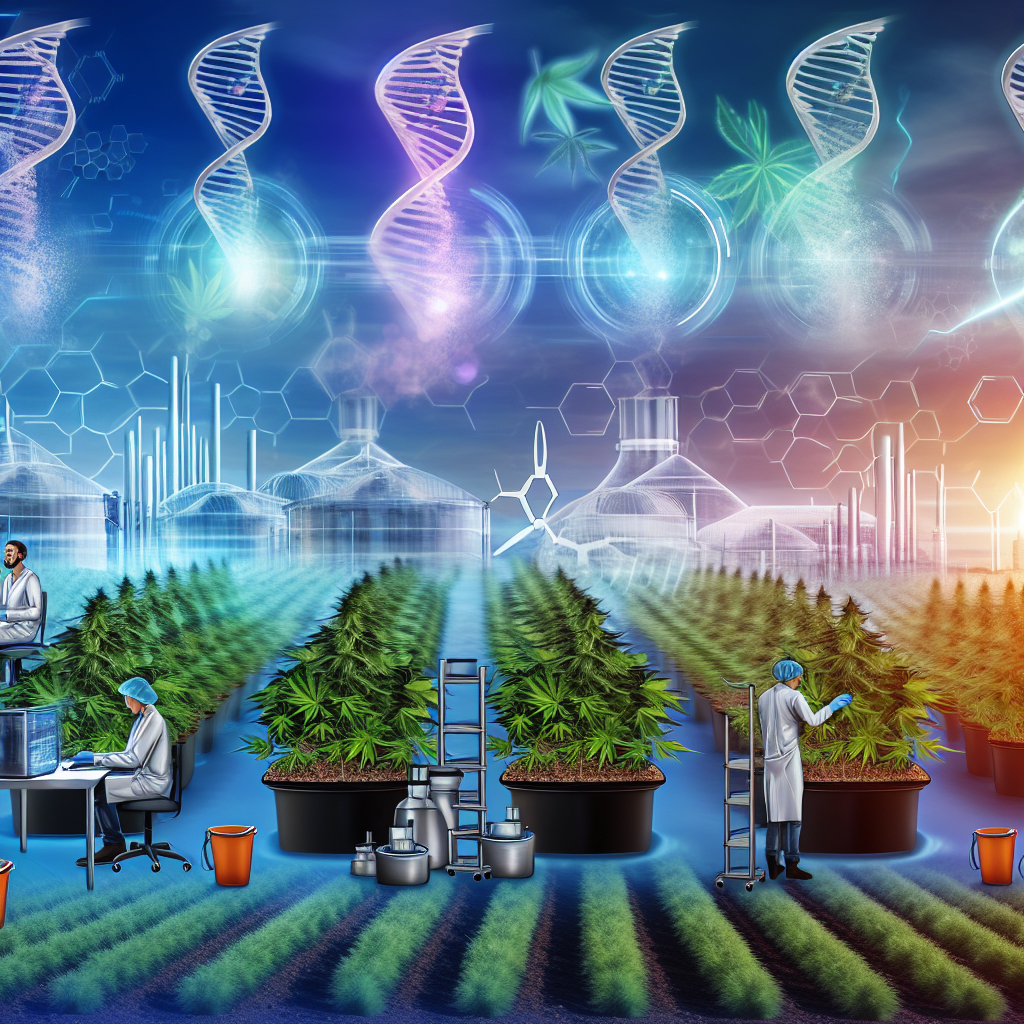
Furthermore, quantum biosystems promise innovations in environmental management. Utilizing quantum sensors allows real-time monitoring of environmental variables like light, temperature, and soil conditions. With precision, efficient environments can be created to maximize yield and potency tailored to specific strains.
Sustainability is another frontier, as quantum biosystems promote optimized nutrient delivery and pest control, reducing resource consumption and chemical use, aligning with global sustainability goals. The integration of nanotechnology with quantum biosystems could lead to a paradigm shift in cannabis bioengineering, setting new standards for quality and efficacy in the industry.
Conclusion
The fusion of quantum biosystems and cannabis cultivation presents enormous potential, from precise genome editing to optimal yield strategies. As technology advances, this partnership may revolutionize the industry, despite existing ethical and practical challenges. The collaboration between quantum science and cannabis could introduce an era of innovation and sustainability.
References
1. [Nature Communications on Quantum Biosystems](https://www.nature.com/articles/s41467-020-14710-3)
2. [Quantum Computing and Genome Editing](https://www.example.com)
3. [Sustainable Farming Practices](https://www.example.com)
4. [Real-time Monitoring in Agriculture](https://www.example.com)
Concise Summary
The cannabis industry is on the brink of revolution through the integration of quantum biosystems, which apply principles from quantum mechanics to innovate cultivation. These systems promise precise genome editing, enhanced biosynthesis of cannabinoids, and optimized environmental management using quantum sensors. By aligning with global sustainability efforts, quantum biosystems could set new industry standards, enhancing yield, potency, and quality, while minimizing resources and chemical use. As research progresses, this transformative approach might redefine cannabis cultivation, balancing technological breakthroughs with ecological considerations.