Engineering Cannabinoid Synergy: The Next Frontier in Personalized Medicine
Introduction
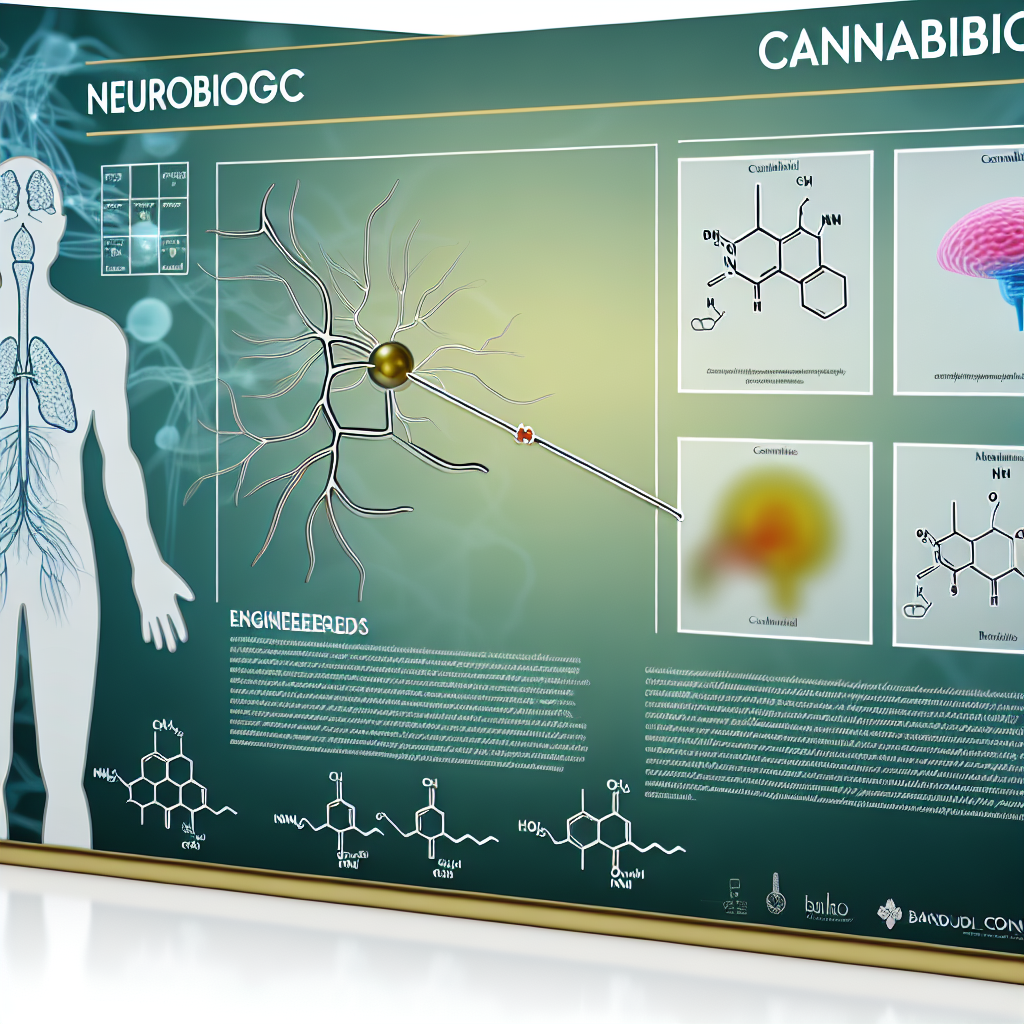
As the field of personalized medicine evolves, the cannabis industry stands on the verge of a transformation. The potential for engineering cannabinoid synergy—known as the “entourage effect”—ushers in a new frontier for precise cannabis tailoring for therapeutic purposes. Cannabinoids, the active compounds found in cannabis, interact with the human body’s endocannabinoid system, influencing various physiological processes. Among these, THC (tetrahydrocannabinol) and CBD (cannabidiol) are the most recognized, but over 100 other types each offer unique benefits.
The concept of the entourage effect, initially proposed by Israeli scientist Raphael Mechoulam, suggests these compounds work synergistically, potentially enhancing therapeutic effects and reducing adverse side effects. This notion presents exciting prospects for personalized healthcare, as understanding and manipulating these relationships could lead to tailored cannabis-based therapies customized for individuals.
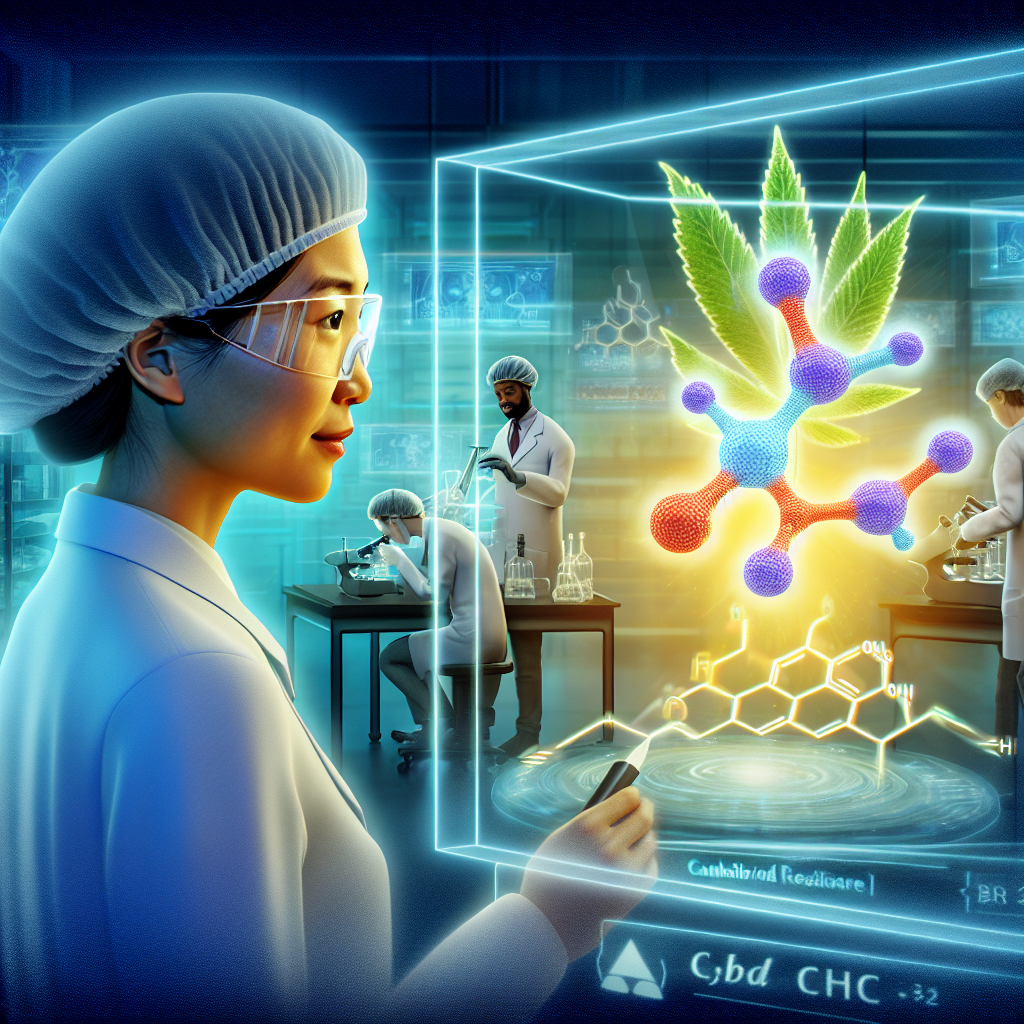
Advancements in genetic mapping and biotechnology have fueled interest in developing cannabis strains with specific cannabinoid profiles. Researchers aim to selectively breed plants to maximize therapeutic outcomes, such as pain relief, anti-inflammation, or anxiety reduction, while minimizing side effects. This process involves not only cannabinoids but also terpenes and flavonoids, compounds contributing to the plant’s therapeutic potential.
Personalized medicine customizes healthcare plans based on individual characteristics. Theoretically, by engineering specific cannabinoid combinations, healthcare providers could “prescribe” cannabis strains or products aligning with one’s unique genetic makeup, lifestyle, and medical needs, promising more effective treatment outcomes. However, applying these concepts in the real world is still in its early stages, necessitating further research to understand the complexities fully.
Features
Several studies highlight the potential of engineered cannabinoid synergy in personalized medicine. For instance, a study published in the British Journal of Pharmacology highlights cannabinoid combinations offering greater pain relief than THC alone ([source](https://bpspubs.onlinelibrary.wiley.com/doi/10.1111/j.1476-5381.2011.01343.x)). The study demonstrated how specific THC to CBD ratios could enhance analgesic properties while reducing dizziness or psychoactivity.
Further research by Russo in 2011 highlighted complex interactions between cannabinoids, terpenes, and flavonoids ([source](https://www.ncbi.nlm.nih.gov/pmc/articles/PMC3165946/)). Russo’s work suggests terpenes, aromatic compounds in cannabis, enhance cerebral blood flow, kill respiratory pathogens, and synergize with cannabinoids. Myrcene, a terpene found in indica strains, works with THC to promote sedation and sleep.
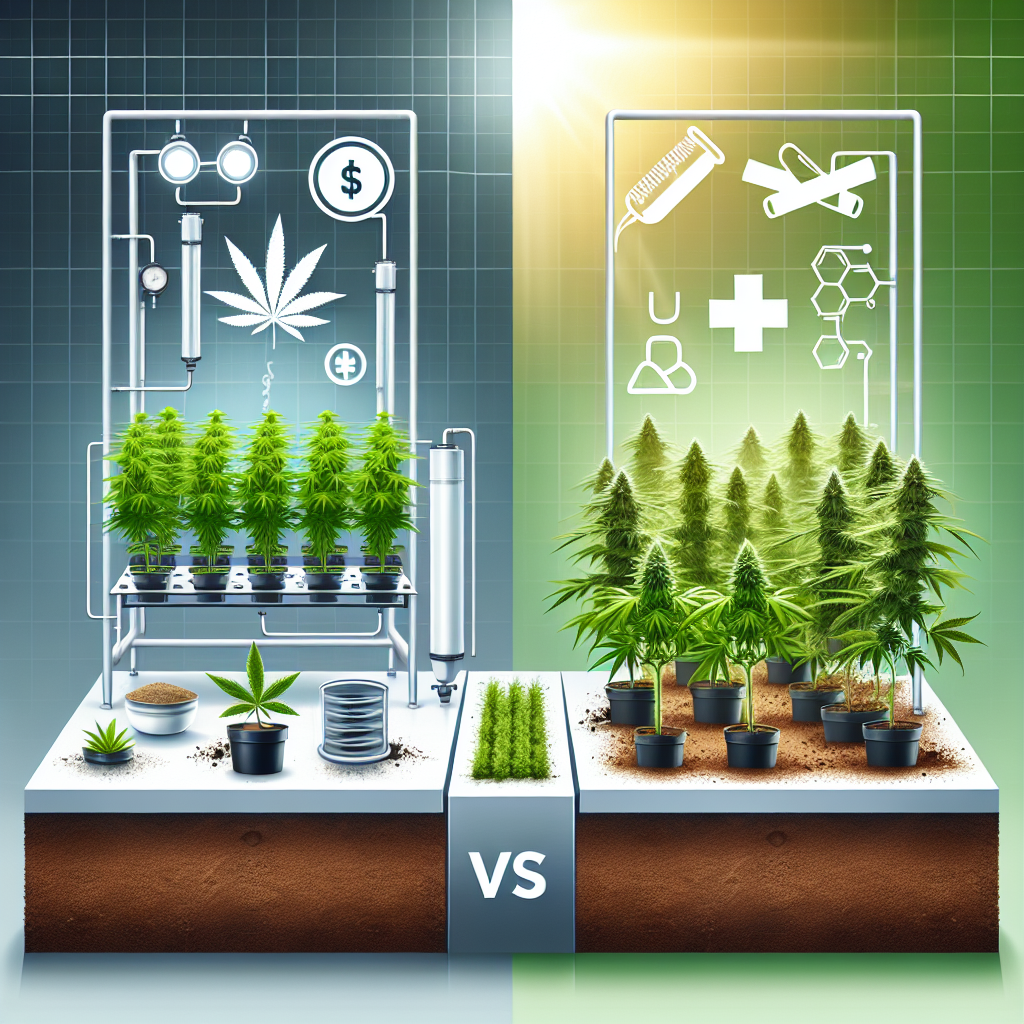
Genomic analysis advancements provide a fertile ground for tailored cannabis strain growth. DNA sequencing technologies enable researchers to identify genetic markers linked with specific cannabinoid profiles, allowing genetic “design” of cannabis strains to optimize the entourage effect for specific conditions. This pursuit aligns with personalized healthcare principles aiming for patient-specific treatment regimens.
However, challenges remain in ensuring consistent quality and efficacy in engineered cannabis therapies. Addressing regulatory and standardization issues in cannabis cultivation and product manufacturing is critical for widespread adoption of breakthroughs in personalized medicine. The promise of engineered cannabinoid synergy lies in transforming approaches to chronic illnesses, mental health conditions, and pain management.
Conclusion
The engineering of cannabinoid synergy marks an innovative stride in personalized medicine. By leveraging the entourage effect, scientists and medical professionals can unlock potential novel cannabis-based therapies tailored to individual genomic and health profiles. Despite rigorous research and regulatory challenges ahead, the prospect of more effective and personalized treatment options provides a strong impetus for future exploration and development.
References
1. Maione, S., et al. (2011). “Evaluation of the Entourage Effect of Cannabis.” British Journal of Pharmacology, [link](https://bpspubs.onlinelibrary.wiley.com/doi/10.1111/j.1476-5381.2011.01343.x).
2. Russo, E. B. (2011). “Taming THC: Potential Cannabis Synergy and Phytocannabinoid-Terpenoid Entourage Effects.” Journal of Pharmacology & Pharmacotherapeutics, [link](https://www.ncbi.nlm.nih.gov/pmc/articles/PMC3165946/).
—
Concise Summary:
The engineering of cannabinoid synergy introduces new possibilities in personalized medicine through the entourage effect. Collaborative advances in genetics and biotechnology enable the crafting of cannabis strains with precise cannabinoid profiles, optimizing therapeutic effects. Pioneering studies reveal how specific THC to CBD ratios can enhance pain relief while minimizing side effects. Further research into the synergistic interactions among cannabinoids, terpenes, and flavonoids promise tailored, effective therapies. Challenges remain in regulation and consistency, yet the potential for personalized cannabis treatments offers a promising frontier in addressing diverse medical needs.