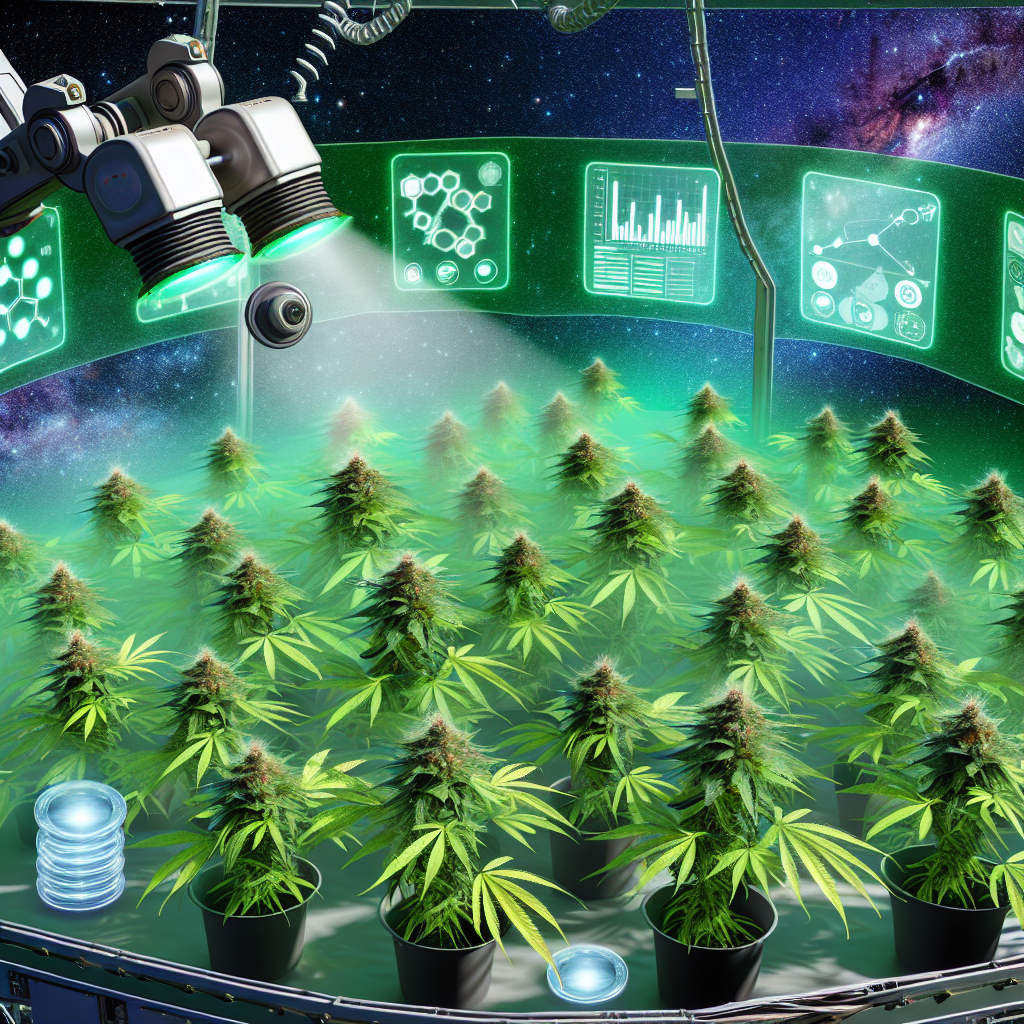
Cannabis in Space: Exploring Zero-Gravity Effects on Cultivation and Cannabinoid Profiles
Introduction
As humanity embarks on the journey of space exploration, the cultivation of plants aboard spacecraft and extraterrestrial habitats becomes crucial for food production, health, and sustainability in space colonies. One plant, cannabis, with its diverse utility—ranging from psychoactive properties to medicinal benefits—has piqued interest in space agriculture. While it might initially seem an unconventional choice, understanding how cannabis grows in space and how its cannabinoid profiles might change under zero-gravity conditions has significant implications for science and the cannabis industry on Earth.
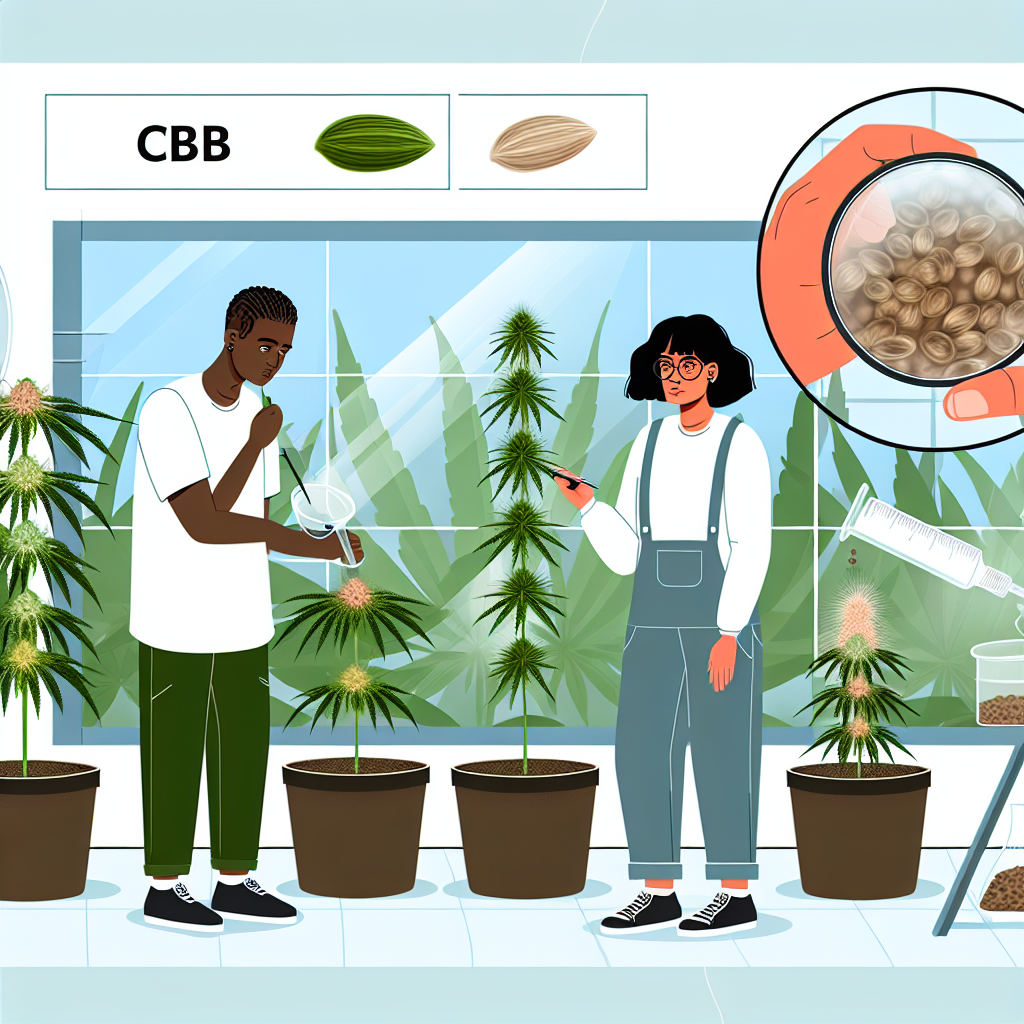
The cultivation of cannabis in space is part of the larger concept of ”space farming,” essential for long-term missions beyond Earth. The microgravity environment aboard the International Space Station (ISS) acts as a unique laboratory to study plant biology in ways not possible on Earth. Microgravity influences gene expression, growth, nutrient uptake, and water management, all critical factors for plant development. For cannabis, these changes could manifest not only in growth patterns but also in altering the plant’s chemical constituents, notably cannabinoids such as THC and CBD.
Cannabis cultivation in space also ties into psychological benefits for astronauts. The plant might mitigate stress, anxiety, or insomnia—common issues in long-term space missions. Moreover, cannabinoids could aid in neuroprotection against unexpected effects of cosmic radiation and prolonged weightlessness.
As interstellar missions advance, exploring cannabis in space could offer insights into innovative agricultural practices, potentially affecting plant cultivation methods on Earth. This article delves into current research on cannabis cultivation in space and its biological and chemical adaptations to zero-gravity conditions.
Features
Though direct research on space-grown cannabis is nascent, studies on plant growth in microgravity provide insights. NASA’s pioneering work with Arabidopsis and other plants aboard the ISS highlights that microgravity impacts root orientation, stem growth, and photosynthesis. Such findings suggest similar influences on cannabis cultivation.
One noteworthy study in Frontiers in Plant Science examined the growth and epigenetic changes of Arabidopsis and wheat in space environments. It documented altered gene expression related to stress responses and cell wall metabolism in microgravity. Given the genetic complexity of cannabis, similar responses may affect cannabinoid synthesis pathways, altering THC or CBD yields compared to Earth-grown counterparts.
In professional studies focusing on cannabis medicinal components, cannabinoids are well-documented for their therapeutic benefits, including anti-inflammatory, analgesic, anti-anxiety, and neuroprotective properties. A hypothesis by physiologist Dr. Chris M. Brown suggests that cannabis could be genetically modified to enhance cannabinoid profiles for space-specific stressors.
Moreover, a team with the University of Colorado investigates how other compounds in cannabis affect human physiology in space, possibly challenging existing beliefs and leading to groundbreaking applications for human health in extraterrestrial contexts. This research, featured in Science Direct, explores exploiting cannabis as a tool for astronaut health, balancing its various compounds.
Conclusion
As humanity eyes a future with sustained presence beyond Earth, understanding how cannabis reacts and adapts to space conditions could open new dimensions in space travel and agricultural science. Although studying and applying cannabis cultivation in space is just beginning, it promises intriguing developments in cannabinoid science and plant biology. At the intersection of botany and space exploration, this venture unlocks new horizons for cannabis, leading to innovative agricultural methodologies on Earth and beyond.
References
1. [NASA Space Biology: Studies on Plant Growth in Microgravity](https://www.nasa.gov/centers/ames/research/life-sciences/space-biology/plants.html)
2. [Frontiers in Plant Science – Space Genomics: Arabidopsis Epigenetic Changes](https://www.frontiersin.org/articles/10.3389/fpls.2017.01238/full)
3. [Science Direct – Current Studies on Cannabis and Human Physiology in Space](https://www.sciencedirect.com/science/article/abs/pii/S1043661821003684)
Concise Summary
This article explores the potential for cultivating cannabis in space, focusing on how it might grow under zero-gravity conditions such as those aboard the International Space Station (ISS). It delves into the implications for cannabinoid profiles affected by microgravity, highlighting possible benefits for astronaut psychological health and neuroprotection. The article further discusses how this research could lead to innovative agricultural practices both in space and on Earth, presenting a futuristic view where space farming includes cannabis as an important plant for both its medicinal properties and potential help in coping with space-specific challenges.