Vertical Farming Meets Cannabis: Revolutionizing Cultivation for Maximum Potency and Efficiency
Introduction:
The cannabis industry is experiencing a surge of innovation, paralleling other agricultural sectors, and at the forefront of this transformation is the adoption of vertical farming. This advanced cultivation method is not only changing how cannabis is grown but is also maximizing potency and efficiency in unprecedented ways. Vertical farming, a practice that involves stacking multiple layers of crops in controlled indoor environments, leverages technology to optimize space, resources, and yield.
Traditionally reliant on sprawling land and seasonal conditions, conventional cannabis cultivation faces several limitations, particularly related to environmental sustainability and resource efficiency. With the growth of the cannabis market in regions with legal access, there is increasing pressure to produce high-quality cannabis with minimal environmental impact. Vertical farming offers a solution by providing a sustainable, year-round growing environment that maximizes output while minimizing water usage—up to 70% less than traditional methods—and negating the need for herbicides and pesticides.
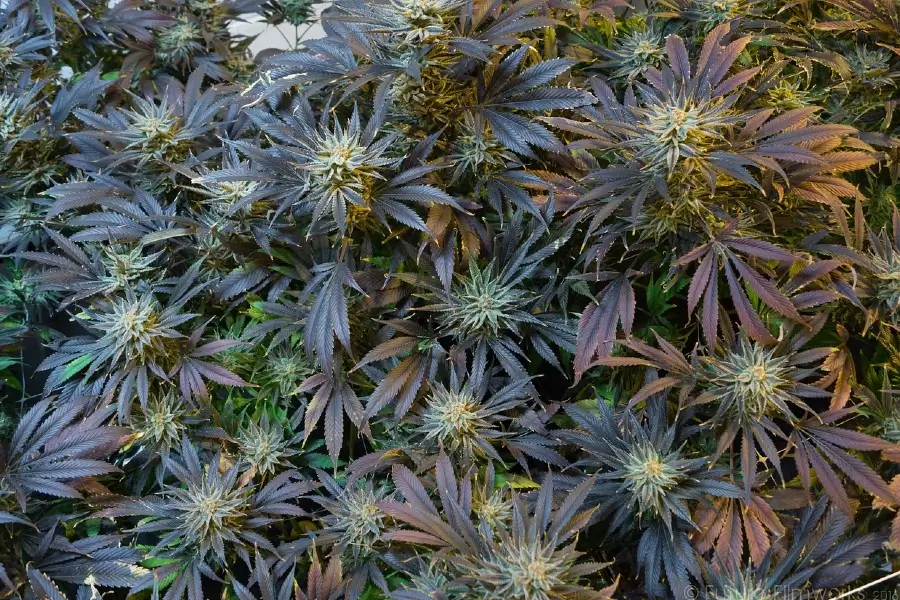
Moreover, the precision agriculture techniques employed in vertical farming can enhance the potency of cannabis by allowing growers to meticulously control variables such as light, temperature, and nutrients. This results in crops with optimized cannabinoid and terpene profiles, directly translating to higher quality products in terms of both efficacy and flavor. Additionally, vertical farming systems often incorporate renewable energy sources like solar panels, further enhancing their environmental credentials.
For cannabis producers, vertical farming presents a significant economic advantage. The initial investment in technology and infrastructure is offset by the increased yield per square foot and reduced operating costs. The ability to cultivate cannabis in urban areas means that producers can be closer to their markets, significantly reducing transportation costs and time-to-market.
Overall, the intersection of vertical farming with cannabis production represents a monumental shift towards more sustainable and efficient agricultural practices. As legal frameworks continue to evolve, vertical farming stands out as a beacon of innovation, promising to meet the growing demand for medicinal and recreational cannabis with finesse and responsibility.
Features:
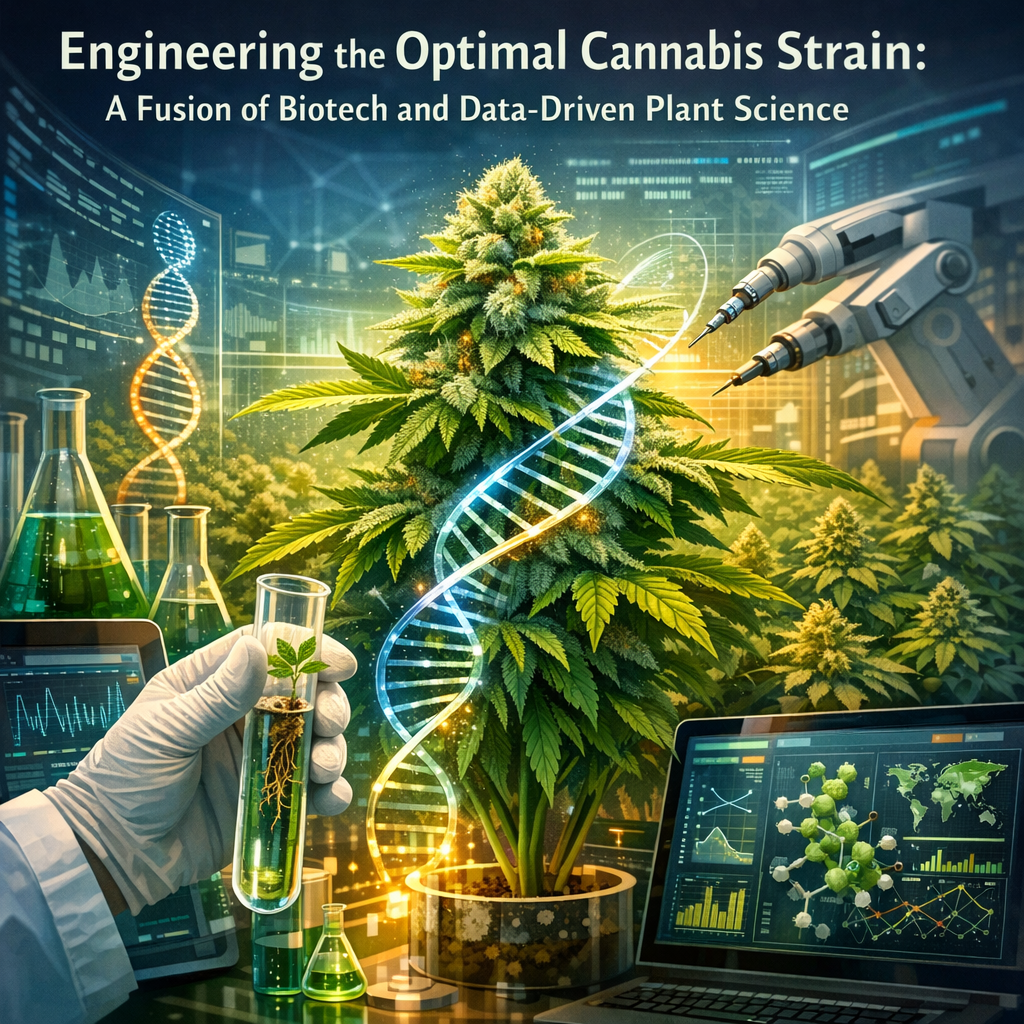
Recent advancements in vertical farming technology have opened new doors for cannabis cultivation, enabling precision agriculture techniques that were previously unattainable. Research into controlled environment agriculture (CEA) has been pivotal in making vertical farming viable for cannabis. Studies have shown that manipulating environmental conditions can significantly impact both the yield and the chemical profile of the cannabis plant.
One study published in the Journal of Cannabis Research explored the effects of light spectrum manipulation on cannabinoid synthesis. By adjusting wavelength and light intensity in a controlled indoor environment, researchers were able to enhance THC and CBD levels significantly compared to traditional greenhouse methods. These findings suggest that vertical farming allows for the precise tailoring of cannabis plants to produce specific desired characteristics, unlocking new possibilities for medical applications and consumer preferences [Journal of Cannabis Research](https://jcannabisresearch.biomedcentral.com/).
Furthermore, a trial conducted at the Netherlands’ Wageningen University, a leader in agricultural research, highlighted the efficiency of water usage in vertical systems. The study monitored water consumption across different plant species and confirmed that vertical farming could reduce water use by up to 95% while maintaining, if not increasing, biomass yield. This is particularly relevant to cannabis, a crop traditionally known for its high-water requirements [Wageningen University](https://www.wur.nl/en.htm).
Vertical farming’s capability to circumvent traditional agriculture’s ecological footprint is being recognized by environmental science as pivotal in reducing carbon emissions. Aspects such as reduced land usage and localized production diminish the broader impacts of conventional farming techniques, according to a report from the [Environmental Science & Technology Journal](https://pubs.acs.org/journal/esthag). This reflects positively on the cannabis industry, which has faced criticism for its ecological impact in places where intensive cultivation has been widespread.
Conclusion:
Vertical farming is setting a new benchmark for cannabis cultivation, merging ecological responsibility with cutting-edge technology to revolutionize the industry. By maximizing potency and efficiency, it meets the dual demand for high-quality cannabis and environmental stewardship. As the adoption of these techniques spreads, both consumers and professionals in the cannabis market can expect to witness an era of innovative growth and sustainable production.
Concise Summary
Vertical farming is transforming cannabis cultivation by enhancing production efficiency, optimizing resource use, and improving the quality of the final product. Through precise control of growth conditions, this method allows for year-round, sustainable farming that reduces environmental impact and resource consumption. Research shows significant improvements in yield and chemical profiles with tailored growth environments. The economic advantages, such as proximity to urban markets and lower logistics costs, position vertical farming as a revolutionary force in the expanding cannabis industry, aligning with the increasing demand for high-quality and responsibly produced cannabis.