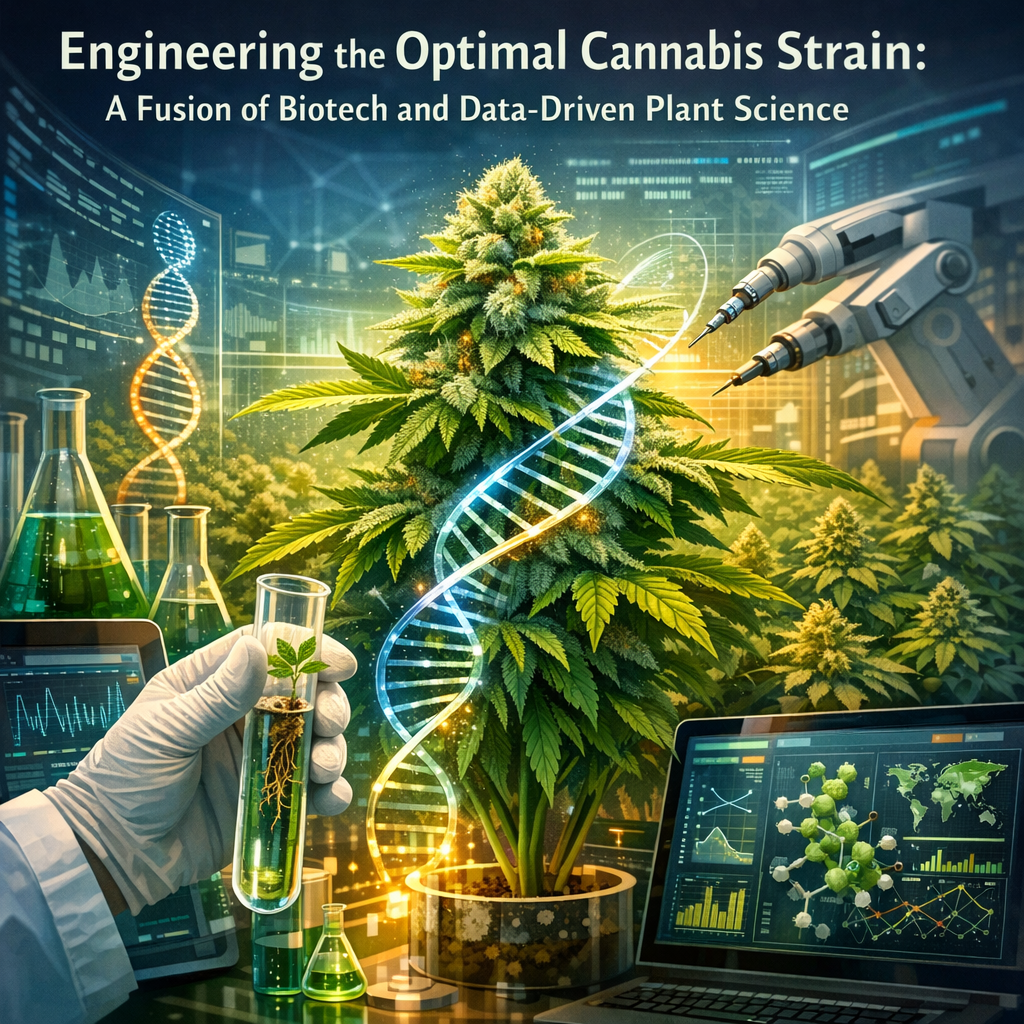
Engineering the Optimal Cannabis Strain: A Fusion of Biotech and Data-Driven Plant Science
*Topic Introduction:*
The cannabis industry has evolved significantly over the past few decades. Once a niche market, it is now a global industry fueled by legalization efforts and a growing consumer base seeking therapeutic and recreational cannabis products. As demand increases, there’s a pressing need to create strains with specific qualities like high yield, unique terpene profiles, and targeted cannabinoid content. This is where the fusion of biotechnology and data-driven plant science comes in, allowing for the engineering of the “optimal” cannabis strain.
In recent years, advancements in biotechnology have enabled scientists to manipulate cannabis at the genetic level. Tools such as CRISPR-Cas9 gene editing allow precise alterations to the cannabis genome, facilitating the development of strains with desired traits. These genetic modifications can improve pest resistance, enhance growth rates, or increase cannabinoid concentrations like THC and CBD. The role of bioinformatics and data science is critical in this process. The analysis of vast genetic datasets helps researchers identify genetic markers associated with specific plant characteristics, enabling more targeted breeding programs.
Moreover, the intersection of machine learning and big data analytics opens new pathways for innovation. By predicting how specific genetic modifications might affect plant development, scientists can expedite the creation of new strains, reducing the time and financial resources historically required for traditional breeding methods.
This intersection of biotechnology and data-driven plant science isn’t limited to lab exploration—it has real-world applications for cultivators and consumers. Cultivators can produce more resilient plants, crucial in an industry where harvest quality directly impacts financial viability. For consumers, these advancements mean access to a wider variety of products tailored to specific medicinal or recreational needs.
*Features:*
The push to create the optimal cannabis strain is supported by several groundbreaking studies and professional initiatives. One such effort is the Cannabis Genomic Research Initiative (CGRI) at the University of Colorado Boulder. This program explores the genomic cartography of cannabis to better understand how genetic variations affect plant traits like cannabinoid production and growth patterns. Their findings are crucial for guiding genetic engineering techniques that can yield consistent and robust strains. [CGRI](https://www.colorado.edu/initiative/cannabis-genomic-research-initiative)
In the realm of medical research, a study published in ”Frontiers in Plant Science” highlighted the importance of understanding cannabinoid biosynthesis pathways. This research not only aids in genetic editing but also in understanding how different growth conditions can optimize the health-related benefits of cannabinoids. [Frontiers in Plant Science](https://www.frontiersin.org/journals/plant-science)
Collaborations between biotech firms and agricultural researchers pave the way for advanced cultivation techniques. For instance, Phylos Bioscience, a company specializing in cannabis genetics, has developed a comprehensive genetic database of the cannabis plant. This database allows cultivators to track genetic diversity and optimize their breeding methodologies by selecting the best genetic combinations for specific goals. [Phylos Bioscience](https://www.phylos.bio/)
A recent medical study in ”Scientific Reports” investigates the role of terpenes, aromatic compounds found in cannabis, and their interaction with cannabinoids in producing the entourage effect—a phenomenon where the combined effects of cannabis compounds are greater than their individual effects. Understanding these interactions at a molecular level helps scientists tailor strains for specific therapeutic benefits, advancing the application of cannabis in pain management, anxiety reduction, and other medical conditions. [Scientific Reports](https://www.nature.com/srep/)
*Conclusion:*
The quest to engineer the optimal cannabis strain is a multidisciplinary endeavor that promises to revolutionize the industry through science and technology. By combining advances in biotechnology with data analytics, researchers and cultivators can develop cannabis strains that not only meet market demands but also advance medicinal applications. These scientific strides ensure that as the industry grows, so does the availability and quality of cannabis targeted for precise consumption needs. As we unlock the genetic secrets of cannabis, the possibilities for innovation remain as vast and evolving as the cannabis plant itself.
Concise Summary:
The cannabis industry is rapidly evolving, driven by legalization and increased consumer demand for therapeutic and recreational cannabis products. To meet this demand, the fusion of biotechnology and data-driven plant science is essential. By employing tools like CRISPR-Cas9 and analyzing big data, scientists can engineer optimal cannabis strains with specific traits. Initiatives like the Cannabis Genomic Research Initiative and collaborations between biotech companies and researchers further this goal. Such advancements promise not only to enhance cultivation but also to provide consumers with products tailored for specific needs, revolutionizing medical and recreational cannabis use.