From Genetic Code to Clinical Trials: The Next Frontier in Cannabis Bioengineering
Introduction
Cannabis science is poised for a revolution driven by advancements in genetic innovation and bioengineering. Central to this change is the ability to decode and modify the cannabis plant’s genetic code, enhancing its therapeutic potential and broadening clinical applications. Despite its historical use, modern research aims to develop cannabis strains with precise chemical profiles for targeted medical treatments, leveraging the intricate genomics and biotechnology. Over 100 cannabinoids exist in cannabis, including THC and CBD, with lesser-known compounds like CBG and CBN offering unique interactions with the human endocannabinoid system.
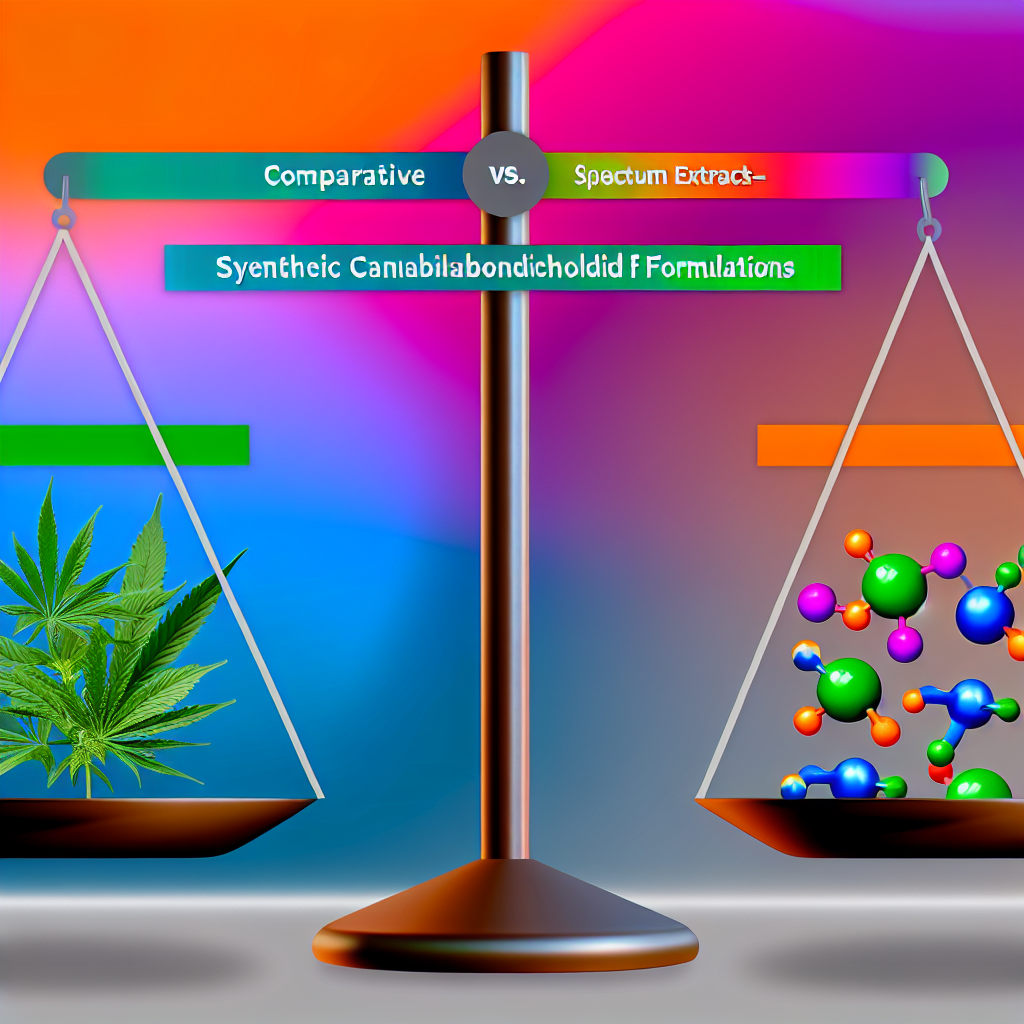
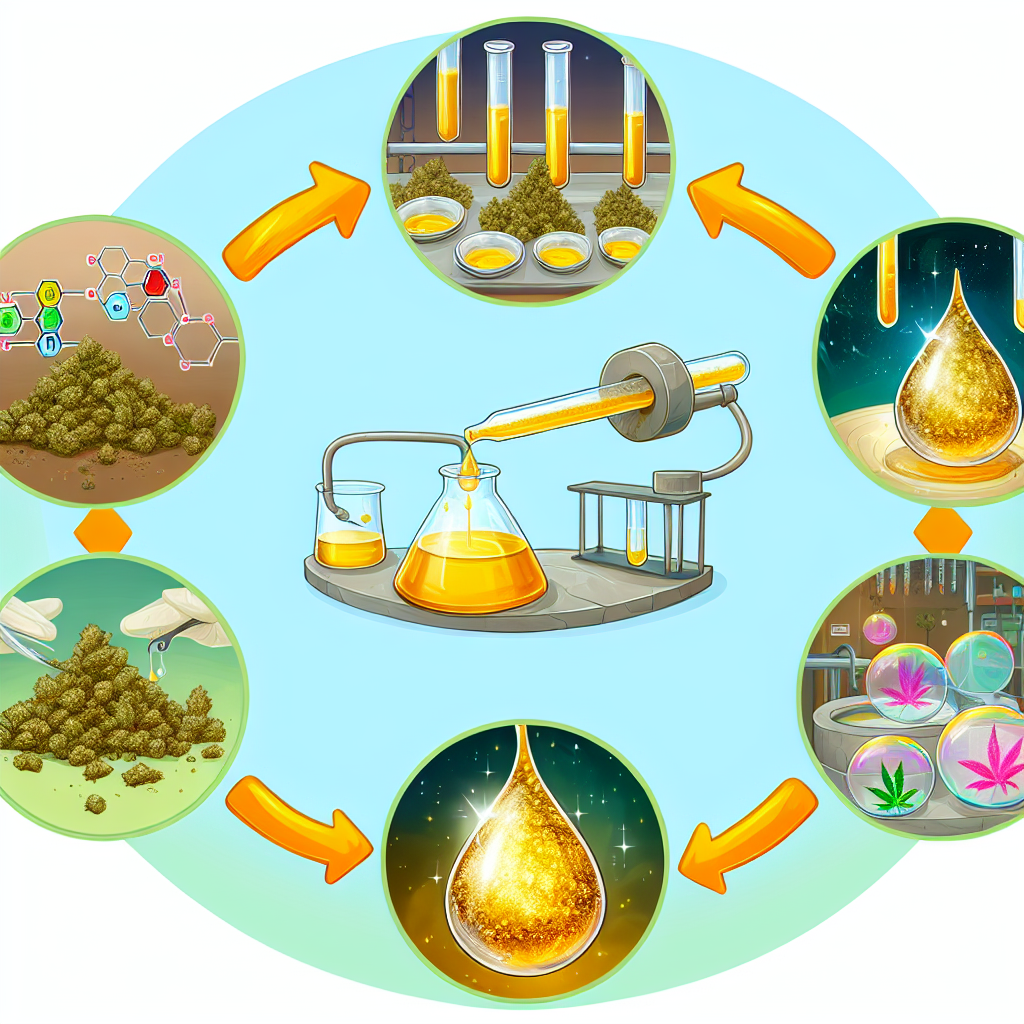
The complexity of cannabis compounds presents opportunities and challenges. By decoding the cannabis genome, scientists can breed plants to enhance or diminish specific cannabinoid levels, aligning plant profiles with medical requirements. This pursuit aims to maximize therapeutic benefits and minimize potential side effects, paving the way for more personalized treatments. CRISPR-Cas9 has enabled the precise manipulation of the cannabis genome, while biotechnology allows cannabinoid synthesis in bioreactors using genetically modified microorganisms.
The journey to clinical applications involves rigorous clinical trials to validate efficacy, safety, and dosage in cannabis-based therapies. This transformative approach holds promise for enhancing treatments for conditions like chronic pain, epilepsy, and anxiety, and exploring new applications in oncology and neurology.
Features
Recent advancements in cannabis bioengineering are supported by studies revealing their potential to revolutionize therapeutic practices. A study at the [University of Toronto](https://www.utoronto.ca/news) mapped the cannabis genome, providing insights into cannabinoid production, forming a foundation for selective breeding and genetic modification for therapeutic properties. The introduction of CRISPR-Cas9 in cannabis research marked a significant breakthrough. Researchers at [ETH Zurich](https://ethz.ch/en/news) enhanced cannabinoid levels through targeted gene editing, promising standardized quality and potency for cannabis products.
Bioengineering is further illustrated by studies on the microbial synthesis of cannabinoids. [Nature Communications](https://www.nature.com/articles) highlighted using genetically engineered yeast to produce cannabinoids traditionally sourced from cannabis plants. This method offers a controlled, cost-effective alternative to field cultivation, valuable for producing rare cannabinoids. Clinical trials, like the one in [The Journal of Clinical Pharmacology](https://ascpt.onlinelibrary.wiley.com/journal), are crucial to translate lab successes into practical solutions. These trials on bioengineered cannabis compounds show promise in treating chronic pain and inflammation, indicating more consistent therapeutic outcomes than traditional extracts.
These studies bolster evidence for integrating genetic and bioengineering innovations in cannabis research, moving from theoretical potential to practical application. The goal is to develop standardized, clinically approved treatments that address patient-specific needs and enhance life quality.
Conclusion
The frontier of cannabis bioengineering is ripe with possibilities, poised to reshape medicinal cannabis through genetic innovation and clinical validation. As research advances, these methodologies could refine and expand cannabis applications in medicine. Collaboration among geneticists, biotechnologists, and clinicians is essential to harness this transformative science, ultimately bringing innovative cannabis-based solutions from the lab to the clinic and beyond.
References
– [University of Toronto Study](https://www.utoronto.ca/news)
– [ETH Zurich CRISPR Study](https://ethz.ch/en/news)
– [Nature Communications Cannabinoid Synthesis Study](https://www.nature.com/articles)
– [The Journal of Clinical Pharmacology Trial](https://ascpt.onlinelibrary.wiley.com/journal)
Concise Summary
The integration of genetic innovation and bioengineering is transforming cannabis science, allowing for the precise modification of the cannabis genome. This enables the selective breeding of strains with optimized chemical profiles, potentially revolutionizing medical treatments by maximizing therapeutic benefits and minimizing side effects. Cutting-edge technologies like CRISPR-Cas9 and bioreactor synthesis promise standardized quality and scalable cannabinoid production. Rigorous clinical trials are essential for translating these innovations into effective cannabis-based therapies, potentially addressing various health conditions like chronic pain and epilepsy, and opening new applications in fields like oncology and neurology.