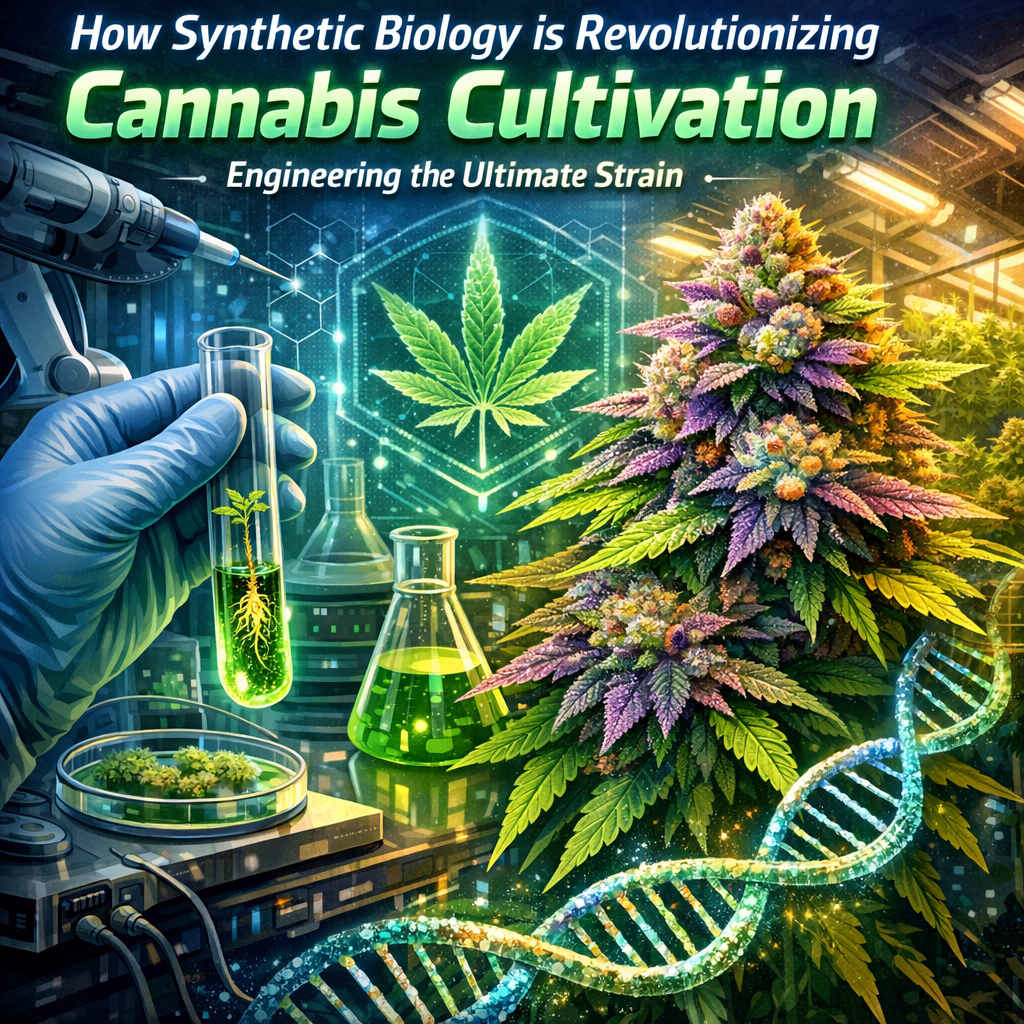
How Synthetic Biology is Revolutionizing Cannabis Cultivation: Engineering the Ultimate Strain
Introduction:
The world of cannabis cultivation is experiencing a profound transformation through advancements in synthetic biology. Once a niche sector, it is now at the intersection of biotechnology and innovation, heralding a new era of precision agriculture. These developments are significant for both seasoned marijuana professionals and consumers, offering strains with unparalleled potency, resiliency, and therapeutic benefits.
Synthetic biology involves designing and constructing new biological parts, devices, and systems, or redesigning existing natural systems for practical purposes. It leverages the precision of genetic engineering and predictability of computer modeling to manipulate organisms at the genetic level. In cannabis, this allows tweaking the plant’s DNA to enhance cannabinoid or terpene production while reducing vulnerabilities like susceptibility to disease or environmental stress.
Beyond mere genetic modification, it’s about crafting strains to meet specific market demands or medical needs. Imagine a cannabis plant engineered to produce higher cannabidiol (CBD) levels for potential relief from conditions like epilepsy or anxiety without the psychoactive effects of tetrahydrocannabinol (THC). Alternatively, consider a cultivar designed to thrive in a specific climate, reducing environmental impact and resource usage in traditional growing methods.
Synthetic biology also addresses sustainability challenges in cannabis cultivation. Traditional breeding methods are often resource-intensive and time-consuming, but engineered strains can achieve superior results swiftly. These advances could fundamentally alter the supply chain, enhancing inventory management precision and reducing wastage.
Features:
Recent studies highlight synthetic biology’s transformative potential in cannabis cultivation. For example, the Frontiers in Plant Science published research on CRISPR-Cas9, a groundbreaking genome-editing technology enabling precise genetic alterations (see [source](https://www.frontiersin.org/articles/10.3389/fpls.2021.693426/full)). CRISPR-Cas9 allows specific gene enhancement or suppression in cannabis plants, increasing yield, potency, and disease resistance.
Furthermore, research from the University of California, Berkeley, demonstrates yeast-engineered cannabinoid production in labs (see [source](https://www.nature.com/articles/s41587-018-0010-x)). This biotechnological breakthrough could bypass traditional plant cultivation, reducing production costs and ensuring consistent high-quality cannabinoid output. It provides a path to large-scale production of minimal-quantity cannabinoids like cannabigerol (CBG) and cannabichromene (CBC).
Synthetic biology also offers health and safety innovations. Researchers aim to engineer cannabis strains devoid of undesirable components like certain mycotoxins or allergenic compounds, making cannabis safer for more people (see [source](https://pubmed.ncbi.nlm.nih.gov/32375593/)).
Conclusion:
The fusion of synthetic biology and cannabis cultivation promises to redefine this age-old plant’s potential. As this biotechnological revolution unfolds, professionals and enthusiasts witness the crafting of strains catering to specific consumer needs while setting new sustainability and innovation standards in agriculture. As with any technological advancement, harnessing these capabilities requires thoughtful application and a commitment to ethical standards. The future of cannabis is as exhilarating as it is promising.
Concise Summary
Synthetic biology’s integration into cannabis cultivation is transforming the industry by allowing precise genetic modifications to enhance cannabinoid production, resilience, and therapeutic benefits. This innovation addresses sustainability issues, offering engineered strains that meet specific demands more efficiently. Studies utilize breakthroughs like CRISPR-Cas9 for genome editing and yeast synthetic production of cannabinoids, reducing costs and improving quality. The marriage of these technologies heralds a new standard in precision agriculture, promising significant advancements in strain development, sustainability, and medical applicability, while underscoring the necessity for thoughtful and ethical application.