Revolutionizing Cannabis Through Synthetic Biology: Designing the GMO Strains of the Future
Introduction
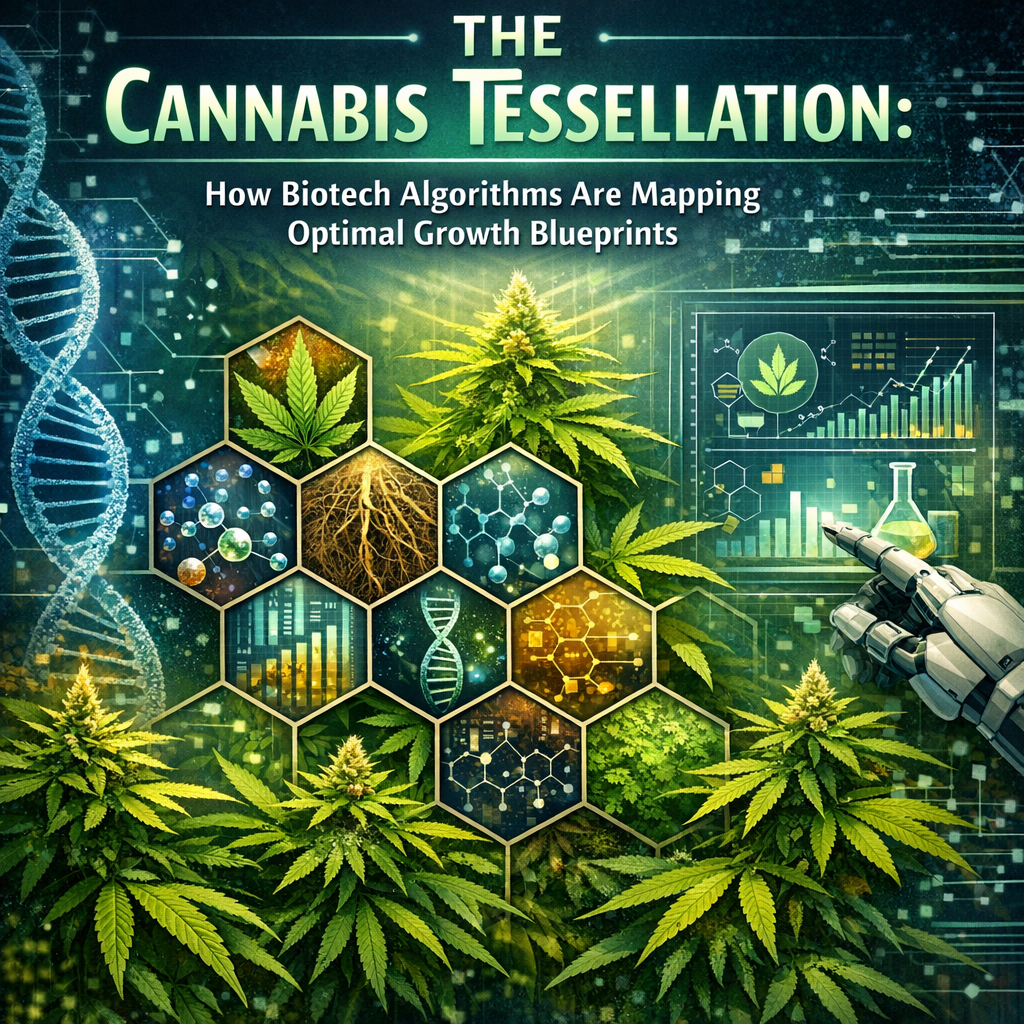
In recent years, the cannabis industry has experienced an explosion of growth and innovation, driven by the legalization in many parts of the world and a surge in consumer interest. However, while traditional breeding techniques have long been the backbone of strain development, the next frontier in cannabis cultivation promises to elevate this craft to unprecedented levels: synthetic biology. This cutting-edge field, which involves the application of engineering principles to biology, poses the exciting potential to create genetically modified organisms (GMOs) tailored for specific therapeutic purposes, enhanced yield, or novel chemical profiles.
Synthetic biology combines advances in molecular biology, genetic engineering, and computational biology to design and construct new biological parts, devices, and systems. In the realm of cannabis, this could mean developing strains with enhanced traits, such as increased potency, novel cannabinoid profiles, or unique flavor and aroma characteristics that have never been achieved through traditional breeding. The GMO strains of the future hold the promise of not only improving consumer experiences but also advancing medical marijuana applications by tailoring strains to treat specific conditions or symptoms more effectively.
Moreover, synthetic biology could revolutionize the sustainability of cannabis cultivation itself. By engineering cannabis plants that require less water, nutrients, or pesticides, the environmental footprint of cannabis farming could be significantly reduced. Cannabis designed to be more resilient in various climates may also open up new geographical areas for cultivation, reducing transportation emissions and costs.
This arena of innovation is not without its challenges and ethical considerations, as the term ”GMO” often raises concerns related to safety, environmental impact, and the integrity of natural species. However, with careful regulation and transparent research practices, the potential benefits of synthetic biology in cannabis development can be realized. As we stand on the brink of this technological revolution, understanding the science and implications of GMO cannabis is crucial for both consumers and professionals in the industry.
Features
Significant interest and research focus on synthetic biology’s potential applications in cannabis are unfolding. Preliminary studies suggest that genetic modification can be leveraged to produce strains with enhanced cannabinoid production, potentially leading to cannabis varieties with higher concentrations of THC, CBD, and minor cannabinoids such as CBG and CBC. These advancements could optimize the plant’s natural capabilities and provide more tailored treatments for conditions like epilepsy, chronic pain, and anxiety.
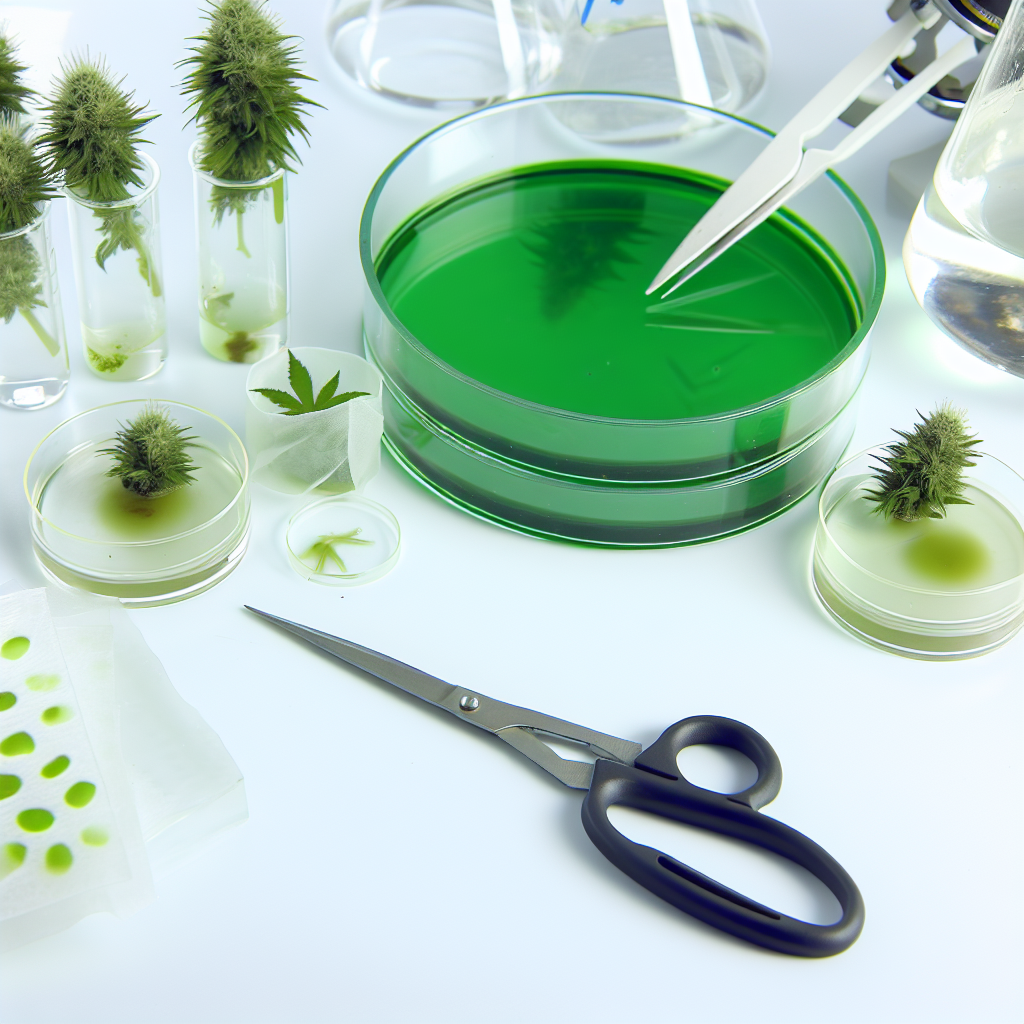
One remarkable study from the University of California, Berkeley successfully synthesized cannabinoids in yeast, showcasing a method for producing cannabinoids without the plant itself. This method highlights the possibility of creating pharmaceutical-grade cannabinoids on a large scale, which could lower costs and increase accessibility for patients and researchers alike.
Additionally, researchers at the Technical University of Denmark have been exploring the potential of modifying terpenes in cannabis plants. Terpenes give the plant its distinctive aroma and also contribute to its therapeutic effects. By manipulating the terpene profile through genetic engineering, new strains could be developed with specific therapeutic properties to enhance or modulate the effects of THC and CBD through the entourage effect.
However, these innovations come with the need for comprehensive regulatory and safety assessments. The biosafety of GMO cannabis, potential allergenicity, and ecological impacts must be thoroughly evaluated. Studies on the environmental impact suggest that while GMO strains could reduce pesticide use and increase resource efficiency, they may also pose risks if not managed properly. The key to the responsible development of GMO cannabis stretches beyond scientific achievement and into the realm of policy-making and public discourse.
As research continues to make strides in synthetic biology, collaborations between scientists, cannabis growers, regulatory bodies, and industry stakeholders will be essential. Transparency and ongoing dialogue will ensure that the development of GMO cannabis is both safe and beneficial, addressing public concerns and fulfilling its vast potential.
Conclusion
The integration of synthetic biology into cannabis cultivation represents a thrilling convergence of tradition and technology. While the prospect of GMO cannabis strains holds enormous promise for improved efficacy, sustainability, and consumer choice, it also necessitates a balanced approach to innovation, regulation, and ethics. As the field progresses, the cooperation between scientific research and industry stakeholders will be pivotal in shaping a future where cannabis is not only a product of the soil but also a marvel of human ingenuity.
References
1. UC Berkeley News. Yeast produces ‘novel’ cannabinoids.
2. Technical University of Denmark. Innovative terpene engineering in cannabis.
3. Nature Biotechnology. Synthetic biology approaches for cannabinoid production.
Concise Summary
The integration of synthetic biology in cannabis cultivation could revolutionize the industry by creating genetically modified strains designed for specific therapeutic and commercial purposes. This technology enables enhanced cannabinoid production and novel terpene profiles, promising improved consumer experiences and advanced medical applications. Despite the potential benefits, GMO cannabis development entails challenges, including regulatory and ethical considerations. Studies such as synthesizing cannabinoids in yeast and modifying terpenes through genetic engineering highlight the innovation potential. Transparent collaboration among scientists, growers, and policymakers is critical to ensuring safe, sustainable, and beneficial GMO cannabis utilization.