The Revolutionary Impact of CRISPR in Customizing Cannabinoid Profiles
Introduction
The emergence of CRISPR technology has ignited a scientific revolution with its ability to edit genes with unprecedented precision. CRISPR, short for Clustered Regularly Interspaced Short Palindromic Repeats, has transformed genomic research, offering extensive applications in medicine, agriculture, and more recently, the cannabis industry. Cannabis, a plant historically stigmatized, is undergoing its own renaissance, driven by a wave of legalization and burgeoning research into its complex chemistry. Central to this are the cannabinoids, unique compounds that endow the plant with its therapeutic and recreational characteristics. Cannabinoids like THC and CBD are just the tip of the iceberg; there are over a hundred identified cannabinoids, each with its own potential benefits and effects.
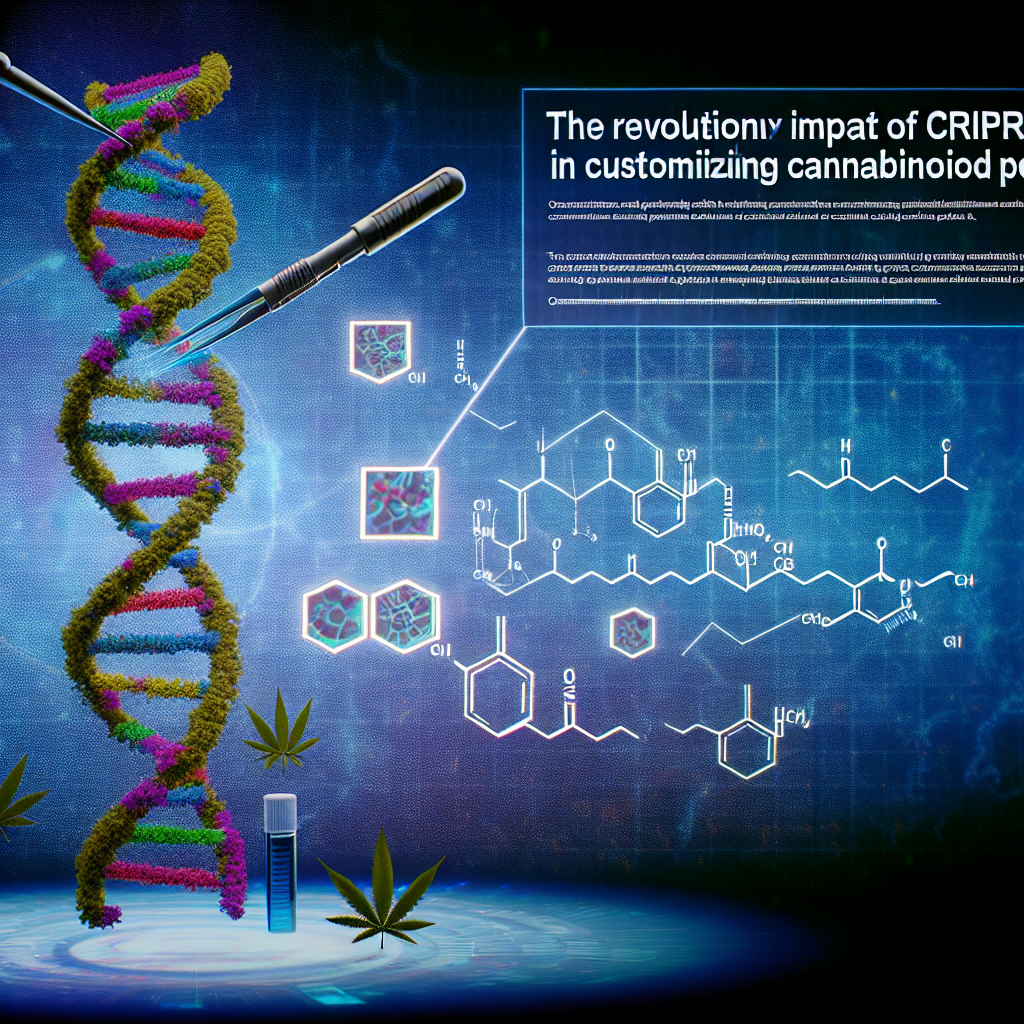
The exploding interest in cannabinoids has fueled the pursuit to customize and enhance their profiles for targeted effects. Here, CRISPR technology promises to be a game-changer. By using CRISPR, scientists can precisely alter the cannabis plant’s genome to amplify the production of beneficial cannabinoids or suppress unwanted ones. This precise customization can lead to plants designed for specific therapeutic needs, offering tailored treatment options for conditions like epilepsy, chronic pain, anxiety, and more.
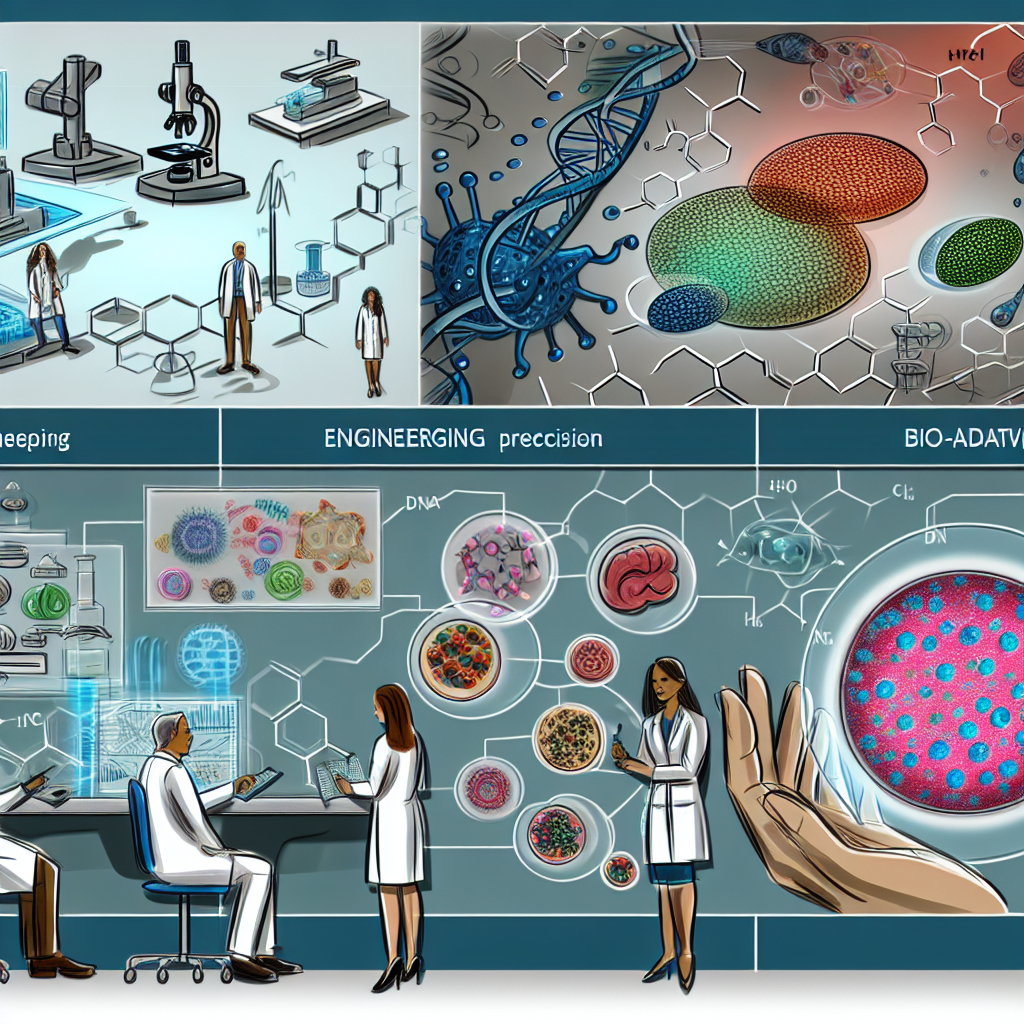
One significant advantage of using CRISPR in cannabis cultivation is the potential for more efficient and sustainable production methods. Traditional breeding techniques to enhance certain traits can be time-consuming and imprecise. With CRISPR, desired attributes such as higher yield of specific cannabinoids or enhanced resistance to diseases can be engineered directly, reducing dependence on pesticides and optimizing resource use.
Moreover, the ability to tweak cannabinoid profiles using CRISPR technology opens up possibilities for creating entirely new compounds. These novel cannabinoids could possess therapeutic properties previously unexplored, broadening the scope of cannabis applications in medical treatment. This innovation aligns with the trend towards personalized medicine, where treatments are customized to fit individual genetic profiles, maximizing efficacy and minimizing side effects.
Features
Research into CRISPR’s application in cannabis is in its infancy but quickly gaining traction. A landmark study conducted by researchers at the University of California, Berkeley, demonstrated CRISPR’s use in editing the THCAS gene, responsible for THC production. By inactivating this gene, they successfully altered the plant’s THC content, paving the way for creating low-THC hemp varieties suitable for industrial use [UC Berkeley Study](https://news.berkeley.edu/).
Additionally, a collaboration between biotechnology company Front Range Biosciences and the University of California is exploring how CRISPR can be used to improve cannabis plant resilience to environmental stressors. These efforts are crucial for developing strains that can thrive in a variety of climates while maintaining optimal cannabinoid production [Front Range Biosciences Collaboration](https://www.businesswire.com/).
On the medical front, the implications of customized cannabinoid profiles are profound. A study published in *Nature* highlights CRISPR’s potential in tailoring cannabinoids for specific medical conditions. For example, enhancing the CBD content while minimizing THC can create strains ideal for epilepsy treatment, potentially with fewer psychoactive effects [Nature Study](https://www.nature.com/).
The precision of CRISPR also enables the exploration of the so-called “entourage effect,” where multiple cannabinoids and terpenes work synergistically to enhance therapeutic outcomes. Through targeted gene editing, scientists can balance these components, optimizing the plant’s medicinal properties. This capability moves cannabis-based treatments closer to mainstream medicine by offering consistency and reliability in cannabinoid production and effects.
Despite the promise, ethical and regulatory considerations play a significant role in the adaptation of CRISPR technology. The cannabis industry, like human genetics, will require stringent oversight to prevent unchecked genetic modifications that may have unforeseen ecological or health consequences. Collaborative efforts between scientists, ethicists, and policymakers will be essential in navigating these challenges to achieve a harmonious integration of this technology.
Conclusion
The integration of CRISPR technology in customizing cannabinoid profiles heralds a new era for cannabis cultivation and its application in medicine. By harnessing this groundbreaking technology, the potential for tailored cannabis strains that address specific health conditions is immense. As research advances, CRISPR holds the promise not only to revolutionize how we cultivate and utilize cannabis but also to contribute significantly to the field of personalized medicine, shaping the future of holistic and effective therapeutic options across the globe.
Concise Summary: CRISPR technology is revolutionizing cannabis cultivation by enabling precise genetic alterations to optimize cannabinoid profiles. This advancement holds potential for creating cannabis strains tailored to specific therapeutic needs, enhancing medical efficacy while minimizing side effects. The technology could also aid in producing new cannabinoid compounds and supporting sustainable cultivation practices. Key collaborations and studies are exploring these possibilities, while ethical and regulatory considerations remain crucial for responsible implementation. As the field progresses, CRISPR could significantly impact personalized medicine and mainstream cannabis-based treatments.