Biotechnology-Driven Cannabinoid Synthesis: The Next Frontier in Designer Cannabis Medicine
Introduction
The landscape of cannabis medicine is experiencing a paradigm shift, driven by the intersection of biotechnology and cannabinoid synthesis. As consumer interest leans increasingly towards personalized medicine, the cannabis industry is poised on the brink of transformation. Traditional cannabis cultivation, while effective, has limitations in terms of speed, consistency, and the range of accessible cannabinoids. Enter biotechnology—a sophisticated field offering the promise of precision, scalability, and innovation in the creation of designer cannabinoids.
At the heart of this movement lies biosynthesis: a process where living organisms, like yeast or bacteria, are engineered to produce cannabinoids. This advanced method bypasses the agricultural hurdles of growing cannabis plants, allowing for the production of cannabinoids in controlled environments. The implications are significant; individualized medicine becomes more achievable as researchers can tailor-make cannabinoids to meet specific therapeutic needs. For consumers, this means potential access to a wider array of cannabinoid-based treatments, each designed with specific potency and effects in mind.
Moreover, biotechnology-driven synthesis offers a sustainable alternative to traditional cultivation. The environmental toll associated with water usage, land resources, and pesticides is reduced, marking a progressive step towards eco-friendly cannabis production. With consumers and professionals alike prioritizing sustainability, the appeal of lab-grown cannabinoids is undeniable.
The enthusiasm surrounding biotechnology in cannabis is supported by substantial investments in research and development. Companies in cannabis and pharmaceutical industries are racing to patent processes and strains, indicating a robust interest in exploiting this confluence of technology and traditional medicine. The potential applications span a variety of fields—from chronic pain and mental health disorders to rare neurological conditions—offering glimpses into a future where precise cannabinoid profiles could revolutionize treatment paradigms.
Features
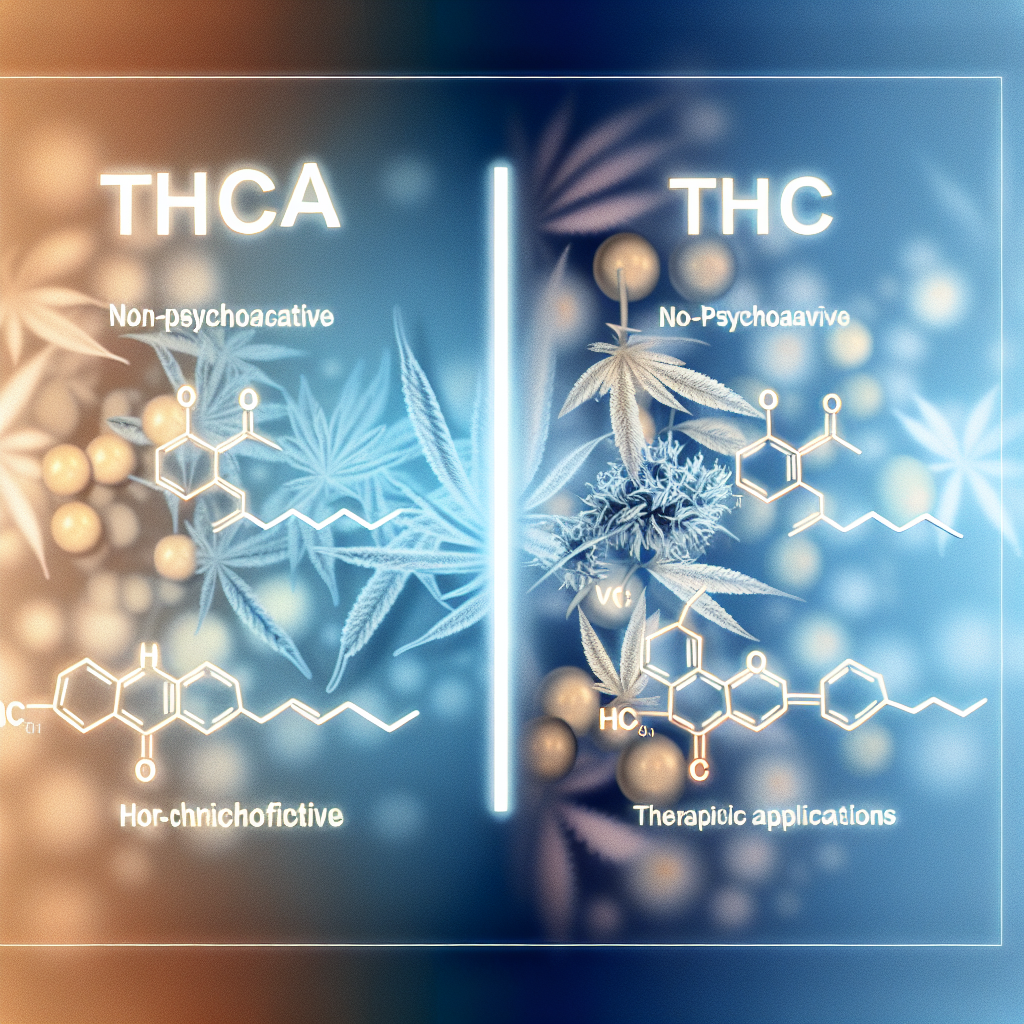
Significant strides have been made in biotechnology-aided cannabinoid synthesis, highlighting its potential to reshape cannabis medicine. Recent studies have laid the groundwork for developing and adopting these techniques on a commercial scale. For instance, a groundbreaking study published in Nature Chemical Biology showcased the successful biosynthesis of THCA (the precursor to THC) and CBDA (the precursor to CBD) using engineered yeast strains [1](https://www.nature.com/articles/nchembio.2550). This marks a promising advancement towards producing rare and often expensive cannabinoids on a larger scale.
Moreover, researchers at UC Berkeley have refined a process for producing cannabinoids using strains of brewer’s yeast, significantly reducing production costs and timelines while increasing the purity and variety of cannabinoids available [2](https://news.berkeley.edu/2019/02/27/new-way-to-produce-vast-quantities-of-useful-oils-and-cannabinoids-in-yeast/). This innovation not only makes cannabinoid production more cost-effective but also opens the door to cannabinoids that are challenging to isolate through traditional plant cultivation.
From a medical standpoint, the biotech approach has profound implications. The precise control over cannabinoid profiles enables the tailoring of treatments to address specific conditions effectively. For instance, in epilepsy, there is promise in manipulating cannabinoid ratios to enhance therapeutic outcomes while minimizing side effects, as suggested by ongoing research into specific cannabinoids and terpenes for seizure management [3](https://www.epilepsy.com/release/2018/12/cannabinoid-synthesis-breakthrough-epilepsy-treatment).
Furthermore, an emerging body of work is exploring the role of minor cannabinoids, such as CBG (cannabigerol) and CBC (cannabichromene), both of which have shown potential in preliminary studies for their anti-inflammatory and analgesic properties [4](https://www.frontiersin.org/articles/10.3389/fphar.2021.637032/full). By employing biosynthesis, scientists can produce these lesser-known cannabinoids in adequate quantities for clinical testing, advancing the exploration of their medical benefits.
Conclusion
Biotechnology-driven synthesis of cannabinoids represents the vanguard of designer cannabis medicine, offering the promise of precision, sustainability, and expanded therapeutic options. As ongoing research continues to refine and validate these techniques, the potential to revolutionize personalized medicine and broaden the spectrum of available treatments grows more tangible. The convergence of cannabis and biotechnology stands to redefine our understanding and approach to cannabis-based therapies, setting the stage for a new era in medical innovation.
Concise Summary
Biotechnology-driven cannabinoid synthesis is transforming the cannabis medicine landscape by enabling the production of cannabinoids in controlled environments using organisms like yeast and bacteria. This approach aids in personalized medicine by tailoring cannabinoids to specific therapeutic needs, offering sustainability through reduced environmental impact. Significant advancements in biosynthesis allow for cost-effective and scalable production of rare cannabinoids, impacting treatments for chronic pain, mental health disorders, and neurological conditions. The integration of cannabis with biotechnology represents a promising development in precision medicine, expanding the potential for innovative cannabis-based therapies.