Neuropharmacology of Cannabinoids: Unlocking the Brain’s Potential for Precision Medical Treatments
Introduction
The quest to understand the intricacies of the human brain has been a focal point of scientific research for decades. As we uncover more about this complex organ, one area gaining significant attention is the neuropharmacology of cannabinoids—chemical compounds found in the cannabis plant. The growing body of research in this field is reshaping our understanding of brain function and paving the way for innovative and precision-based medical treatments.
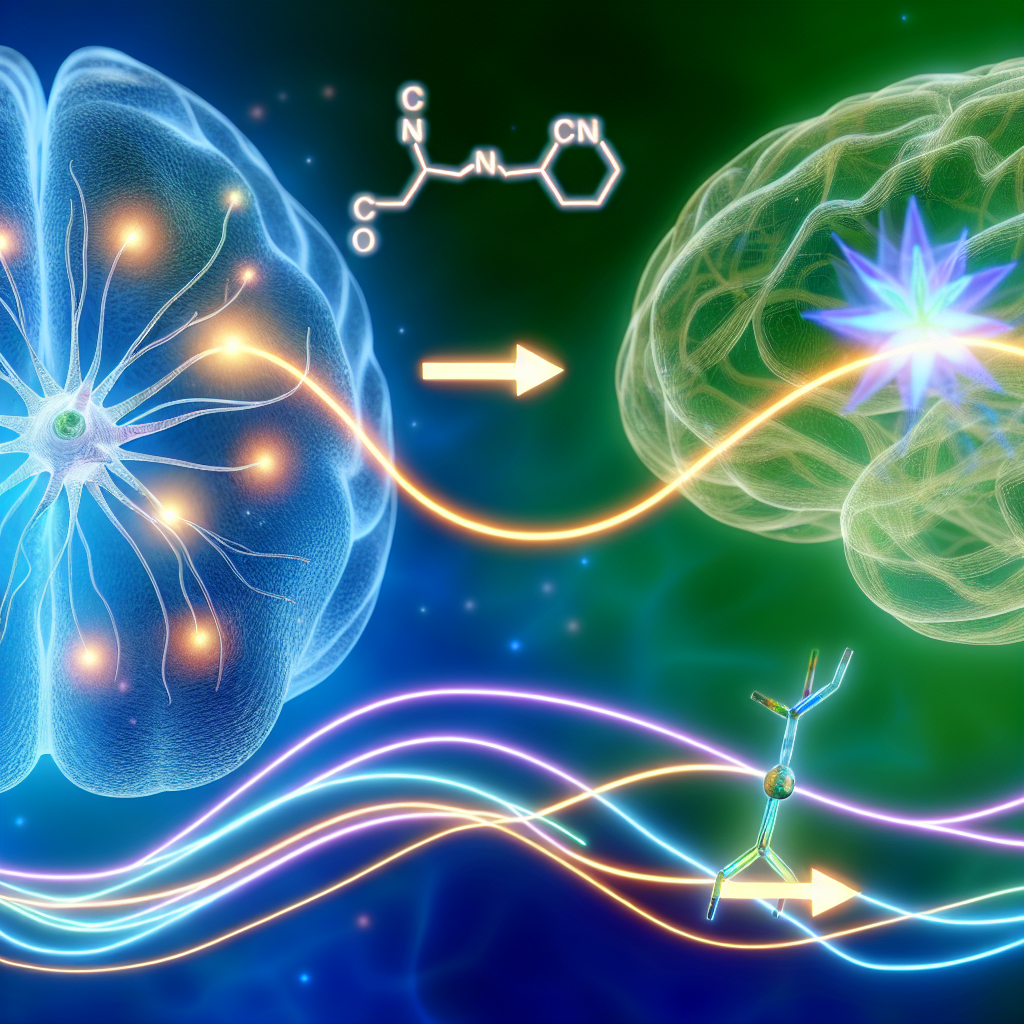
Cannabinoids interact with the endocannabinoid system (ECS), a signaling network essential for maintaining homeostasis in the body. The ECS comprises cannabinoid receptors, endocannabinoids, and the enzymes that synthesize and degrade them. Cannabinoids like THC (tetrahydrocannabinol) and CBD (cannabidiol) exert their effects by binding to cannabinoid receptors, predominantly CB1 receptors in the brain. These interactions have profound effects on mood, memory, pain sensation, and immune response, making them powerful therapeutic agents for a range of conditions.
In recent years, the scope of research on the neuropharmacology of cannabinoids has broadened significantly, thanks to the increasing legalization and acceptance of medical cannabis. Scientists are now conducting studies that delve deeper into the molecular and cellular interactions driven by cannabinoids. This research is crucial for the development of precision medicine strategies tailored to leverage specific cannabinoid profiles for targeted therapeutic outcomes. Patients and healthcare providers are becoming more aware of how cannabis-derived treatments can offer more effective and personalized healthcare solutions, especially for conditions traditionally challenging to manage with conventional medications.
Cannabinoids hold a promising place in the landscape of modern medicine. By exploring their neuropharmacological properties, scientists hope to unlock novel approaches to treatment that go beyond the broad-brush strategies of current medical practices. This could herald a new era of precision medicine where treatments are specifically designed not only to alleviate symptoms but also to target the underlying neurological processes in individual patients. For cannabis professionals and consumers alike, understanding these potentials can guide informed decisions and innovative practices in using cannabis for health and wellness.
Features
The burgeoning field of cannabinoid research is supported by a plethora of scientific studies underscoring its medical potential. A landmark study published in *Nature* explored how THC and CBD modulate neurotransmitter release in the brain. Researchers found that cannabinoids could dampen the release of excitatory neurotransmitters, highlighting their efficacy as potential therapeutic agents for neurodegenerative disorders like Alzheimer’s and Parkinson’s disease.
Another pivotal research published in *The Journal of Neuroscience* focuses on the role of the CB1 receptor in the modulation of neural circuits implicated in pain and emotion regulation. The study demonstrated that cannabinoid activation of CB1 receptors leads to pain relief and a reduction in anxiety-like behaviors, presenting promising implications for developing treatments for chronic pain and psychiatric disorders.
In psychiatric applications, a study in *Translational Psychiatry* examined the effects of CBD on anxiety. The double-blind, placebo-controlled study found that CBD significantly reduced anxiety levels, with none of the side effects commonly associated with traditional anti-anxiety medications. This highlights the potential for cannabinoids to be integrated into precision medical treatments for anxiety disorders.
Furthermore, ongoing research is exploring the potential of cannabinoids in addressing treatment-resistant epilepsy. A study published in *Epilepsy & Behavior* reported that CBD-enriched medical cannabis formulations significantly reduced seizure frequencies in pediatric patients with epilepsy. These findings suggest that cannabinoids could be tailored to individual genetic and biochemical profiles, offering personalized and effective epilepsy management.
As we continue to unravel the neuropharmacological potential of cannabinoids, their versatility and potency become apparent. By integrating cannabinoid research into mainstream medical practices, the goal is to harness their neuroprotective and modulatory properties to develop precise and personalized therapies for a wide range of neurological, psychiatric, and chronic inflammatory diseases.
Conclusion
As the understanding of cannabinoid neuropharmacology matures, its integration into precision medicine holds transformative potential. By leveraging the unique interactions between cannabinoids and the endocannabinoid system, cutting-edge treatments are becoming a reality, offering hope for more personalized and effective medical interventions. As research progresses, the blend of clinicians, cannabis professionals, and informed consumers will play a crucial role in unlocking this potential, ensuring cannabis-derived therapies are safely and effectively integrated into healthcare frameworks.
Concise Summary
The exploration of cannabinoid neuropharmacology is ushering in a new era of precision medicine by leveraging the interactions between cannabinoids and the endocannabinoid system. Recent research highlights cannabinoids’ potential in treating neurodegenerative disorders, anxiety, chronic pain, and treatment-resistant epilepsy, among others. As medical cannabis gains acceptance, ongoing studies focus on tailored cannabinoid profiles for specific therapeutic outcomes, offering precise and effective healthcare solutions. This burgeoning field represents a promising shift towards personalized medicine, with significant implications for treating otherwise challenging conditions through cannabis-derived therapies.