Unlocking CRISPR: The Future of Precision Cannabis Cultivation and Genetic Engineering
Introduction
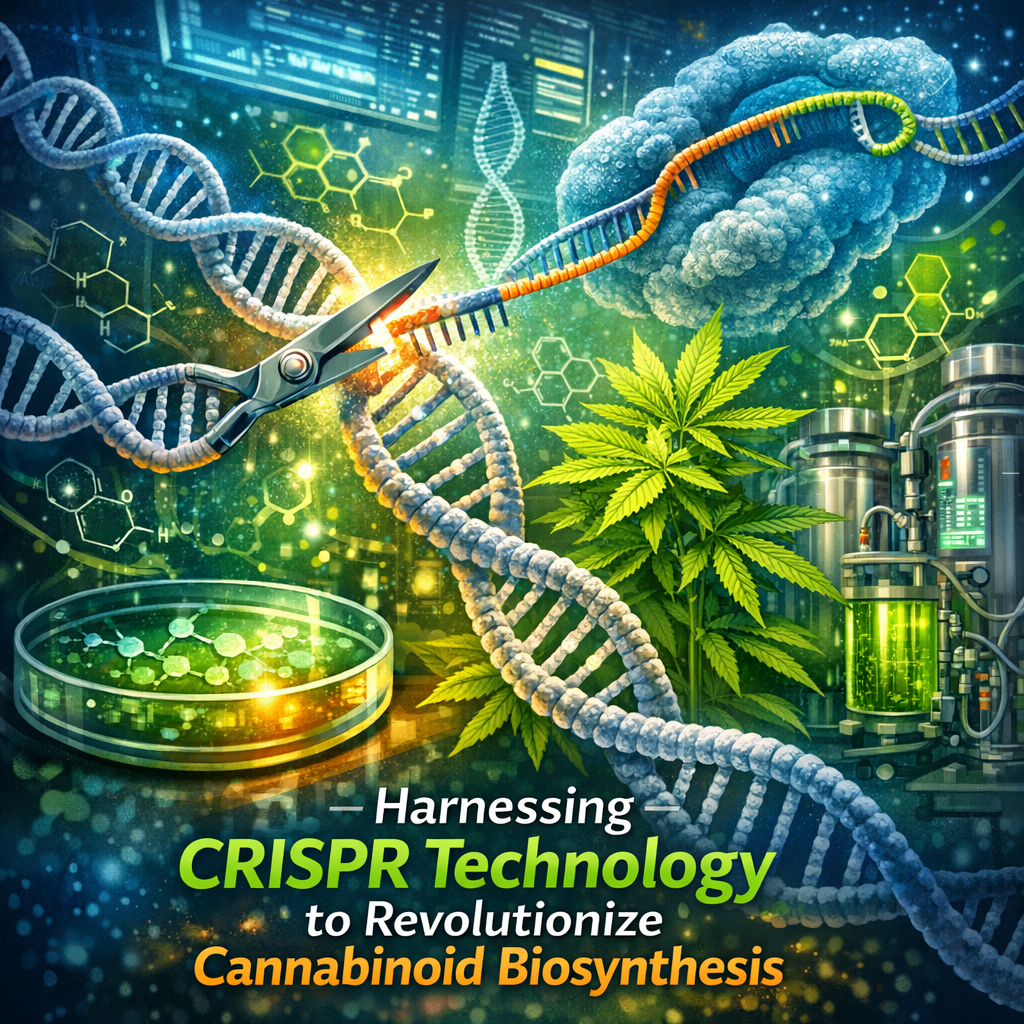
The cannabis industry is undergoing a transformative phase, primarily driven by scientific and technological advancements. A key revolutionary development in this area is CRISPR-Cas9, a gene-editing tool that is set to redefine cannabis cultivation. CRISPR, which stands for Clustered Regularly Interspaced Short Palindromic Repeats, is a naturally occurring mechanism in bacteria that partakes in their immunity against viral intrusions. By harnessing this tool, scientists have unlocked extraordinary possibilities in genetic engineering, allowing for precise DNA alterations to enhance desirable traits in cannabis plants.
The use of CRISPR in cannabis cultivation holds immense promise due to the plant’s complex biology. Cannabis is known to have over 100 cannabinoids, each offering potential therapeutic benefits. Traditional breeding methods are often slow and unpredictable, but CRISPR can potentially accelerate these processes by precisely enhancing or silencing selected genes. This ensures plants thrive under various conditions and produce higher yields of targeted compounds. Such precise breeding methods could revolutionize the development of strains, increasing the production of specific cannabinoids such as THC, CBD, or rarer ones like CBG.
CRISPR also allows for deeper exploration into the plant’s resistance to pests and environmental stressors, crucial for optimal growth and productivity. Genetic alterations could lead to strains that require fewer pesticides, are drought-resistant, or have greater disease resistance. The rapid adoption of CRISPR technology in cannabis cultivation heralds a new era in agricultural biotechnology, where efficiency and genetic purity align with the cannabis culture’s demands for innovation and quality.
Features
Numerous studies show the potential of CRISPR in cannabis cultivation and genetic engineering. A study published in [_Plant Physiology_](https://doi.org/10.1104/pp.18.01438) demonstrated the use of CRISPR to alter genes linked to cannabinoid production. Researchers successfully edited genes influencing the biosynthesis of CBD and THC, setting a precedent for producing strains with custom profiles for medicinal and commercial purposes.
In another study from [_Frontiers in Plant Science_](https://doi.org/10.3389/fpls.2020.00405), scientists examined CRISPR’s application in enhancing plant resistance to fungal pathogens. The research showcased modifications to specific resistance genes in cannabis, minimizing the impact of fungal infections such as powdery mildew. This advancement allows cultivators to grow healthier plants without relying on chemical fungicides, promoting sustainable cultivation practices.
CRISPR’s potential extends beyond site-specific editing, encompassing larger genome projects. A groundbreaking effort by bioengineers at the University of California, Berkeley altered terpene production pathways in cannabis, modifying plants’ aroma and flavor profiles. These innovations cater to consumer preferences and niche markets seeking specific sensory experiences, marking a crucial step for cannabis marketing and strain differentiation. (Source: [_Nature Communications_](https://www.nature.com/articles/s41467-021-21945-9))
Ethical considerations surrounding CRISPR are critical. As with any biotechnological advancement, it raises concerns about genetic diversity and potential unintended consequences. However, the consensus among experts is that with careful regulation and oversight, CRISPR’s integration into cannabis cultivation could bring about a paradigm shift similar to GMOs but with higher granularity and safer outcomes.
Conclusion
CRISPR’s involvement in cannabis cultivation marks a significant leap toward precision in plant breeding. By enabling targeted enhancement of desirable traits and robust responses to environmental challenges, gene editing opens new possibilities for creating strains that meet both commercial and medicinal needs. The potential for innovation is vast, and as the cannabis industry continues to embrace scientific progress, CRISPR could soon become essential in the toolkit of modern cannabis cultivators. With ongoing research and ethical application, CRISPR promises a more productive and sustainable future for cannabis cultivation.
Concise Summary
CRISPR-Cas9, a powerful gene-editing tool, is revolutionizing cannabis cultivation by allowing precise genetic modifications. This facilitates accelerated breeding for specific traits, such as increased production of cannabinoids like THC and CBD. CRISPR also enhances pest resistance and stress tolerance, potentially reducing the need for pesticides. Studies highlight the capacity of CRISPR to customize chemical profiles and bolster disease resistance, advancing sustainable and efficient cultivation practices. While ethical concerns exist, with proper regulation, CRISPR technology could significantly enhance the cannabis industry’s innovation and quality, promoting a more sustainable cultivation future.