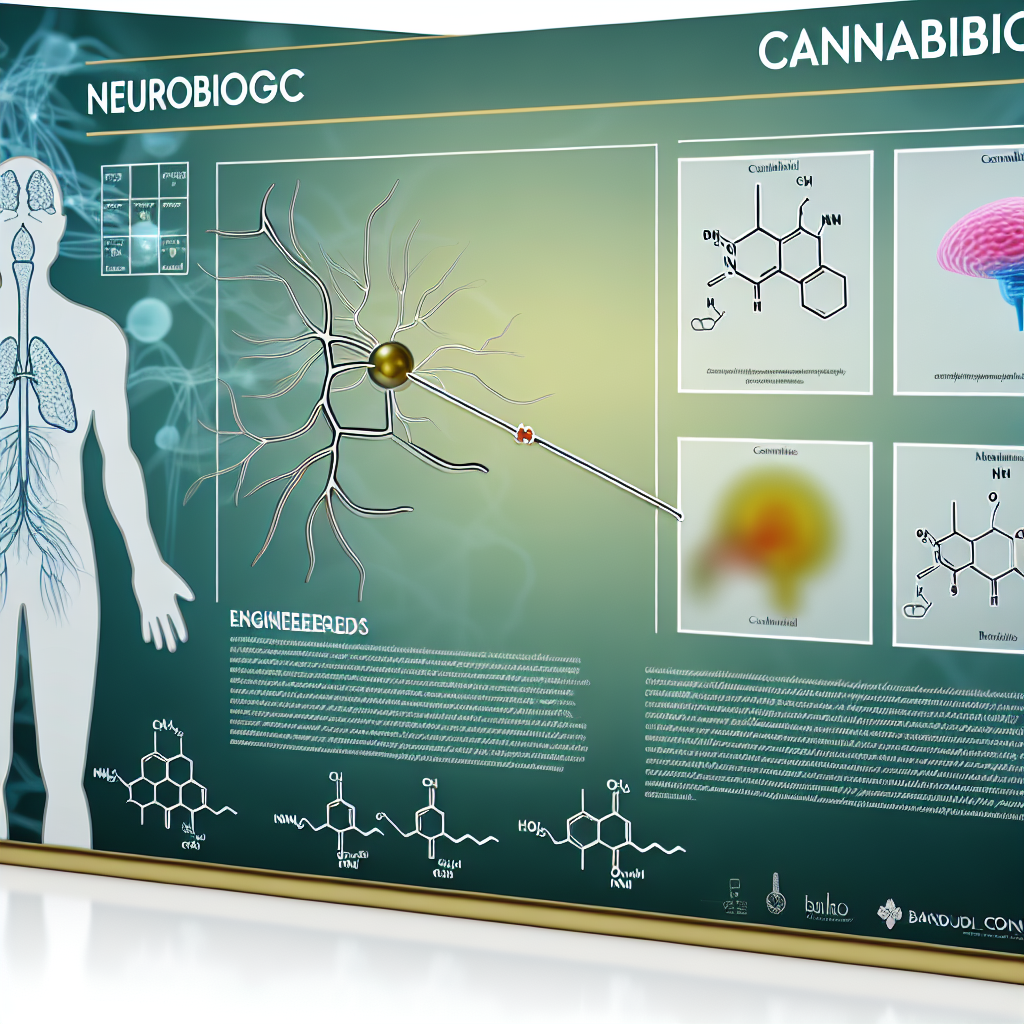
Hacking Cannabis Neurobiology: Engineering Custom Cannabinoid Profiles for Personalized Medical Treatments
Introduction
As the world embraces cannabis for its medical potential, interest grows in the neurobiology behind its effects and how to fine-tune these for individual conditions. Cannabis is a complex blend of cannabinoids, each interacting differently with the human endocannabinoid system (ECS), which regulates mood, appetite, pain, and immune response. The potential to engineer custom cannabinoid profiles offers transformative possibilities for personalized medical treatments. By understanding cannabinoid and terpene interactions, scientists aim to create bespoke cannabis-based treatments with higher efficacy and fewer side effects.
Advancements in technology and genetics provide a path towards developing these personalized treatments. Access to genomic data enables researchers to analyze genetic variances affecting individual responses to cannabinoids. This approach ensures cannabis interventions are both effective and safe, acknowledging unique neurobiological differences. The legal cannabis industry is adopting advanced cultivation techniques and biotechnology to grow strains with specific cannabinoid concentrations for medical use. This involves manipulating plant genetics and employing precision breeding techniques to develop optimized strains. The future lies in engineering targeted treatments for conditions like chronic pain, epilepsy, anxiety, and cancer, based on individual body chemistry.
Features
Several pivotal studies highlight the potential of engineered cannabinoid profiles for medical treatments. One landmark study led by Dr. Ethan Russo explores the “entourage effect,” suggesting that the full therapeutic potential of cannabis lies in the synergy among its compounds, not just isolated cannabinoids like THC or CBD. This insight supports the idea that tailored combinations of cannabinoids and terpenes can enhance medicinal outcomes [Nature](https://www.nature.com/articles/s41598-018-29499-z).
In addition, genomics studies provide deeper insights. A study in the “Journal of Neurochemistry” examines cannabinoids’ impact on neuroplasticity, revealing that different cannabinoid ratios can lead to varied neurobiological responses. This holds significant implications for conditions such as PTSD, where specific cannabinoid profiles may encourage beneficial brain changes [Journal of Neurochemistry](https://onlinelibrary.wiley.com/doi/full/10.1111/jnc.14620).
Emerging companies in the cannabis industry are developing proprietary technologies to analyze individual genetic makeup and predict optimal cannabinoid profiles for specific patient needs. By using machine learning algorithms alongside genetic data, these companies aim to recommend tailored cannabis treatments. For example, companies like Strain Genie provide genetic testing services and use results to suggest specific strains [Strain Genie](https://www.straininsider.com/strain-genie-review/).
Moreover, clinical research increasingly focuses on lesser-known cannabinoids such as CBN, CBG, and THCV. Although present in smaller amounts, early studies indicate their potential for new treatment applications. For instance, CBG shows promise in managing glaucoma and inflammatory bowel disease, while THCV is investigated for metabolic disorders like type 2 diabetes [NCBI](https://www.ncbi.nlm.nih.gov/pmc/articles/PMC6049153/).
Conclusion
The engineering of custom cannabinoid profiles is a rapidly advancing field at the intersection of neurobiology, genetics, and cannabis science. As research continues to uncover the intricacies of the ECS and cannabinoid interactions, personalized cannabis medicine promises more precise, effective, and safer treatments. By harnessing patients’ unique genetic and biochemical makeup, the era of one-size-fits-all cannabis medicine is giving way to targeted solutions poised to address complex medical challenges. This paradigm shift marks a significant leap toward the future of medical cannabis and personalized healthcare.
Concise Summary
The article explores the field of cannabis neurobiology, emphasizing the potential of engineering custom cannabinoid profiles for personalized medical treatments. It discusses advancements in technology and genetics that enable the development of tailored cannabis treatments based on an individual’s unique neurobiology. Key studies, such as those on the “entourage effect” and genomic insights, highlight the therapeutic potential of specific cannabinoid combinations. Emerging companies utilize genetic analysis and machine learning to recommend optimal cannabis strains for patients. The future of medical cannabis lies in personalized solutions that address diverse conditions like chronic pain, anxiety, and metabolic disorders.