Uncovering Quantum Dots: Revolutionizing Cannabinoid Bioavailability and Enhanced Drug Delivery Systems
Introduction:
Cannabinoids, the bioactive compounds found in cannabis, have immense potential for therapeutic applications in treating various medical conditions, including pain management and epilepsy treatment. However, they face challenges regarding delivery and bioavailability. Traditional delivery methods, like smoking or oral ingestion, cause cannabinoids to undergo metabolic processes that significantly reduce their effectiveness before reaching target sites in the body. This limitation has led scientists to explore innovative technologies for better cannabinoid delivery. Among such advancements is the use of quantum dots.
Quantum dots, or nanoscale semiconductor particles, possess unique optical and electronic properties. Initially used in solar cells, television displays, and medical imaging, quantum dots are now being applied in the pharmaceutical sector. Their tiny size and customizable surface properties allow them to precisely ferry therapeutic compounds. Quantum dots hold promise in cannabinoid delivery for their potential to penetrate biological barriers, ensuring cannabinoids reach their intended molecular targets more efficiently.
This article explores how quantum dots can revolutionize cannabinoid bioavailability. We will examine their mechanisms, potential applications, and the cutting-edge research driving this intersection between nanotechnology and cannabinoid science. By enhancing cannabinoid bioavailability, quantum dots might lead to more effective treatments and open new doors for medical cannabis applications.
Features:
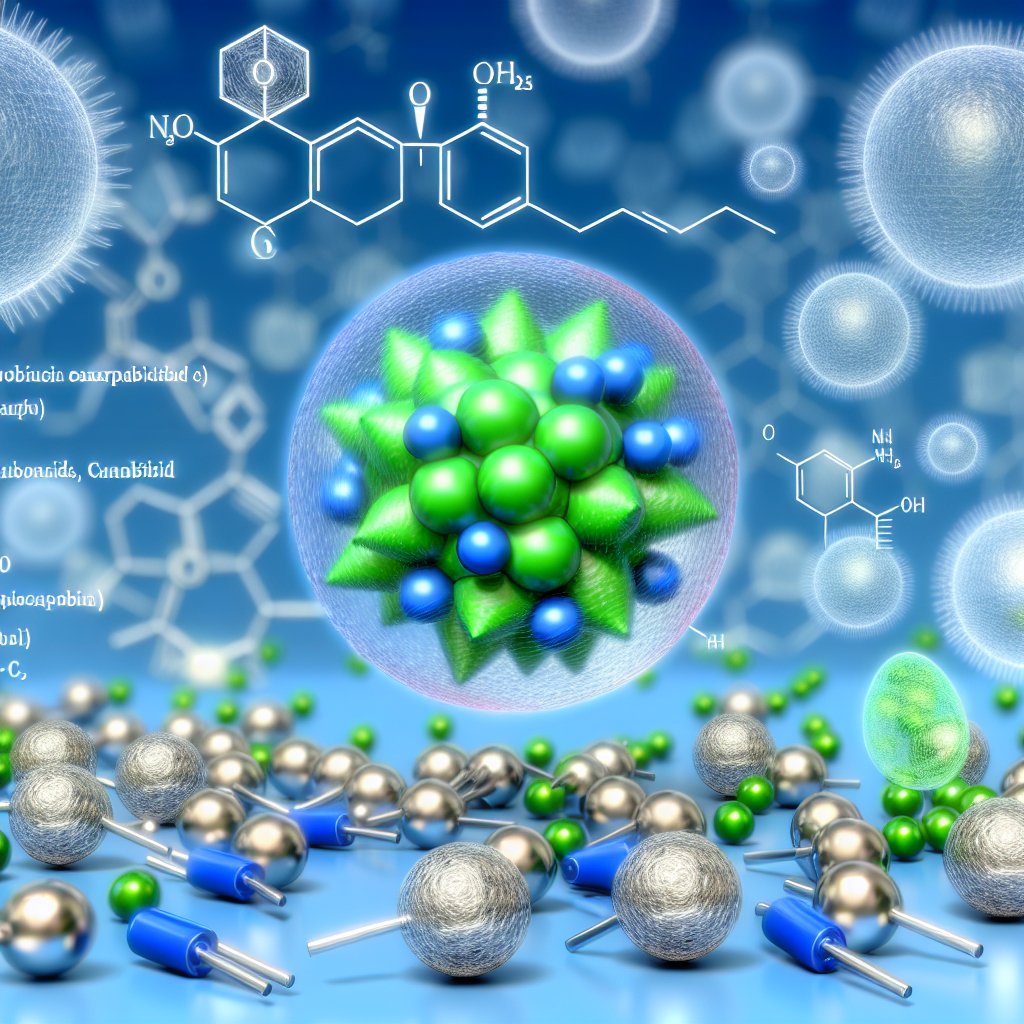
The intersection of quantum dots and cannabinoid delivery is an exciting research frontier. One pivotal study published in the journal [ACS Nano](https://pubs.acs.org/doi/10.1021/acsnano.9b02463) in 2019 demonstrated how quantum dots can improve the solubility and stability of hydrophobic drugs, including cannabinoids like THC and CBD. By encasing cannabinoids in nano-sized quantum dots, researchers could protect these compounds from premature degradation, enhancing their bioavailability upon administration.
Another study, published in [Nanoscale](https://pubs.rsc.org/en/content/articlelanding/2020/nr/c9nr09441a#!divAbstract) in 2020, examined using quantum dots as delivery vehicles for cannabinoids targeting specific physiological processes. The paper outlined how quantum dots could potentially be functionalized to target specific receptors, such as the CB1 and CB2 receptors in the human endocannabinoid system. This specificity increases cannabinoid efficacy and reduces off-target side effects.
Additionally, research in [Pharmaceutical Research](https://link.springer.com/article/10.1007/s11095-021-03009-5) in 2021 offered a comprehensive review of how quantum dots and other nanotechnologies address traditional delivery challenges faced by cannabinoids. The paper discussed quantum dots’ potential to facilitate controlled release mechanisms, which could tailor cannabinoid delivery to align with the body’s circadian rhythms or specific disease progression.
These studies collectively highlight the vast potential for quantum dots as revolutionary vehicles for cannabinoid delivery. By enhancing the solubility, stability, and targeted delivery of cannabinoids, quantum dots may optimize therapeutic efficacy, paving the way for groundbreaking treatments in medical cannabis.
Conclusion:
Quantum dots signify a revolutionary development in drug delivery systems, enhancing cannabinoid bioavailability and therapeutic efficacy. Leveraging their unique optical and electronic properties, these nanoparticles could transform how cannabinoids interact with the human body, leading to more precise and effective treatments. Research progresses continue, and as their capabilities are further elucidated, quantum dots might become pivotal in advancing cannabinoid-based therapeutics. The future of medical cannabis appears promising with quantum dots illuminating the path forward.
Concise Summary:
Quantum dots present a groundbreaking advancement in improving cannabinoid bioavailability. By encapsulating cannabinoids within quantum dots, researchers aim to overcome traditional delivery challenges, enhancing solubility, stability, and targeted delivery to specific receptors like CB1 and CB2. This could lead to more effective therapeutic applications and reduced side effects. As research progresses, quantum dots are poised to become essential in cannabinoid-based therapeutics, transforming medical cannabis applications.