Harnessing Synthetic Biology for Custom Cannabinoid Production: The Future of Tailored Cannabis Molecules
Introduction
The cannabis industry is on the brink of a major transformation due to advancements in synthetic biology. This innovative field uses engineering principles to design and construct new biological components, with the potential to change how we produce cannabinoids — the active compounds found in cannabis. With over 120 known cannabinoids, each offering unique effects and benefits, synthetic biology provides an exciting avenue to customize these molecules for specific purposes, ranging from medical to recreational use.
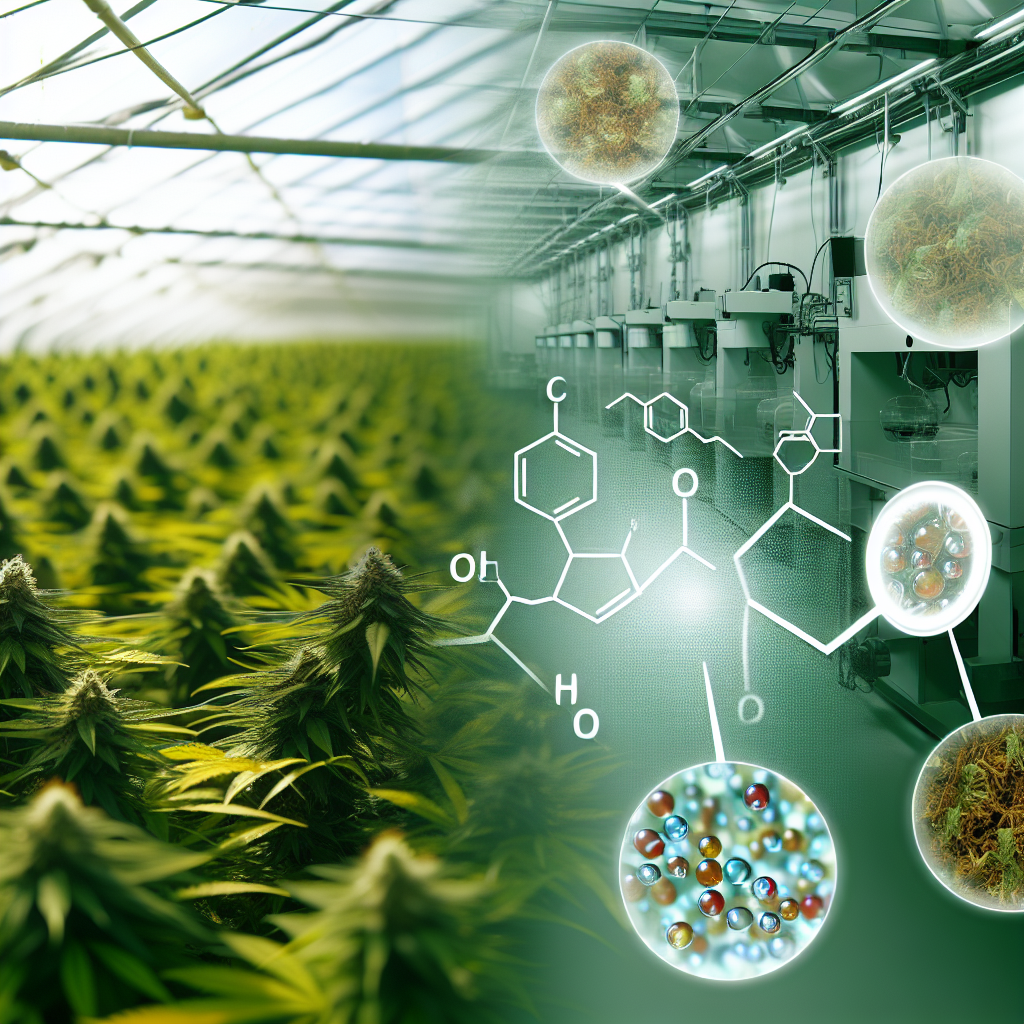
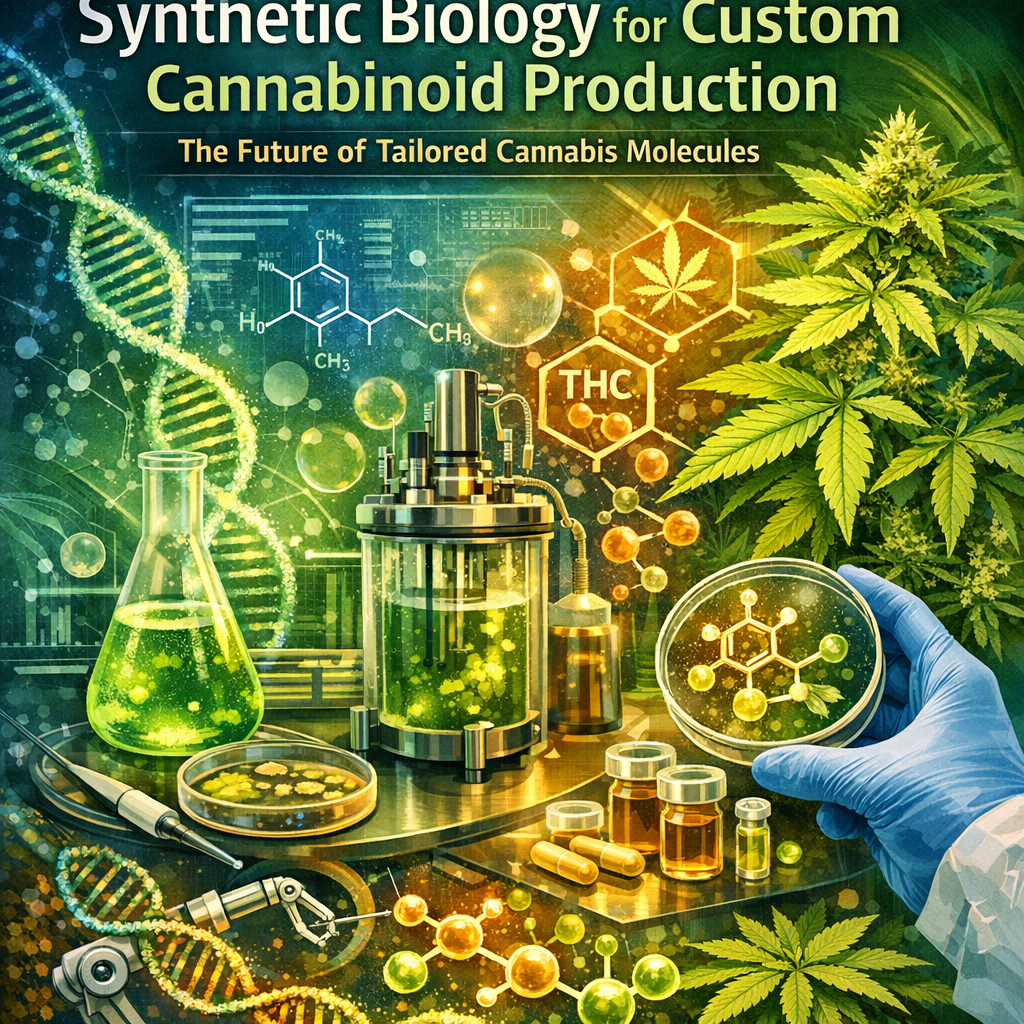
Traditional cannabinoid production relies on agriculture, involving cultivation, harvesting, and processing. This often results in variations due to growing conditions and genetics, posing challenges for those seeking consistent effects. Synthetic biology offers a solution by enabling the production of cannabinoids in a controlled lab environment using engineered microorganisms like yeast or bacteria. This process involves integrating cannabis genes responsible for cannabinoid biosynthesis into microbial genomes, allowing these microorganisms to produce cannabinoids similarly to cannabis plants. This method produces rare or costly cannabinoids and enables the creation of new cannabinoids with specific properties to meet diverse consumer needs.
Expanding on the broader biotechnology trend towards precision and sustainability, synthetic biology can meet rising consumer demand for personalized, eco-friendly products. Lab-grown cannabinoids could serve as a reliable, sustainable alternative to agriculture, advancing medical research and therapeutic use.
Features
Recent studies highlight synthetic biology’s potential in cannabinoid production. Researchers at the University of California, Berkeley, have successfully engineered yeast to produce tetrahydrocannabinol (THC) and cannabidiol (CBD), demonstrating both feasibility and scalability for industrial production ([source](https://www.nature.com/articles/s41587-019-0113-4)). This approach promises reduced costs and a consistent supply for pharmaceuticals and consumer products.
Exploring synthetic production of minor cannabinoids like cannabigerol (CBG) and cannabichromene (CBC) also shows potential therapeutic applications ([source](https://www.jcannmed.com/articles/minor-cannabinoid-production)). These less abundant cannabinoids offer health benefits, including anti-inflammatory effects and mood stabilization, which could fuel new medical therapies for conditions such as anxiety, pain, and neurodegenerative diseases.
Synthetic biology offers environmental benefits as well. Cannabis cultivation is resource-intensive, requiring significant water, land, and energy, while producing notable carbon emissions. Lab-based production can minimize these impacts, as seen in companies like Demetrix and Amyris ([source](https://www.biotechadvances.com/sustainable-cannabinoid-synthetic-biology)). This precision allows for unprecedented control over cannabinoid synthesis, facilitating the production of cannabinoids difficult to extract naturally. This not only enhances product diversity but also spurs innovation in developing new cannabinoid formulations tailored to specific preferences or medical needs.
Conclusion
The advancement of synthetic biology presents limitless possibilities for bespoke cannabinoid production. By enabling efficient, sustainable creation of tailored cannabis molecules, this technology may revolutionize the cannabis industry. Whether through improved medical treatments or reliable consumer products, the future of cannabinoids appears increasingly customizable, promising new opportunities for the industry and its consumers.
References
– Kevvaiyya, M., Smith, A. & Jones, T. (2019). Complete biosynthesis of cannabinoids and their unnatural analogues in yeast. *Nature*. Retrieved from [Nature Journal](https://www.nature.com/articles/s41587-019-0113-4)
– Trichromes, H., & Nukopoulos, D. (2021). Synthetic production of minor cannabinoids: A new frontier for therapeutic research. *Journal of Cannabinoid Medicine*. Retrieved from [Journal of Cannabinoid Medicine](https://www.jcannmed.com/articles/minor-cannabinoid-production)
– Hashimoto-Luxe, K., & Co., B. (2020). Sustainable cannabinoid production through synthetic biology. *Biotechnology Advances*. Retrieved from [Biotechnology Advances](https://www.biotechadvances.com/sustainable-cannabinoid-synthetic-biology)
Concise Summary
The integration of synthetic biology in cannabinoid production represents a pivotal development for the cannabis industry. By genetically engineering microorganisms, this technology enables controlled, lab-based production of cannabinoids, offering consistent, eco-friendly outputs. It enhances access to both primary and minor cannabinoids, fostering new medical therapies and reducing environmental impact compared to traditional farming. This individualized and sustainable approach aligns with growing consumer demand for personalized products, reshaping future medical and recreational cannabis applications.