Harnessing Quantum Biology: The Future of Cannabis Bioengineering for Maximized Outcomes
Introduction:
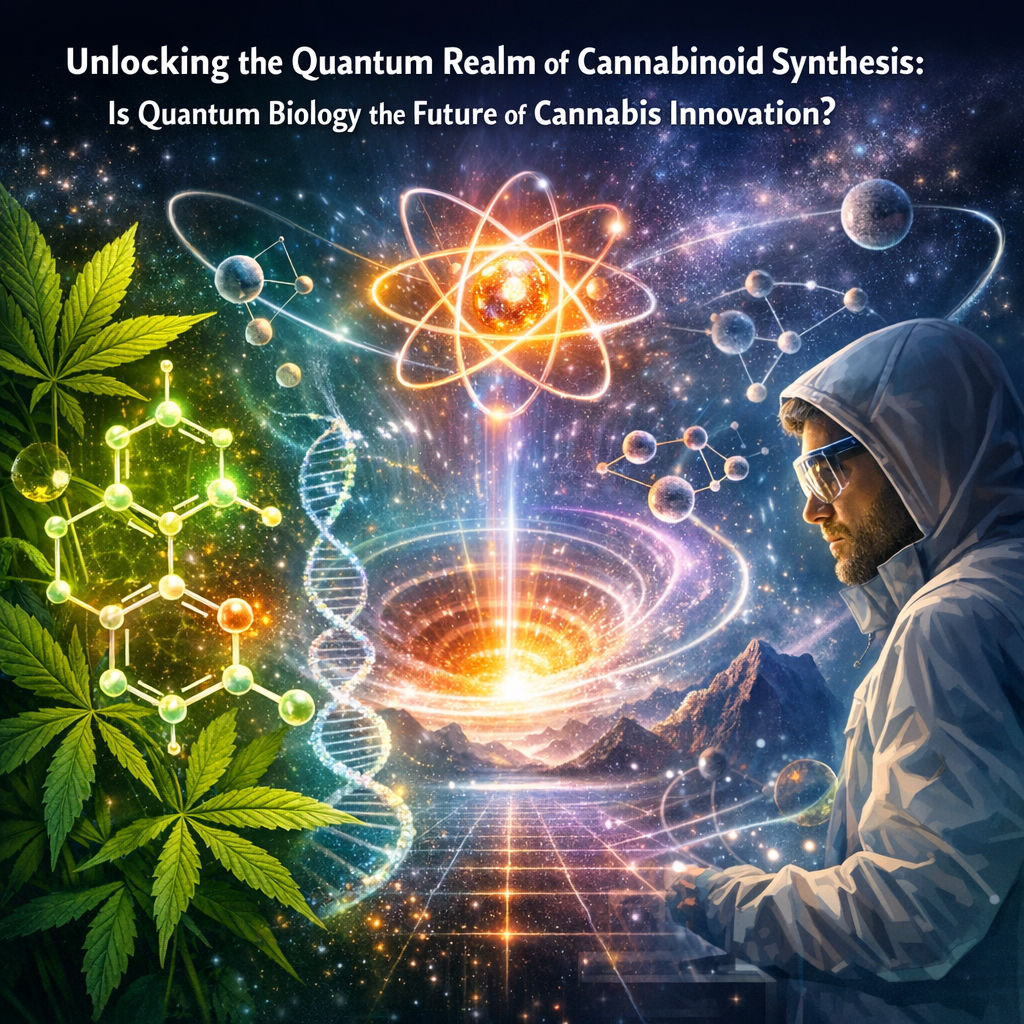
The burgeoning field of quantum biology is gradually illuminating the intricate relationship between biological systems and quantum mechanics. This intersection is beginning to display its potential in various domains, with cannabis bioengineering standing as one of the most compelling. As the cannabis industry continues to evolve and expand, optimizing the therapeutic properties and growth efficiency of the plant through advanced methodologies is garnering significant attention. Quantum biology, with its capacity to explore phenomena such as electron tunneling and quantum entanglement within biological systems, offers groundbreaking opportunities for cannabis bioengineering.
Quantum biology investigates how quantum effects influence cellular processes, including photosynthesis, enzyme activity, and genetic mutations. In the context of cannabis, these insights can lead to revolutionary techniques to enhance yield, potency, and the cannabinoid profile of strains. Traditional bioengineering relies on genetic modification and selective breeding to achieve desired traits in plants. However, quantum mechanics provides a novel lens through which these biological processes can be fundamentally understood and optimized.
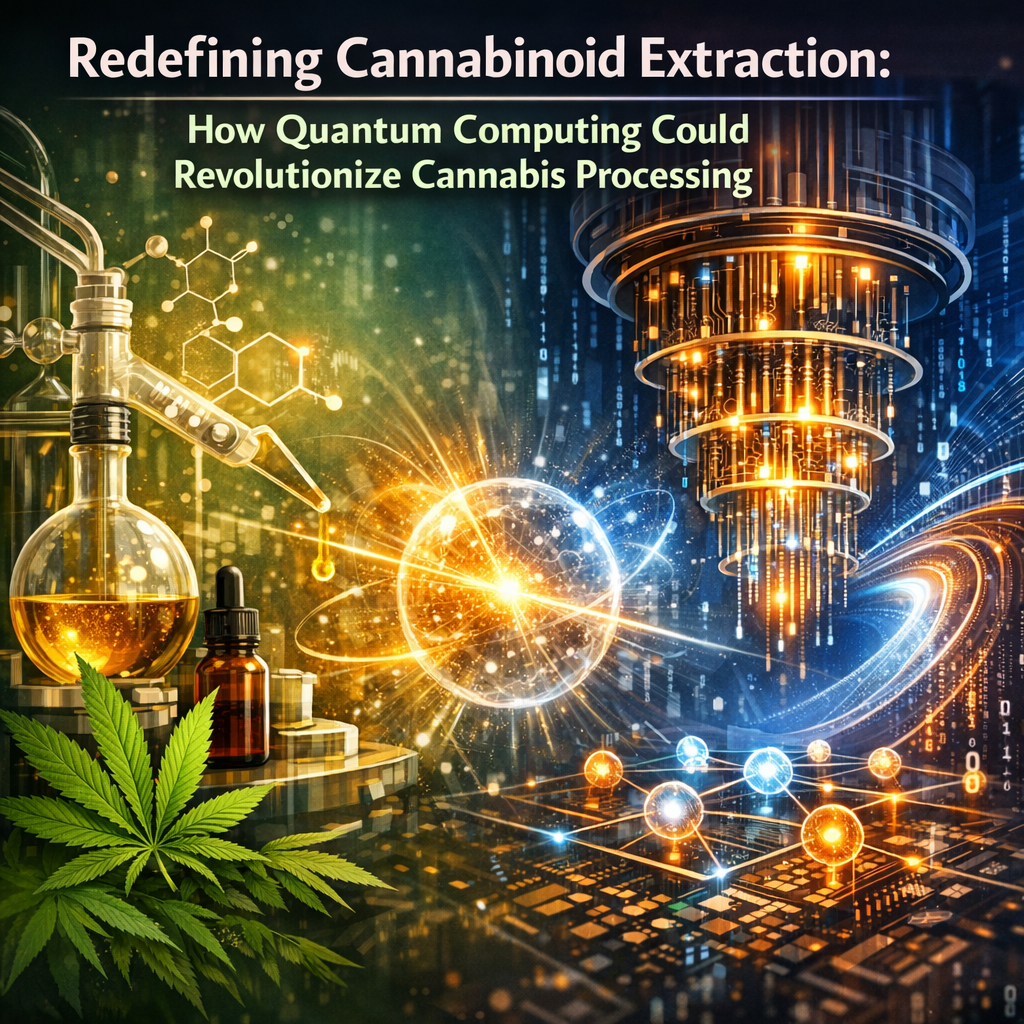
Recent technological advancements have paved the way for researchers to explore the quantum dimensions of biology successfully. These advancements have profound implications for cannabis cultivation. For instance, manipulating quantum processes can lead to more efficient photosynthesis, allowing cannabis plants to harness sunlight more effectively, boosting growth rate, and possibly enhancing stress resistance. Additionally, understanding the quantum mechanics of enzyme functions involved in cannabinoid synthesis could enable the precise modulation of THC and CBD levels, catering to specific medical needs and consumer preferences.
Quantum biology not only promises enhanced efficiency and potency; it also encompasses the potential for environmentally sustainable cannabis production. By optimizing photosynthetic pathways and cellular energy usage at the quantum level, it may be possible to reduce resource consumption significantly, crafting a more sustainable cultivation process.
Features:
Several professional and medical studies have paved the way to understanding how quantum processes govern biological mechanisms which could be applied in cannabis bioengineering. For instance, the phenomenon where electrons in photosynthetic systems exploit quantum coherence to optimize energy transfer is extensively researched. A study published in [*Nature Communications*](https://www.nature.com/articles/ncomms10425) highlighted how quantum coherence in photosynthesis allows for optimal use of light energy. When adapted to cannabis, this could enhance photosynthetic efficiency and plant growth.
Furthermore, quantum tunneling, a process whereby subatomic particles pass through potential barriers, is being explored in biological systems. This principle could revolutionize how nutrients and water are absorbed at the root level, making cannabis cultivation more efficient, as evidenced by research from the [*Journal of Physical Chemistry Letters*](https://pubs.acs.org/doi/full/10.1021/acs.jpclett.9b03650).
Additionally, the role of quantum mechanics in enzyme activity is another burgeoning area of research. Enzymes responsible for cannabinoid synthesis might be influenced at the quantum level, allowing precise control over cannabinoid profiles in cannabis plants. A review in [*Annual Review of Biophysics*](https://www.annualreviews.org/doi/abs/10.1146/annurev-biophys-070816-033843) discusses how enzyme kinetics and electron transfers are topics of interest to understand these biochemical processes from a quantum perspective, potentially applicable in the selective breeding of cannabis strains.
Quantum biology’s ability to address the challenges of genetic variability and environmental stress resilience, through a detailed understanding of quantum genetic mutations, holds promise for cannabis industry professionals seeking to create robust, adaptable strains.
Conclusion:
The convergence of quantum biology and cannabis bioengineering represents a profound frontier in agricultural science. By unlocking the quantum secrets within biological systems, researchers are poised to revolutionize cannabis cultivation. This transformation promises not only enhanced therapeutic profiles and cultivation efficiency but also a sustainable future for this invaluable plant. As research unfolds, the synergistic relationship between quantum mechanics and biology continues to transform the cannabis industry, heralding a new era of scientific innovation.
Concise Summary:
The integration of quantum biology with cannabis bioengineering is paving the way for revolutionary advancements in agriculture. By exploring quantum mechanics principles such as electron tunneling and quantum entanglement, researchers aim to optimize photosynthesis, improve cannabinoid synthesis, and enhance stress resilience in cannabis. These insights promise to improve yield, potency, and efficiency, while also promoting sustainable cultivation by reducing resource usage. With continued research, the fusion of quantum biology and cannabis technology stands to transform the industry, offering advanced therapeutic possibilities and a greener future.