The Quantum Entanglement of Cannabinoids: Redefining Plant Intelligence with AI
Introduction
Throughout history, humans have been fascinated by the mysterious world of plants, particularly their potential to affect mind and body. Among these botanical wonders, cannabis stands out for its promise in modern medicine. With over 100 identified cannabinoids, this plant presents a complex yet fascinating biochemical puzzle. Artificial intelligence (AI) offers revolutionary pathways in the exploration of plant intelligence.
Quantum entanglement, a phenomenon where particles become interconnected such that the state of one can instantly influence the state of another, provides a new lens to view cannabis. In the world of cannabinoids, compounds work synergistically to create the ‘entourage effect’, where the whole is greater than the sum of its parts. This complex interplay mimics quantum entanglement, suggesting a sophisticated level of plant intelligence.
AI, with its ability to process immense datasets and identify patterns, is redefining cannabis research. Through machine learning models and computational biology, AI decodes the genetic and chemical compositions of cannabis in unprecedented ways. By simulating the plant’s biosynthesis pathways, researchers predict the therapeutic potential of emerging cannabinoids.
As the cannabis industry grows, so does the demand for specific strains to treat distinct ailments. Through AI and quantum theories, we move closer to understanding the full potential of cannabinoids and engineering superior strains targeted for medicinal use. This integration opens opportunities for personalized medicine, allowing for effective pairing of cannabinoid profiles with patient needs. The question arises: How can AI and quantum concepts further illuminate the untapped capabilities of cannabinoids?
Features
The intersection of AI and cannabis research has yielded insights into cannabinoid interactions and therapeutic potentials. A pivotal study published in [Nature](https://www.nature.com/articles/s41587-019-0010-0) revealed the complexities of cannabinoid biosynthesis pathways, showing how AI can predict variations based on genetic and environmental factors. These models enhance our understanding and facilitate the targeted breeding of cannabis plants.
Clinical studies emphasize the therapeutic promise of cannabinoids like CBD and THC. Research published in the [Journal of Clinical Investigation](https://www.jci.org/articles/view/94081) highlights CBD’s anti-inflammatory effects, while studies in the [European Journal of Pain](https://onlinelibrary.wiley.com/doi/abs/10.1002/ejp.1345) underscore its efficacy in pain management, especially when optimized by AI algorithms.
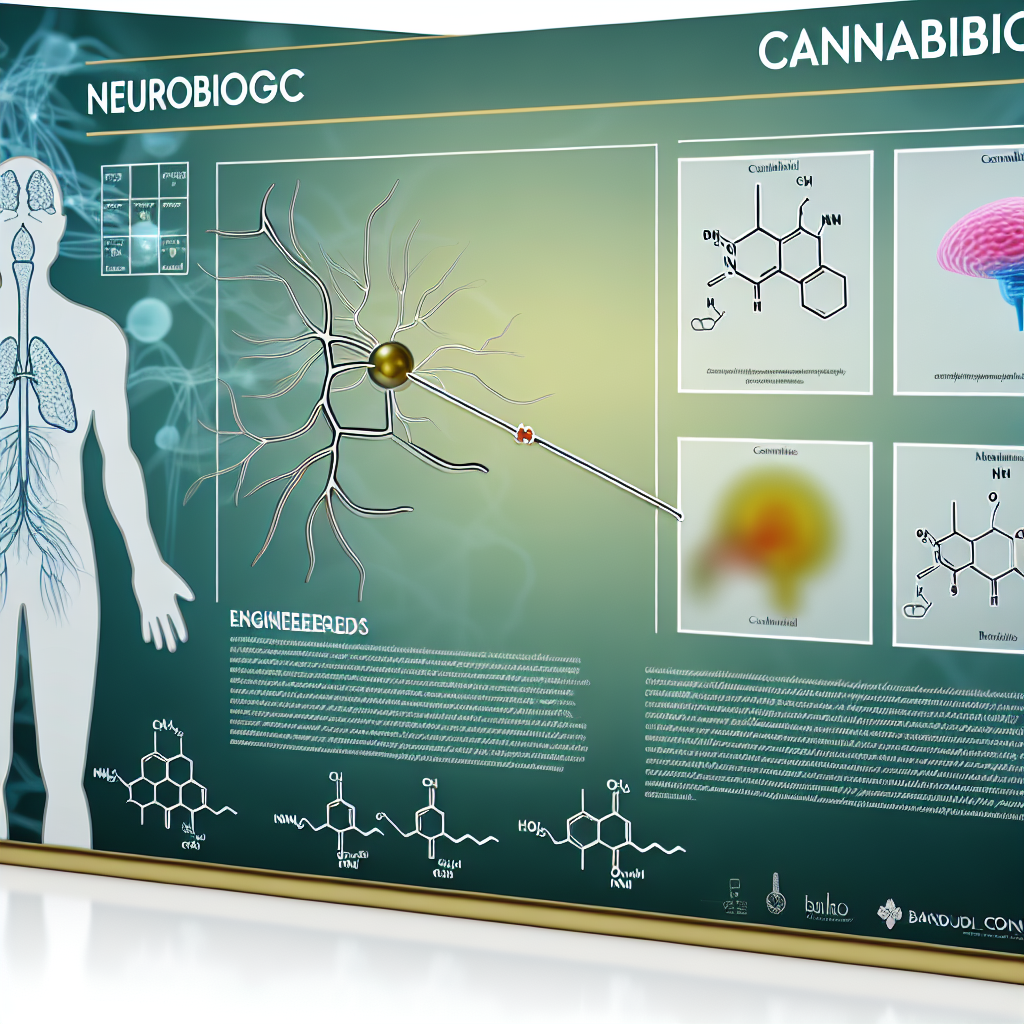
Beyond THC and CBD, AI enables exploration of lesser-known cannabinoids such as CBG and CBN. Computational predictions suggest these compounds may treat neurodegenerative disorders or promote sleep. By simulating drug interactions, AI accelerates the development of cannabinoid-based therapies.
Moreover, AI’s role in analyzing consumer data offers unprecedented insights into user experience and preference. Advanced analytics assess variables like age and lifestyle, tailoring cannabis products to consumer profiles. This personalization enhances therapeutic efficacy and minimizes adverse effects.
This fusion of quantum theory and AI in cannabinoids introduces a paradigm shift in scientific inquiry and practical application. The synergy lays the groundwork for AI and cannabinoids to unlock next-generation therapies and plant-based innovations.
Conclusion
As we stand on the brink of translating visionary theories into medical realities, the integration of quantum principles and AI signifies a transformative era in plant science. Cannabinoids’ potential in global health solutions—and AI’s role—represents an exciting frontier. Exploring these intersections may redefine how we understand and harness plant intelligence for humanity’s benefit.
Concise Summary
This article explores the promising intersection of quantum entanglement, AI, and cannabinoids, particularly focusing on cannabis. It discusses how AI is revolutionizing our understanding of cannabis by decoding its genetic and chemical makeup, facilitating the development of targeted strains and personalized medicine. The combination of AI’s immense data-processing capabilities and quantum theories is unlocking new therapeutic possibilities for cannabinoids like CBD and THC. As this synergy advances, it sets the stage for next-generation plant-based innovations and therapies, offering exciting potential for future global health solutions.