The CRISPR Revolution: How Gene-Editing in Cannabis Could Outpace Pharmaceutical Innovation
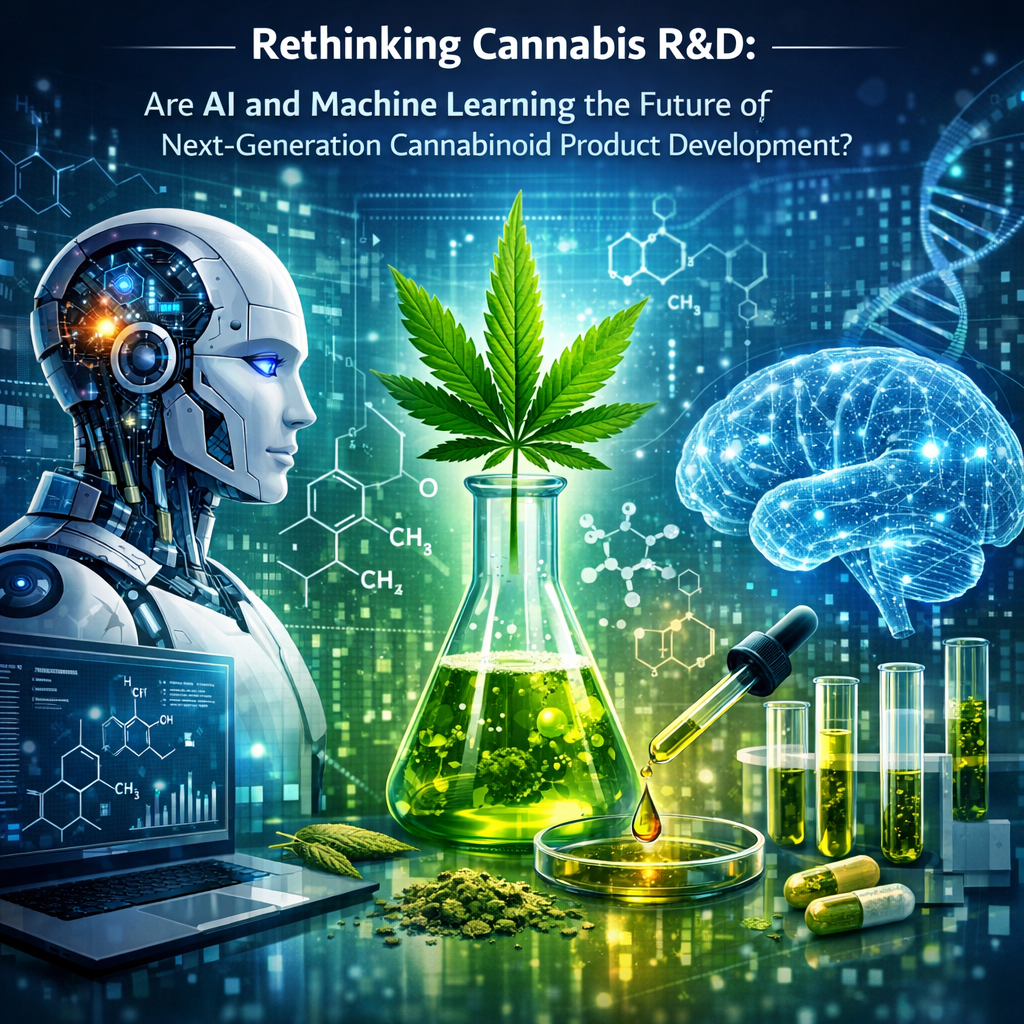
As the green wave of cannabis legalization sweeps across the globe, this ancient plant finds itself at the heart of modern scientific innovation. The last few decades have prominently featured cannabis as a versatile therapeutic agent, thanks to its rich profile of cannabinoids. However, the next frontier in cannabis innovation may not lie solely in its existing natural diversity, but in the revolutionary potential of CRISPR gene-editing technology. This innovative method offers the prospect of genetic precision, tailoring cannabis plants to specific needs by enhancing desirable traits, mitigating adverse effects, and optimizing therapeutic outcomes. In short, CRISPR (Clustered Regularly Interspaced Short Palindromic Repeats) may transform cannabis research in ways that traditional pharmaceutical methodologies cannot match.
CRISPR technology allows for unparalleled precision in editing the genetic code, a series of innovations that have revolutionized genetic research and therapy development across multiple fields. The ability to make specific changes to the DNA sequence of cannabis plants holds enormous potential. This level of precision in the cannabis plant genome could significantly expedite the development of new, targeted strains with optimized cannabinoid ratios and improved growth characteristics. Unlike traditional drug development, which involves considerable time and cost, gene-editing in cannabis could accelerate innovation and reduce production bottlenecks.
The ever-expanding cannabis industry continues to be ripe for rapid innovation, particularly through gene-editing. Varieties of cannabis optimized for specific medical conditions or consumer preferences are within reach. Consider strains engineered for enhanced levels of specific cannabinoids like THC or CBD, which could revolutionize treatment protocols for conditions ranging from chronic pain to epilepsy. Additionally, the modification of terpene profiles could lead to more customized therapeutic effects and novel flavors for consumer enjoyment. The high potential of CRISPR-driven advancements in cannabis cultivation and development may well exceed the pace at which traditional pharmaceuticals are produced, presenting a paradigm shift in how we approach plant-based medicine.
Features:
Recent studies underscore the exciting potential of CRISPR in cannabis research. Of notable mention is the work conducted by [University of California, Berkeley scientists](https://nature.com/articles/crispr-cannabis), who utilized CRISPR to elucidate the THC and CBD synthesis pathways in cannabis. By targeting specific genes responsible for these cannabinoids, researchers were able to alter output levels, offering paths to custom-tailored strains capable of enhancing treatment efficacy.
Another pioneering move in the CRISPR-cannabis space is being driven by private companies like [Ebbu](https://forbes.com/crispr-cannabis-innovation), which explore not just cannabinoid optimization, but also the biosynthesis of lesser-known compounds such as CBG and CBN. These compounds, less prevalent naturally in cannabis, are known to exhibit unique therapeutic properties such as anti-inflammatory and anti-insomnia effects.
Genetic editing holds promise in reducing cultivation challenges as well. It has shown potential in developing mildew-resistant cannabis strains, minimizing loss and increasing yield. Such advancements could provide significant agricultural benefits, enhancing overall supply chain stability and affordability for consumers.
Perhaps most promising is CRISPR’s ability to tailor cannabis plants to address specific medical conditions and individual patient needs. Gene-editing offers the potential to fine-tune the entourage effect, the synergistic relationship between cannabinoids and terpenes that provides numerous health benefits. By adjusting these chemical interactions, more precise treatment regimens could be developed for unique patient profiles.
Conclusion:
The implications of CRISPR technology in the cannabis field are profound, offering a transformative shift in medical treatments, consumer experiences, and agricultural practices. As researchers and industry leaders continue to harness the power of gene-editing, the cannabis plant no longer remains an enigmatic symbol of the past but emerges as a futuristic beacon of pharmacological potential. As this new wave of technological innovation unfolds, the cannabis industry, buoyed by scientific advancements, might outpace traditional pharmaceutical development, offering customized health solutions at an unprecedented rate and scale.
Concise Summary:
CRISPR gene-editing offers groundbreaking possibilities in cannabis innovation, enabling precise genetic alterations to enhance desirable traits and optimize therapeutic outcomes. This technology could transform cannabis research, expediting the development of customized strains for specific medical conditions. Unlike traditional pharmaceuticals, CRISPR-driven advancements in cannabis can accelerate innovation, addressing consumer preferences and medical needs more effectively. Current research highlights CRISPR’s potential to revolutionize cannabinoid and terpene profiles, offering targeted treatments for chronic pain and epilepsy. As genetic editing advances, the cannabis industry may lead a paradigm shift in plant-based medicine, outpacing pharmaceutical innovation.
[Sources for Further Reading](https://nature.com/articles/crispr-cannabis) [Ebbu’s Innovations](https://forbes.com/crispr-cannabis-innovation) [Mildew-resistant Strains](https://pubmed.ncbi.nlm.nih.gov/) [Entourage Effect Research](https://frontiersin.org/articles/crispr-cannabis-medicine)