Synthetic Biology’s Role in Designing the Next Generation of Cannabis: Beyond Traditional Cultivation Methods
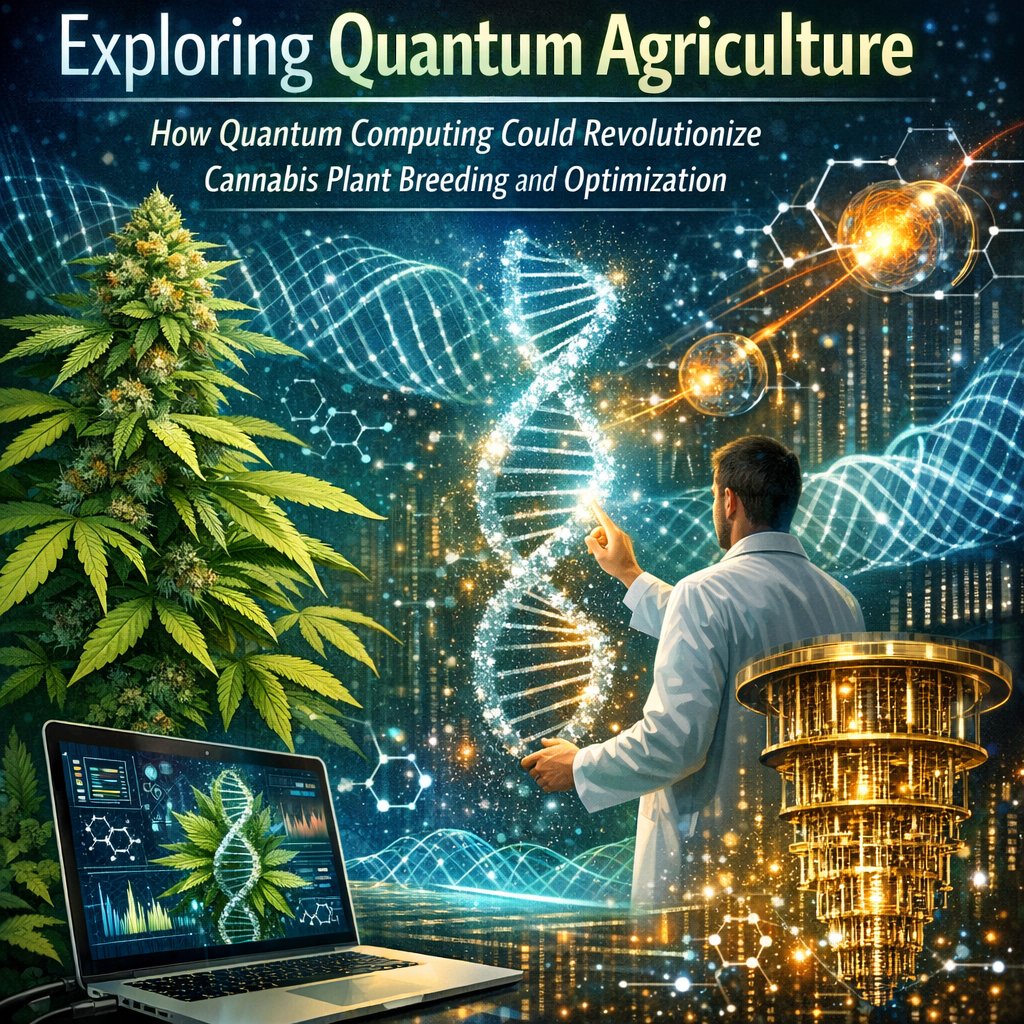
As the cannabis industry expands globally, advanced scientific methods are gaining traction to enhance both cultivation and production processes. Synthetic biology, a revolutionary discipline that blends engineering, biology, and computer science, is one such frontier. By reprogramming the DNA of organisms, synthetic biology offers potential beyond traditional cultivation methods, enabling the design of cannabis strains with tailored properties and specialized applications.
The traditional methods of cannabis cultivation, involving selective breeding for desired traits, have been the cornerstone for decades. However, these methods are time-consuming and limited by inherent genetic variability. Synthetic biology allows for precise genetic manipulation, enabling scientists to develop cannabis strains with specific cannabinoid and terpene profiles. This opens avenues for strains customized for targeted medical treatments, enhanced recreational experiences, or industrial applications, such as more sustainable biofuels and bioplastics.
Synthetic biology could also revolutionize the production of rare cannabinoids, present only in trace amounts in natural cannabis plants. Compounds like THCV, CBG, and CBN are highly sought for their unique properties, but traditional extraction is inefficient. By inserting biosynthetic genes into microbial hosts, researchers can create microbial factories that produce these cannabinoids at scale, promising sustainability and cost-effectiveness, thus making them more accessible to consumers.
One pioneering effort is the work of companies like Demetrix and Amyris, which leverage synthetic biology to commercialize cannabinoids and terpenes via yeast-based fermentation processes. These innovations mirror the pharmaceutical industry’s use of biotechnology to produce complex molecules.
Features
Numerous studies highlight synthetic biology’s potential to transform the cannabis industry. A 2021 study in Nature Communications demonstrated the engineering of yeast strains capable of producing cannabinoids like CBGA and THCA. These experiments not only demonstrated the feasibility of biosynthesizing cannabinoids in yeast but also the potential for creating novel cannabinoid derivatives that are difficult to obtain from the cannabis plant itself. This underscores synthetic biology’s role in expanding the repertoire of therapeutic compounds available for medical research, offering new possibilities for treating conditions such as epilepsy, chronic pain, and anxiety.
Additionally, a review in the Journal of Cannabis Research highlights advances in genomic tools accelerating cannabis bioengineering. Tools like CRISPR-Cas9 gene editing facilitate targeted genetic modifications, providing meticulous control over the plant’s genetic makeup. The review concludes that these tools could lead to cannabis strains with optimized properties like enhanced pest resistance, increased yield, or altered chemical profiles tailored to consumer needs or therapeutic applications.
Furthermore, collaborations between academia and industry, such as the University of California, Berkeley’s partnerships with synthetic biology startups, aim to create biofactories producing not only cannabinoids but also other plant-derived materials. This effort provides a greener alternative to synthetic production methods often reliant on petroleum-based processes.
The National Institute on Drug Abuse (NIDA) emphasizes advanced research in understanding cannabis and its compounds’ broader impacts. By supporting studies that apply synthetic biology to cannabis research, NIDA aims to provide comprehensive insights into cannabinoids’ therapeutic potentials, influencing clinical guidelines and patient treatments.
Conclusion
As synthetic biology continues redefining cannabis cultivation and production, it promises to revolutionize the industry by introducing precision, sustainability, and innovation in strain development and cannabinoid production. This transformative approach enhances cannabis cultivation and positions scientists and professionals at the forefront of an evolving frontier, shaping a future where cannabis transcends traditional boundaries, offering limitless possibilities.
References
1. [Nature Communications. Engineering Yeast for Cannabinoid Biosynthesis](https://www.nature.com/articles/s41467-021-23028-8)
2. [Journal of Cannabis Research. Genomic Advances in Cannabis Bioengineering](https://jcannabisresearch.biomedcentral.com/)
3. [National Institute on Drug Abuse. Cannabis and Cannabinoids Research](https://nida.nih.gov/publications/cannabis-research)
Concise Summary: Synthetic biology is poised to revolutionize cannabis cultivation and production by allowing for precise genetic manipulation, enabling the design of strains with tailored properties. This approach surpasses traditional methods, making rare cannabinoids more accessible. Pioneering efforts by companies like Demetrix and Amyris showcase commercial applications, while studies highlight potential medical benefits. Advanced genomics and collaborations between academia and industry further position synthetic biology at the forefront of innovation in the cannabis industry, promising a more sustainable future.